
A City of Houses: The Enduring Legacy of New York’s Brownstones
Author: William Richards, Ph.D.
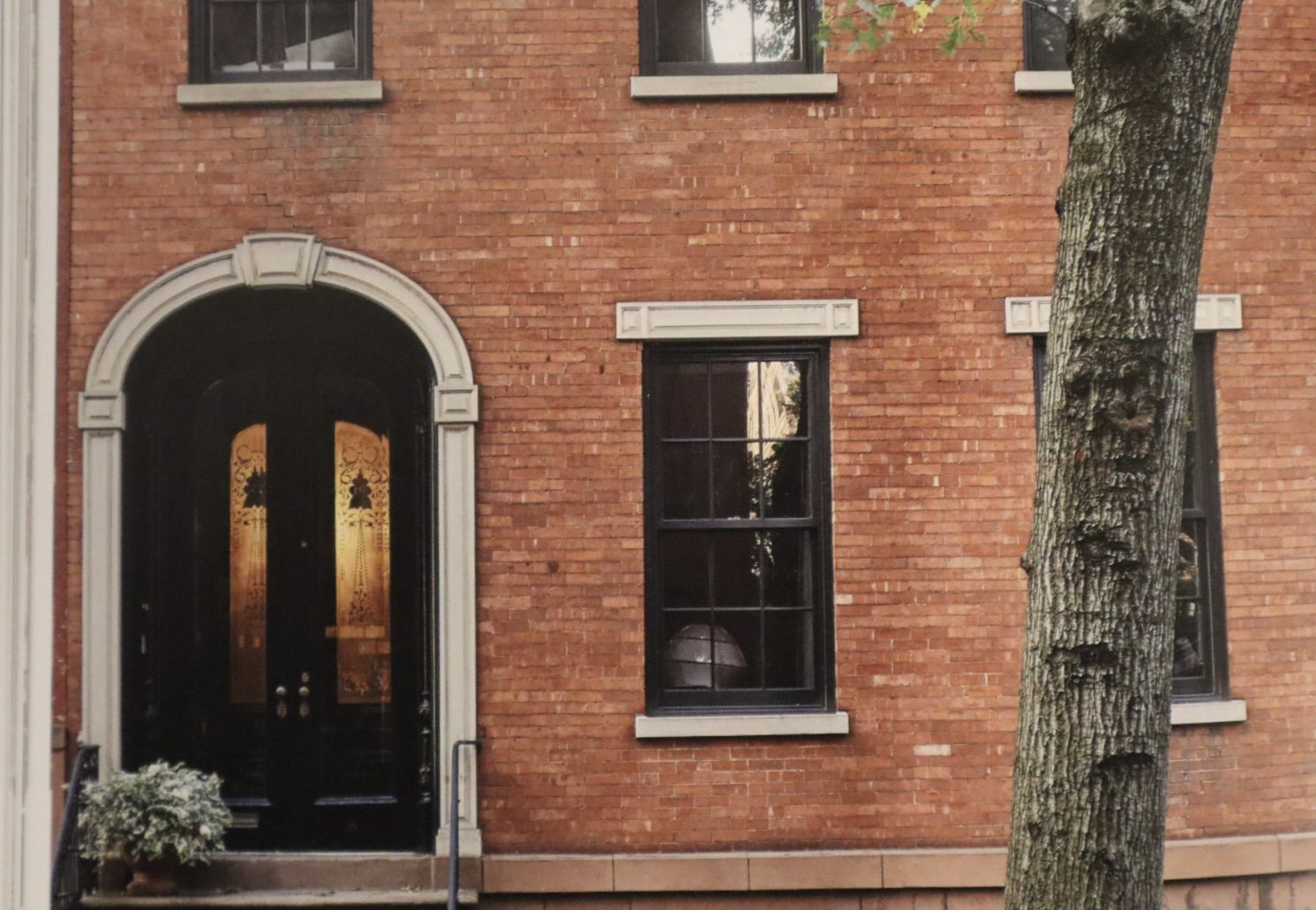
New York is a city of skyscrapers, apartment towers, and extraordinary density, and brownstones have shaped the city’s architectural identity for nearly two centuries. Their survival tells a story not only of changing architectural styles, but also of shifting ideas about domestic life, urban growth, and the value of historic buildings. That story was recently the focus of “A City of Houses: The New York Brownstone, Past, Present, and Future,” a program presented by the Institute of Classical Architecture & Art (ICAA) and the Jenrette Foundation as part of the Richard H. Jenrette Lecture Series on October 14 at the General Society Library in New York. Preservationist Patrick W. Ciccone, co-author of Bricks & Brownstone: The New York Row House, explored the history of this enduring building type and its place in the evolving city.
In the 19th century, as New York expanded northward and Brooklyn developed into a major urban center, the row house offered a practical and marketable model for residential growth. Built in continuous lines along narrow lots, their façades, stoops, doorways, cornices, and ironwork also gave individual streets a distinctive architectural character, with variations in ornament reflecting successive generations of taste and building practice. Yet the popularity of the single-family house contained a fundamental contradiction. “Early in the life of the city in the 1830s,” says Ciccone, “land values were such that it became impossible to build homes for the middle class. Despite that, the predominant form of middle class housing for the 19th century is the single-family home—and we all know this isn’t the most efficient way to house people in such a dense city.”
Ciccone is a New York City-based historic preservationist and real estate development consultant specializing in the use of incentives for historic buildings who has worked on major historic rehabilitation projects in Manhattan, Brooklyn, upstate New York, and Pennsylvania. He also serves as chair of the board of trustees of the Preservation League of New York State. The tension between density and domesticity, he says, helps explain the remarkable adaptability of the New York row house. Many buildings originally constructed for individual families were later subdivided into multiple apartments, accommodating more residents as the city grew and housing demands changed.
In other periods, some houses were reunited as single-family residences, reflecting new patterns of investment and consumption. The same basic building type could support different ways of living—and you can find that evidence in New York, certainly, as well as Baltimore, Boston, Philadelphia, Washington, D.C., and in smaller pockets elsewhere. The brownstone row house is an enduring form that reflects successive generations of urban change.
“So, that’s how many of these buildings get carved up into multiple homes,” Ciccone says. “So there is a tension and an irony in this city—what became the densest city, but also a city that was defined by the single-family home for so long.”
It’s why, he says, he called his October 14 lecture, “A City of Houses.”
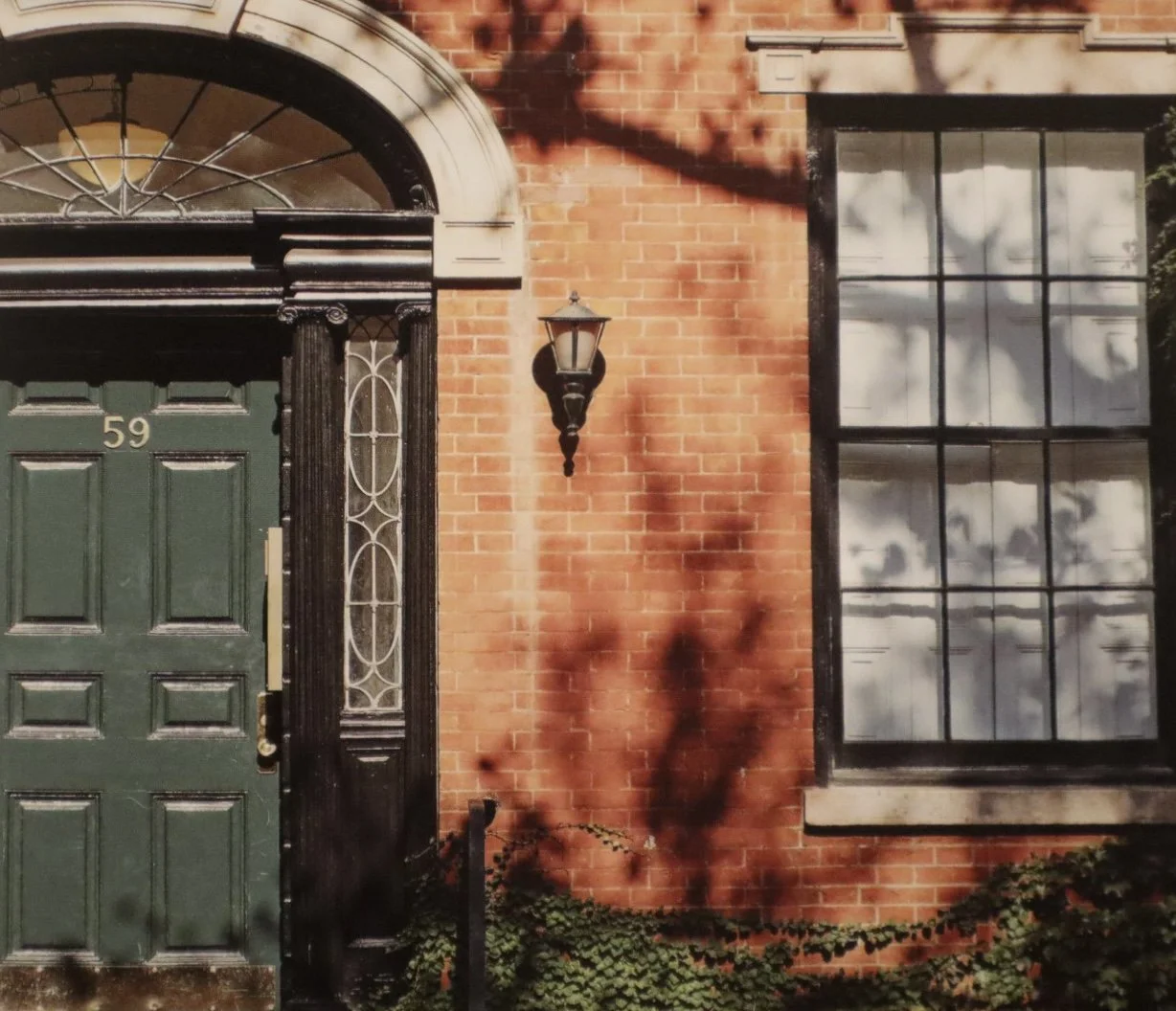
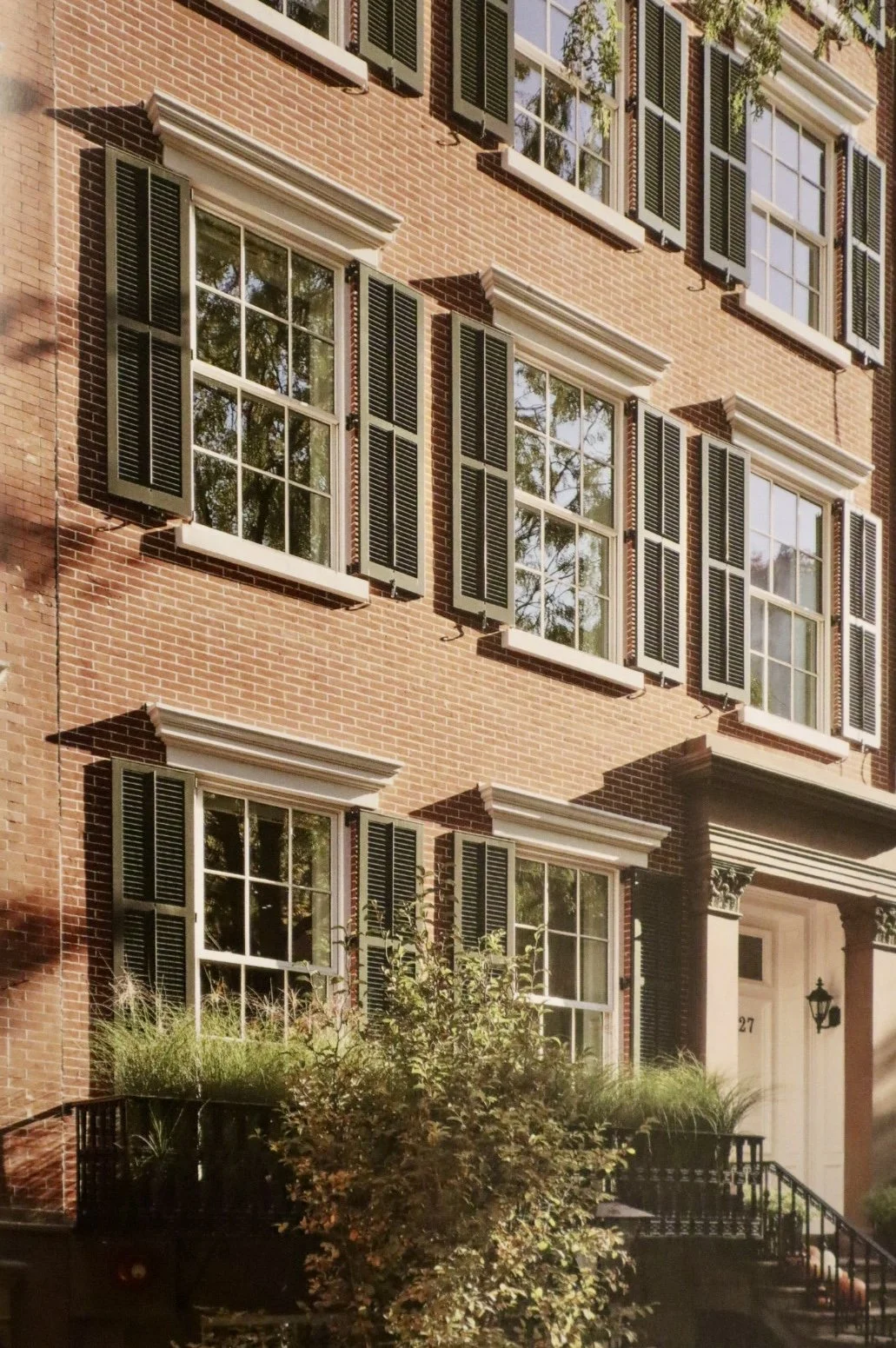
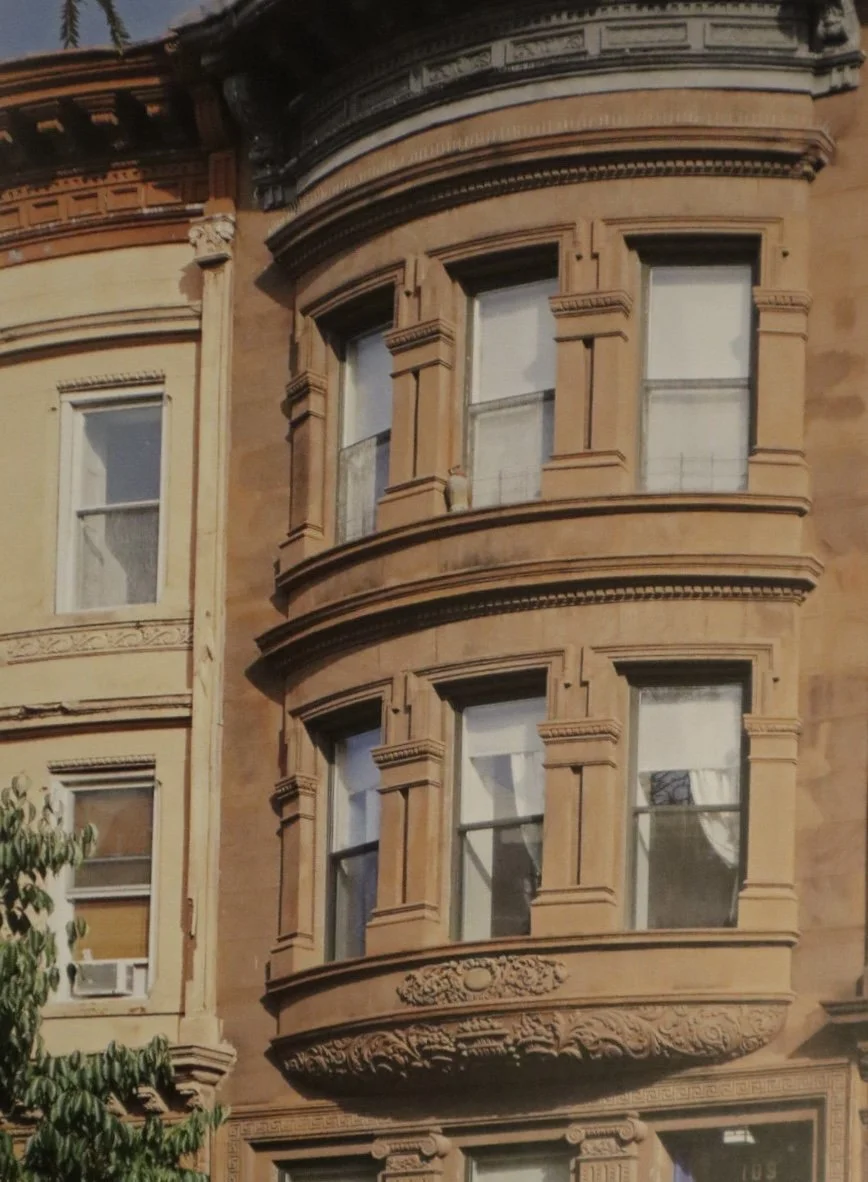
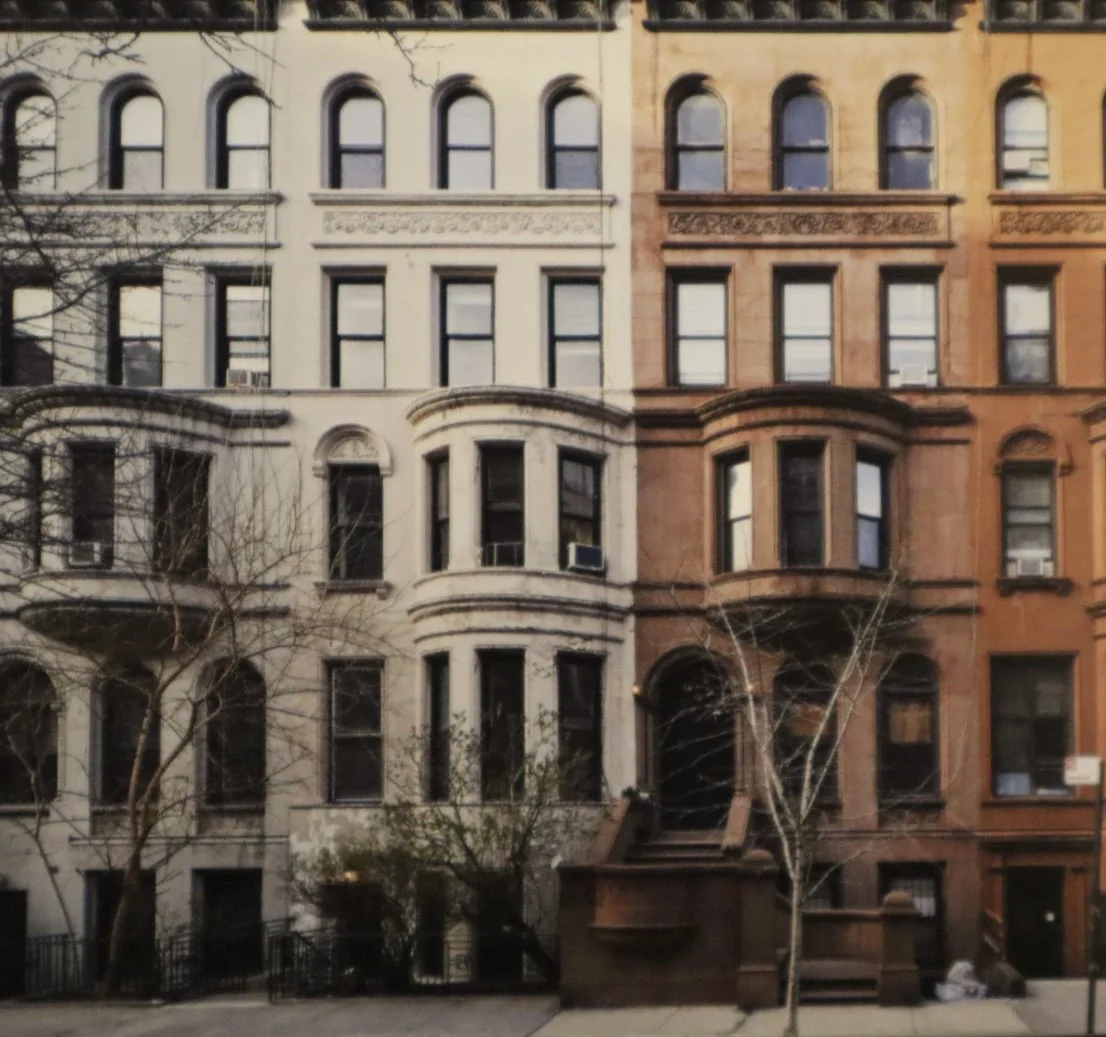
Jenrette Foundation President Benjamin Prosky, a Brooklyn native who lives in a brownstone today, says it’s more than a sui generis typology. It’s a flexible framework for living that, in turn, makes the city a livable place.
“Browstones—sturdy and imposing—might seem limited and restricted to some people, but the fact is the brownstone is malleable and can be adapted to one house, many apartments, studios, or single-room occupancies. Brownstones have endured because they provide a framework for lots of housing options,” says Prosky. “They can take on many styles and, beyond ‘brownstone,’ they can take on lots of other building materials, too.”
The comparison with other cities makes the distinction clearer. London, like New York, has long been shaped by streets of attached houses, while Paris is more closely associated with its continuous façades of apartment buildings and corner cafes. New York's row houses occupy a distinctive position between these models, offering a human-scaled urban fabric that is both residential and metropolitan.
“They loom large in the lore of New York City,” says Prosky. “There’s a romanticism about the way they meet the street, and what fascinates me about brownstones is its connection to the street—nothing beats it. Nothing beats sitting on a stoop.”
Their history also complicates any simple definition of the middle class. As Ciccone notes, the social position of the families who occupied these houses varied according to neighborhood, land values, and time. A house in Brooklyn might have served a different market from a comparable property in Manhattan, and 19th middle-class domestic life could include one or two servants. These buildings were not simply expressions of an idealized domestic culture. They were also real estate investments, constructed and sold in response to the economic conditions of a rapidly changing city. Driving that change were architecture firms that defined a good amount of the historic fabric of the city and defined the early era of professionalization from the 1860s onward among architects in the United States: Parfitt Brothers, Amzi & Henry Hill, Montrose W. Morris, C.P.H. Gilbert, R.L. Daus, William B. Tubby, and Lamb & Rich.

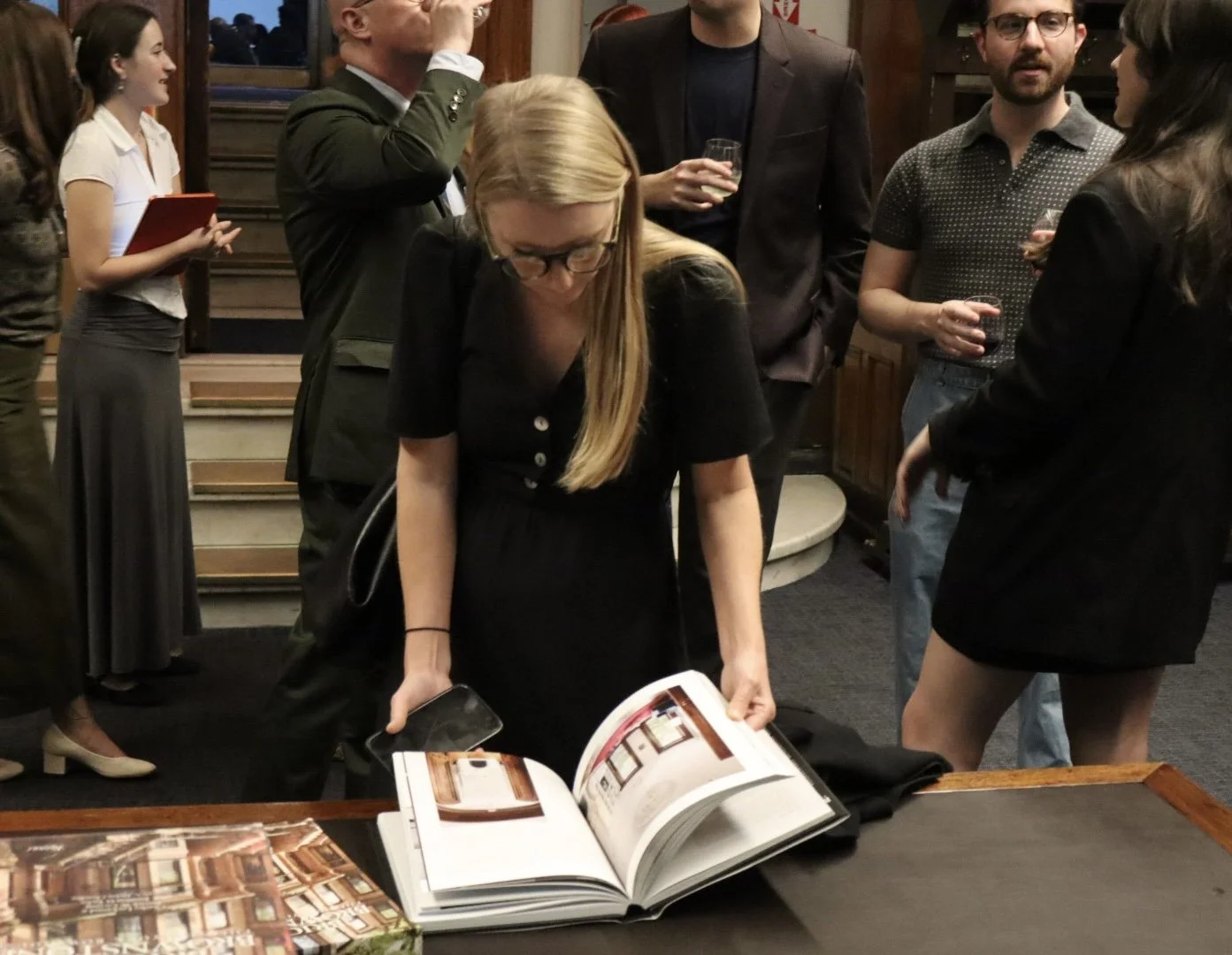
“A City of Houses: The New York Brownstone, Past, Present, and Future,” was hosted by the Institute of Classical Architecture & Art (ICAA) and the Jenrette Foundation as part of the Richard H. Jenrette Lecture Series on October 14 at the General Society Library in New York.
A landmark book, reconsidered
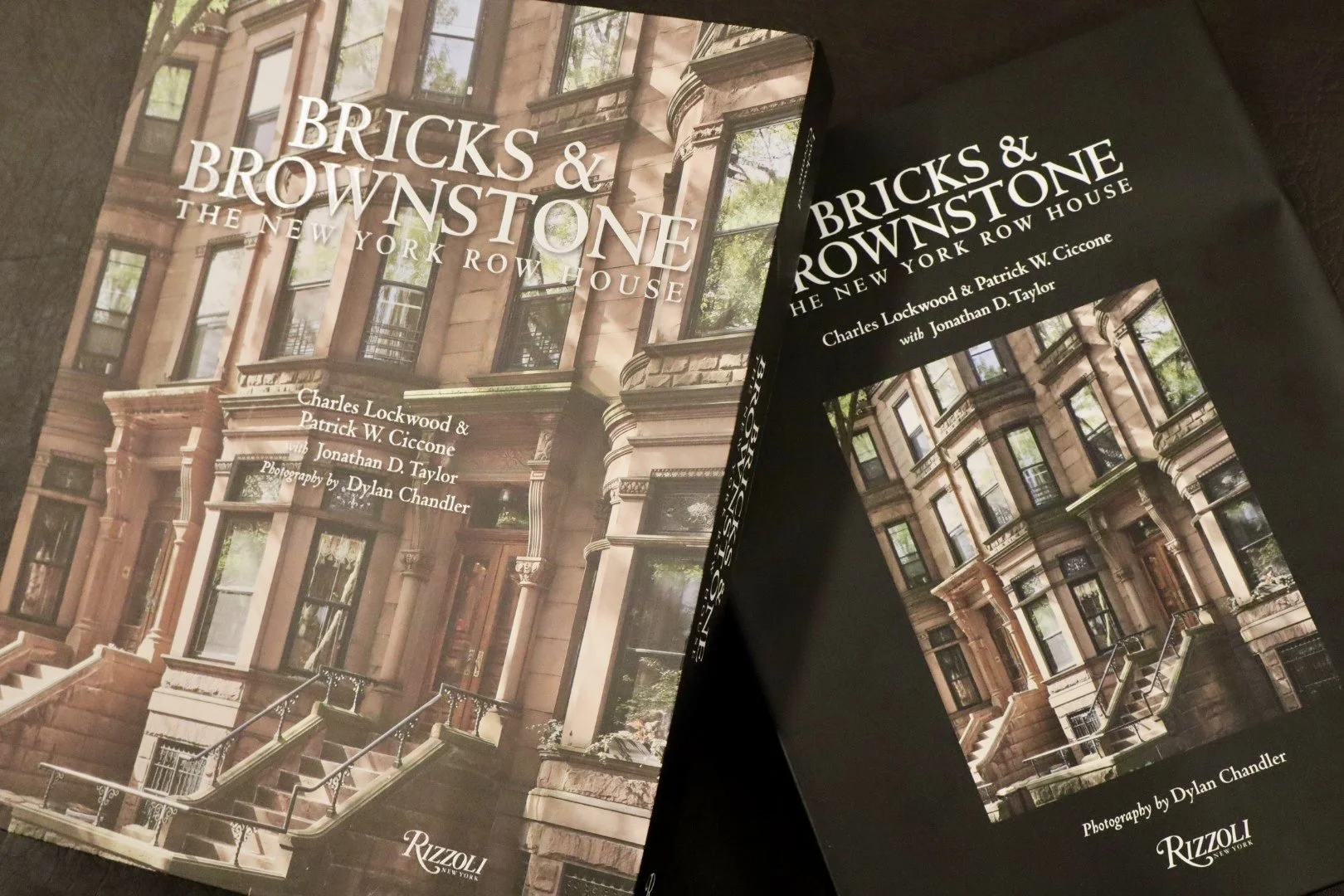
The architectural diversity of these streets is documented in Bricks & Brownstone: The New York Row House, the landmark volume first published in 1972 by architectural historian Charles Lockwood. The first edition helped renew appreciation for New York’s 19th century residential architecture, demonstrating that the city’s ordinary houses possessed a rich history worthy of close study. A revised edition followed in 2003, and in 2019 Rizzoli published a further revised and expanded edition by Lockwood and Ciccone, with contributions from preservationist Jonathan D. Taylor and new photography by Dylan Chandler.
Illustrated with more than 250 color and black-and-white images, the book traces the evolution of New York’s row houses from colonial-era precedents through World War I. It examines the Federal, Greek Revival, Gothic Revival, Italianate, Second Empire, Neo-Grec, Queen Anne, Romanesque, Renaissance Revival, and Colonial Revival styles, situating individual buildings within the broader history of the city’s architecture and real estate development. Its detailed attention to façades and interiors makes it both an architectural reference and a portrait of the streetscapes that continue to define New York’s historic neighborhoods.
“As a native New Yorker, brownstones mean so much to our urban fabric,” says Prosky. “Whether you live in one or not, its image and its presence in lots of parts of the city is familiar and beloved.”
For Ciccone, updating the book meant more than adding chapters or commissioning new photographs. He began working with Lockwood in 2006, while studying at Columbia University's Graduate School of Architecture, Planning and Preservation. After Lockwood's death in 2012, Ciccone took on the responsibility of completing the project, which took another seven years. The result preserves the original book's contribution while expanding its account of a building type whose history extends well beyond the periods most thoroughly explored in the earlier editions.
“The original book was very much in the vein of architectural history—styles beget styles—and Charles [Lockwood] ran out of time to continue working on the years post-1865 to WWI,” says Ciccone, “so, rebalancing the book was something I had to take on to account for the richness of his exploration of the pre-1865 years.”
That process also required reconsidering the language used to describe architectural history. Terms such as “modern” and “Neo-Grec,” have acquired meanings that differ from those they carried for earlier generations of historians. Revising the book became an exercise in historical interpretation as much as lexical inquiry—a way to preserve a foundational work while making it more complete and relevant to contemporary readers.
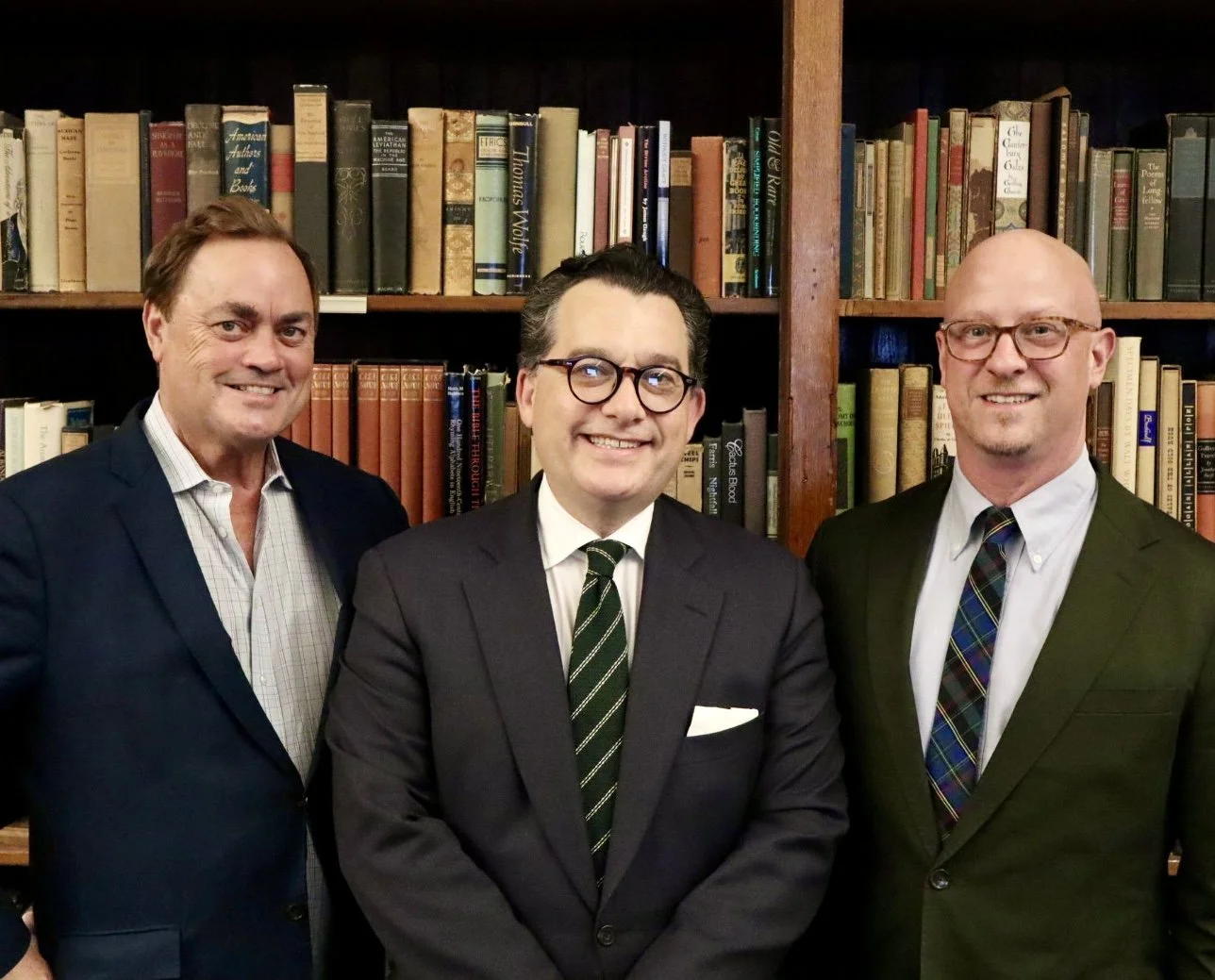
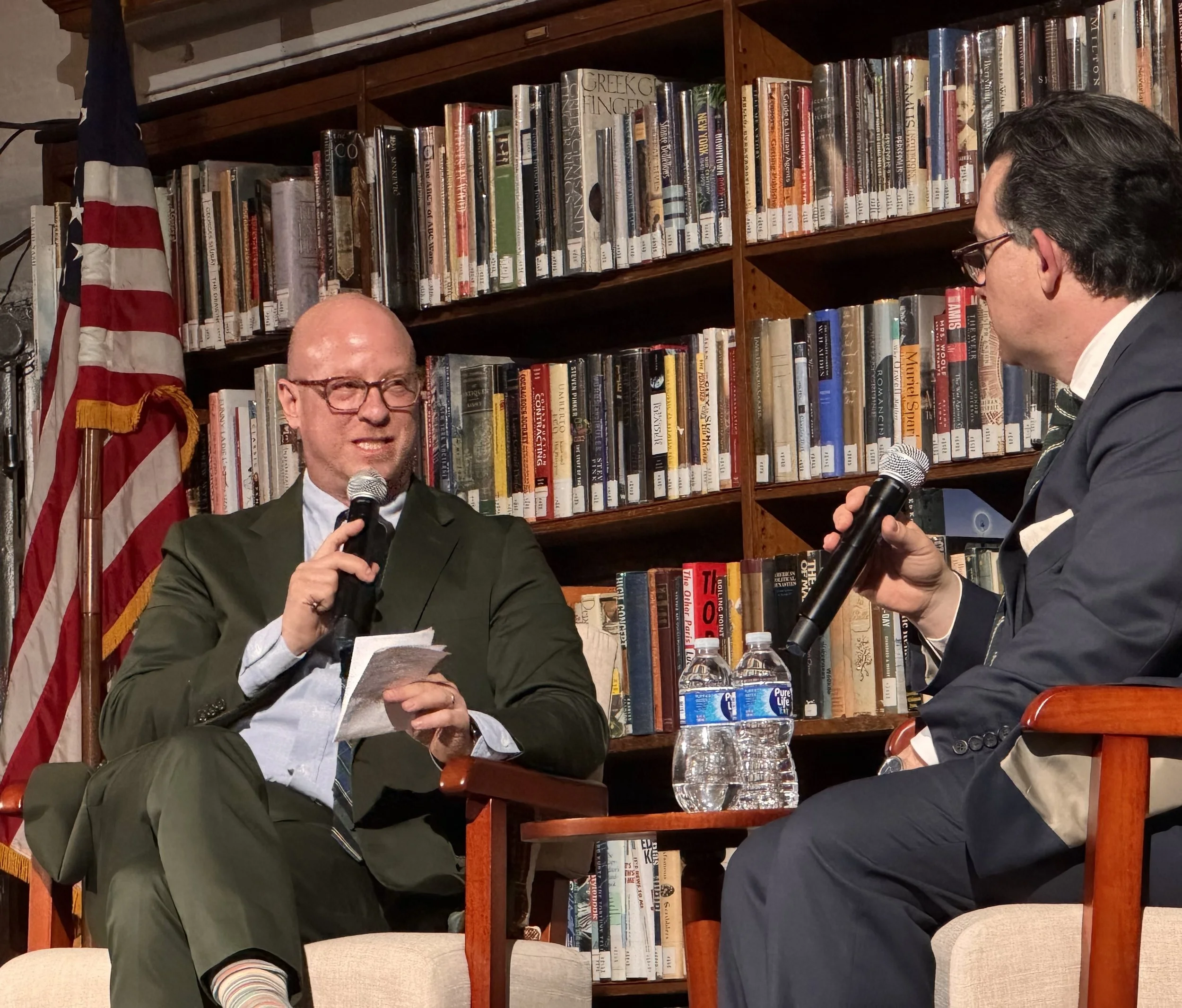
At left, ICAA President Peter Lyden, preservationist Patrick Ciccone, and Jenrette Foundation President Benjamin Prosky. At right, Prosky and Ciccone discussed the living legacy of brownstones in an ever-changing city on October 14.
Preservation beyond the exceptional
Ciccone’s interest in architecture has always centered on how buildings come together to form cityscapes. Ordinary buildings, from brownstones to apartment houses and tenements, often do more to define the character of a city than its most celebrated landmarks. This is an important principle for historic preservation. A city's architectural heritage is not confined to monuments, grand civic buildings, or the work of renowned architects. It is also embedded in the repetitive forms and accumulated details of everyday streets: the proportions of a row of windows, the rhythm of stoops, the variation of masonry and ornament, and the relationship between individual houses and the public realm. Such buildings gain much of their significance through their collective presence. A single brownstone can be architecturally distinguished, but an intact block of row houses reveals something larger about the city's development, its building traditions, and its social history.
“What’s remarkable about the high-stoop configuration is its long tradition in New York City urbanism. It’s the basic template for all single family houses constructed in Manhattan from the late-18th century into the late-19th century,” says Ciccone. “Lots of technology comes in like gas lighting, plumbing, and electricity eventually, but the plan remains durable—and livable.”
The preservation of streetscapes involves more than retaining attractive façades. It requires understanding the buildings as parts of a larger urban system, shaped by property markets, changing household arrangements, construction practices, and patterns of neighborhood development. It also requires acknowledging that the histories of these places are not static. Buildings are altered, subdivided, restored, and repurposed as the city changes around them.
For owners, architects, and preservationists, the challenge is to manage that change without erasing the qualities that make these buildings meaningful. Historic materials and craftsmanship deserve careful attention, but so too do questions of continued use, maintenance, and adaptation. (Worth noting that most New York City brownstone was quarried along the Connecticut River near Portland, Connecticut—abundant, local, and easily carvable.) Preservation is not simply a matter of returning a building to a single moment in its history. It is an ongoing process of determining what should endure, what can change, and how the building can continue to serve the city.
The renewed popularity of brownstones also raises questions about affordability, access, and the future of historic neighborhoods. As houses are restored and property values rise, the qualities that make these places desirable can also contribute to pressures that change who can live in them. The preservation of architectural character and the preservation of a neighborhood's social vitality are related concerns, though they are not always easily reconciled.
Today, Brooklyn retains many intact examples of the New York row house, while Manhattan's surviving examples offer a more fragmented record of the city's residential past. Across both boroughs, these buildings remain a defining feature of the urban landscape, connecting contemporary New York to the ambitions and contradictions of its nineteenth-century development.
Their continued presence is not inevitable. Historic buildings depend on sustained maintenance, informed rehabilitation, and decisions that recognize their value beyond their immediate real estate potential. Documentation and scholarship help establish that value, while preservation practice translates it into the practical work of caring for buildings and neighborhoods. In this sense, the history of the brownstone is inseparable from the history of the people who have recognized its importance and worked to ensure its survival.
The story also offers a broader lesson about architectural heritage. The buildings that most clearly express a city's identity are not always its largest or most conspicuous. Often, they are the familiar structures that line its streets, accommodate daily life, and establish a sense of continuity amid change. New York's brownstones endure because they are both historical artifacts and adaptable places to live, embodying the relationship between architecture and the evolving needs of an urban population.
Through the scholarship of Bricks & Brownstone and the continuing work of preservationists such as Ciccone, the row house emerges not simply as a picturesque relic, but as an essential part of New York's architectural and cultural inheritance. To preserve these houses is to safeguard more than individual buildings. It is to sustain the streetscapes, patterns of urban life, and accumulated architectural knowledge through which the city understands its past and shapes its future.
This event was part of the Richard H. Jenrette Preservation Series, a collaboration between ICAA and the Richard Hampton Jenrette Foundation that seeks to catalyze public programming around classical architecture and preservation. The series continues Jenrette’s legacy of promoting the stewardship of architectural heritage, especially the unglamorous and ongoing work required to keep historic houses alive. The evening’s sponsors included RINCK, Dell Mitchell Architects, and Hyde Park Mouldings. Their partnership underscores the realm of architecture, conservation, and craft working in harmony with public institutions.