
Emerging Scholars Recover Craft, Identity, and Material Culture
Author: William Richards, Ph.D.
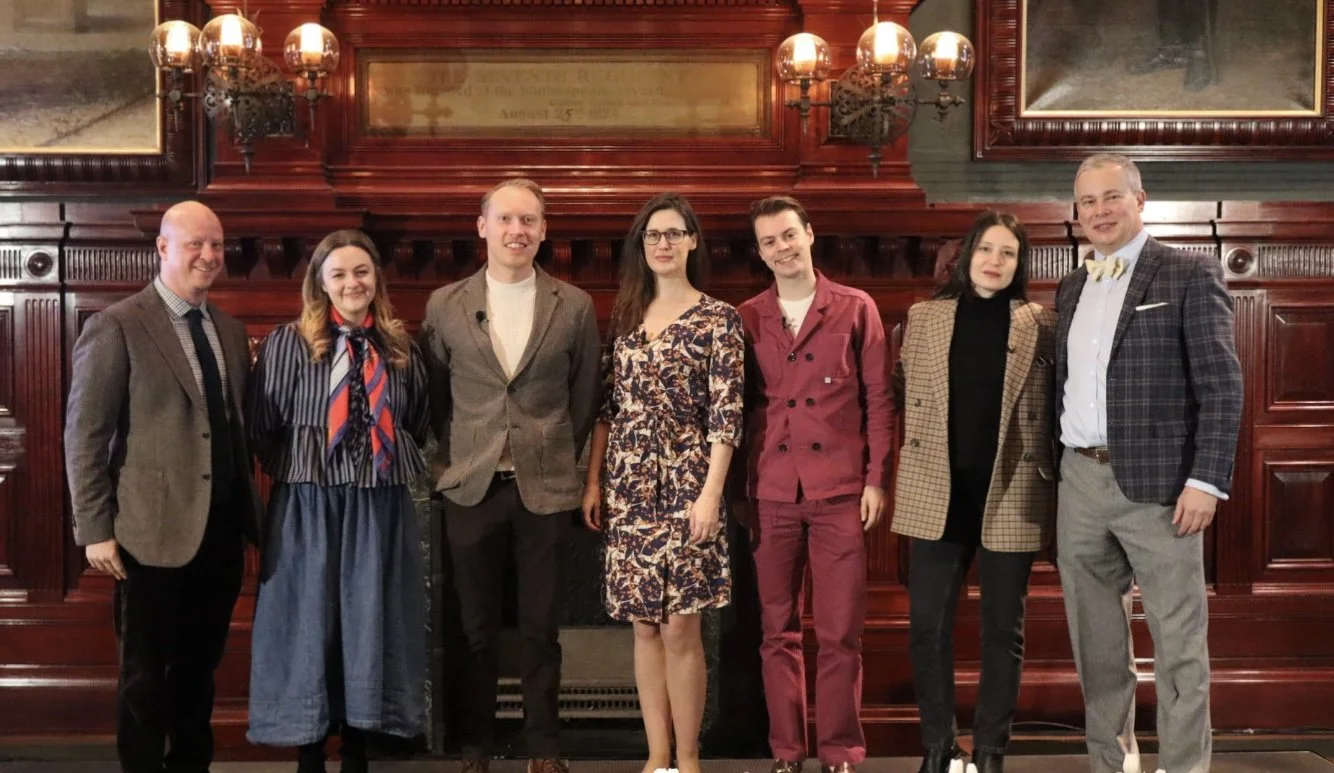
L-R: Benjamin Prosky, Bethany McGlyn, Eric Birkle, Emelie Gevalt, Jasper Martens, Fosca Maddaloni-Yu, and Matt Thurlow.
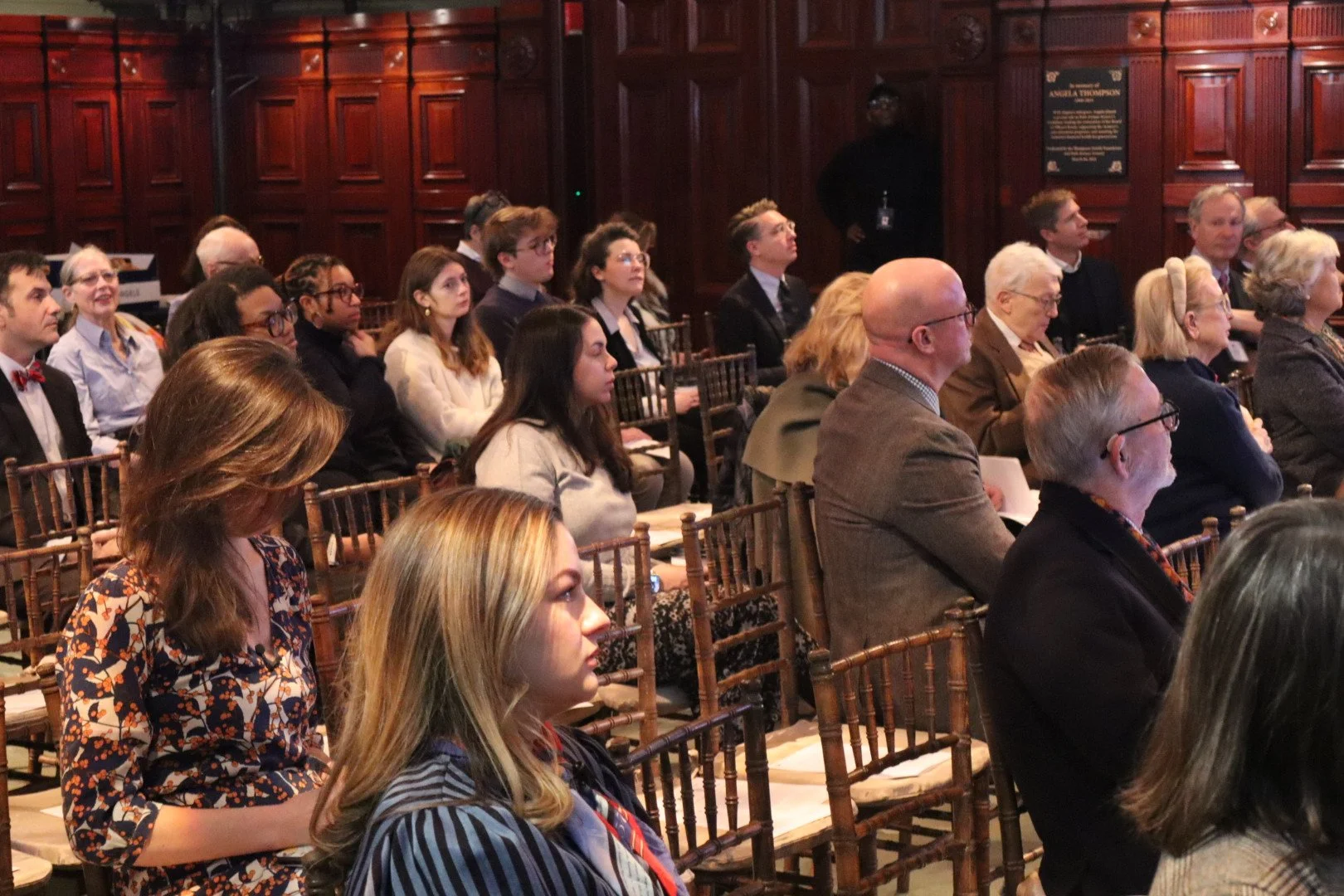
The Decorative Arts Trust’s Emerging Scholars Colloquium on January 25, 2026, focused its unique platform on new research in the decorative arts and material culture during its 10th anniversary—a sustained commitment to identifying, supporting, and elevating emerging scholars at critical early stages of their careers. Hosted in partnership with the Richard Hampton Jenrette Foundation, the colloquium’s shared investment in scholarship is a cornerstone of preservation, interpretation, and public understanding.
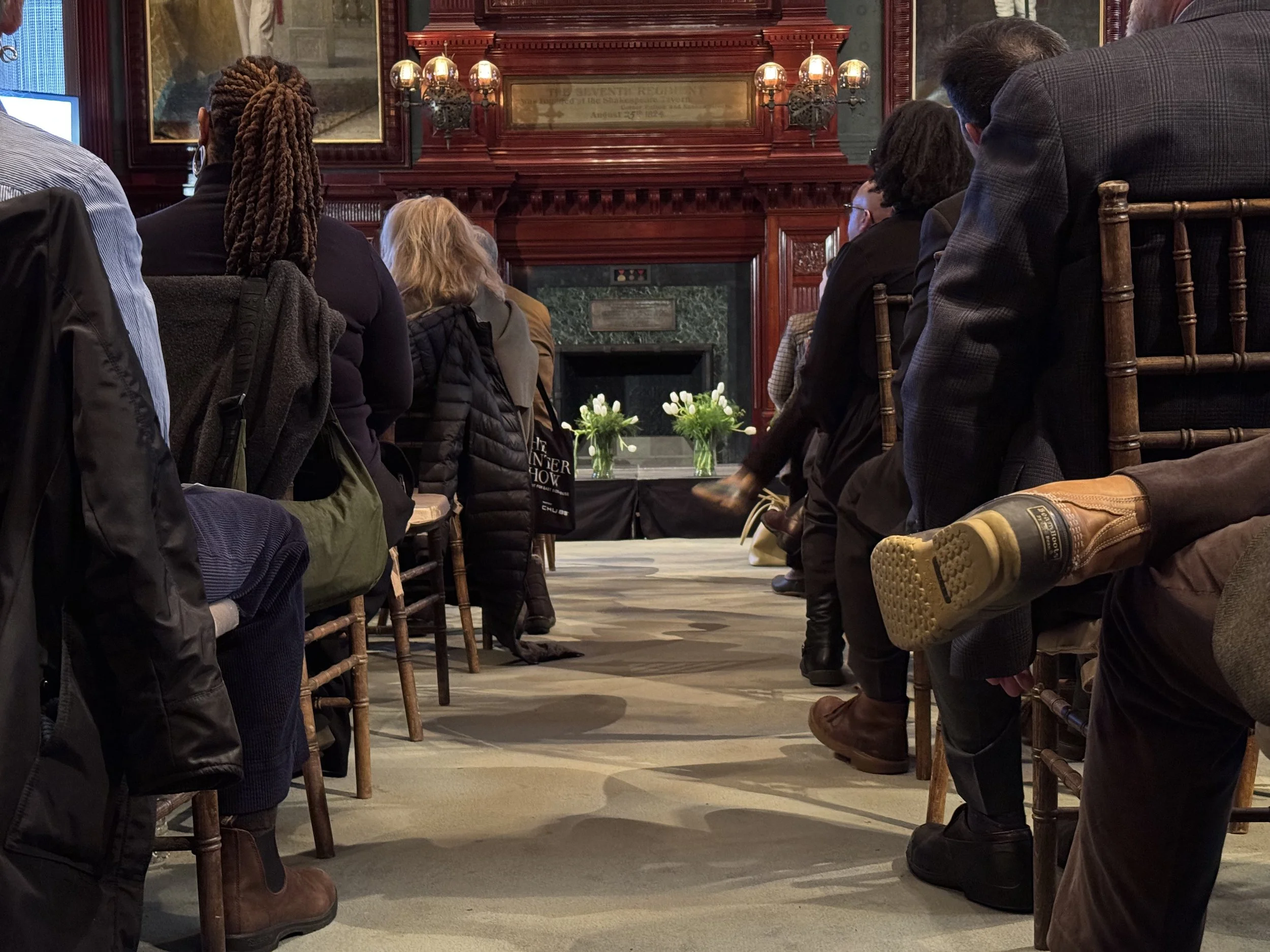
Since its launch in 2017, the Emerging Scholars Colloquium has remained responsive to shifts in the art market, academic training, and curatorial practice, while maintaining a clear mission: to foreground original research and connect scholars with professional audiences. Early programs, held through the hospitality of Richard Hampton Jenrette, introduced presenters who have since assumed leadership roles across museums, universities, and cultural institutions. Following a brief period of virtual programming during the pandemic, the colloquium now convenes at the Park Avenue Armory’s Board of Officers Room during the New York Winter Show, aligning scholarly exchange with the broader ecosystem of exhibitions, auctions, and study opportunities that enrich the field.
The 2026 program opened with welcoming remarks from Matt Thurlow, Executive Director of the Decorative Arts Trust, followed by reflections from Benjamin Prosky, President of the Richard Hampton Jenrette Foundation. Together, they underscored the importance of sustained investment in emerging scholars and the enduring value of collaborative partnerships that bridge research, preservation, and public engagement.
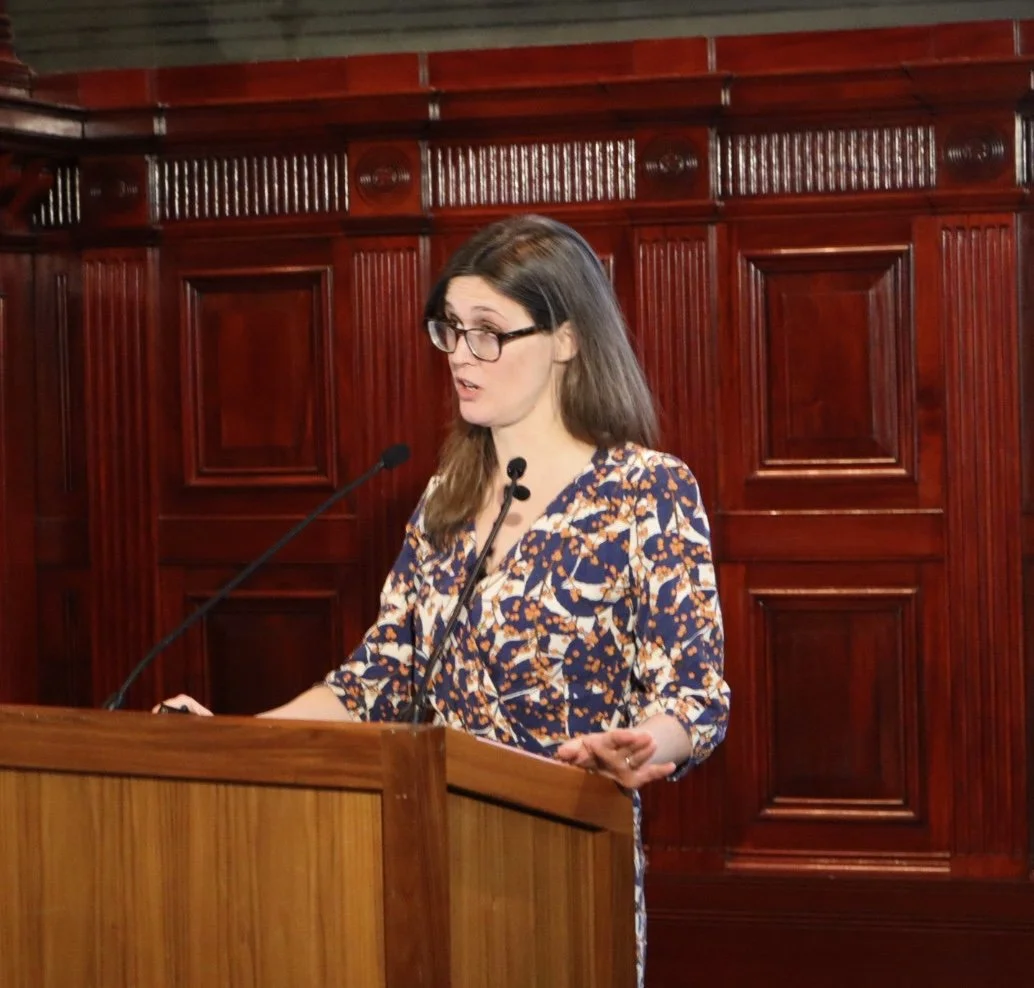
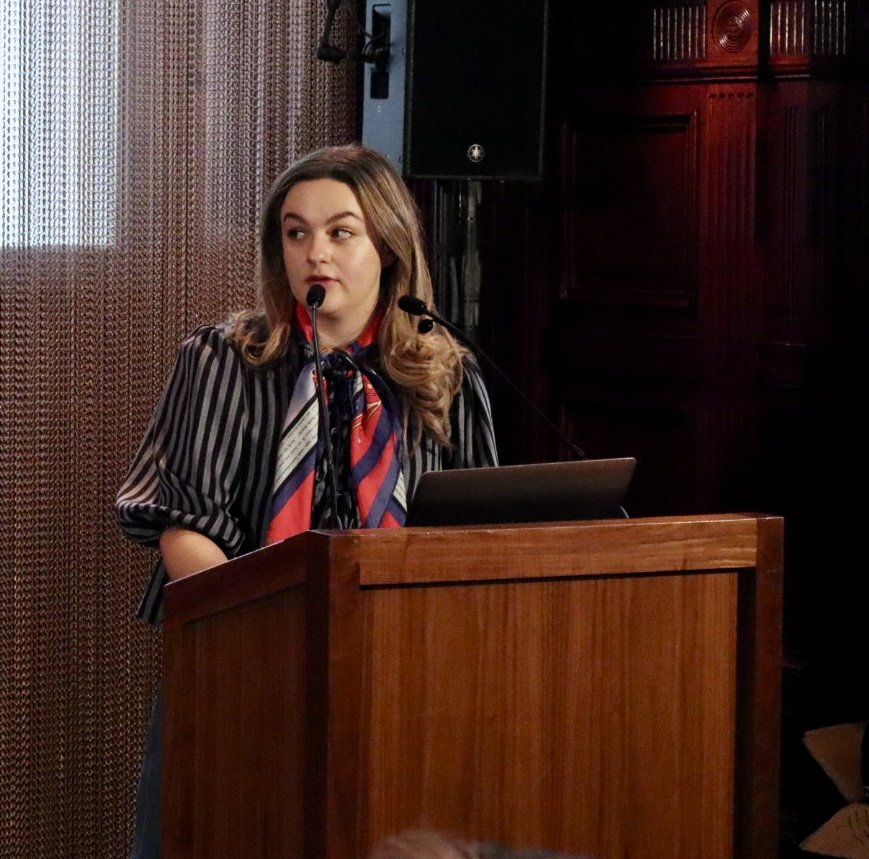
“Dick Jenrette believed in mentorship and bringing people together at his homes, and beyond, and all of these things drive the Jenrette Foundation today,” said Prosky. “This gathering put on by the Decorative Arts Trust is a wonderful example of that ongoing commitment to emerging professionals and, importantly, emerging scholarship.”
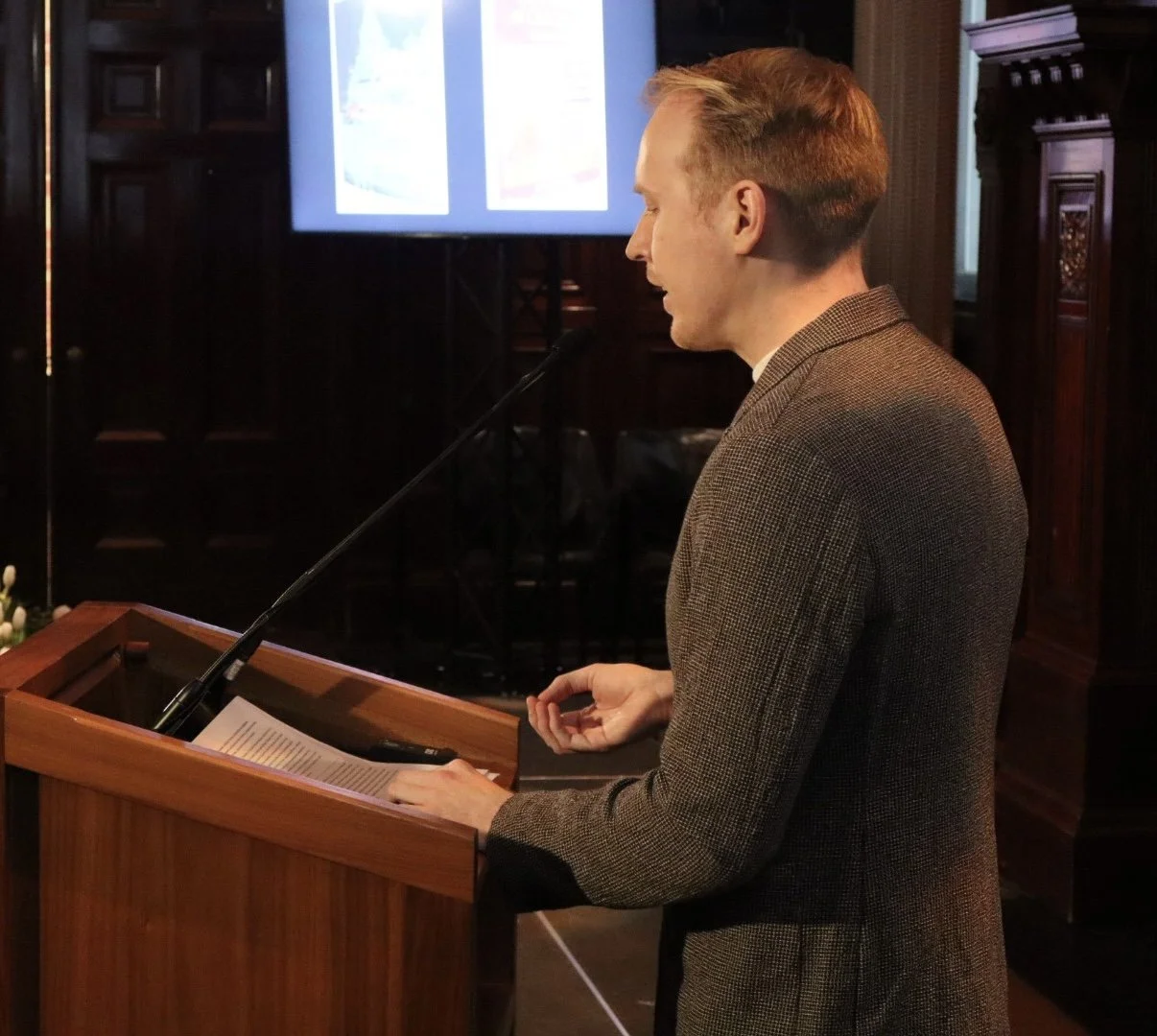
The day’s presentations spanned geographies, media, and methodologies, demonstrating the breadth of contemporary decorative arts scholarship. Eric Birkle, Marie Zimmermann Curatorial Fellow in European Art at the Art Gallery of Ontario, began the program with a close examination of picture framing in late-nineteenth-century Toronto. By “highlighting the edge,” Birkle reframed an often-overlooked element of display as a site of artistic innovation, commercial exchange, and aesthetic meaning, revealing how frames mediated the relationship between artwork, interior, and viewer.
Fosca Maddaloni-Yu, Euchlin D. Reeves Curatorial Fellow in Ceramics at the Museums at Washington & Lee University, turned attention to the sixteenth century, exploring porcelain and metalwork as agents of transcultural exchange. Her presentation traced how materials, techniques, and forms moved across borders, challenging fixed notions of origin and authorship and emphasizing the active role of makers and users in shaping global material culture.
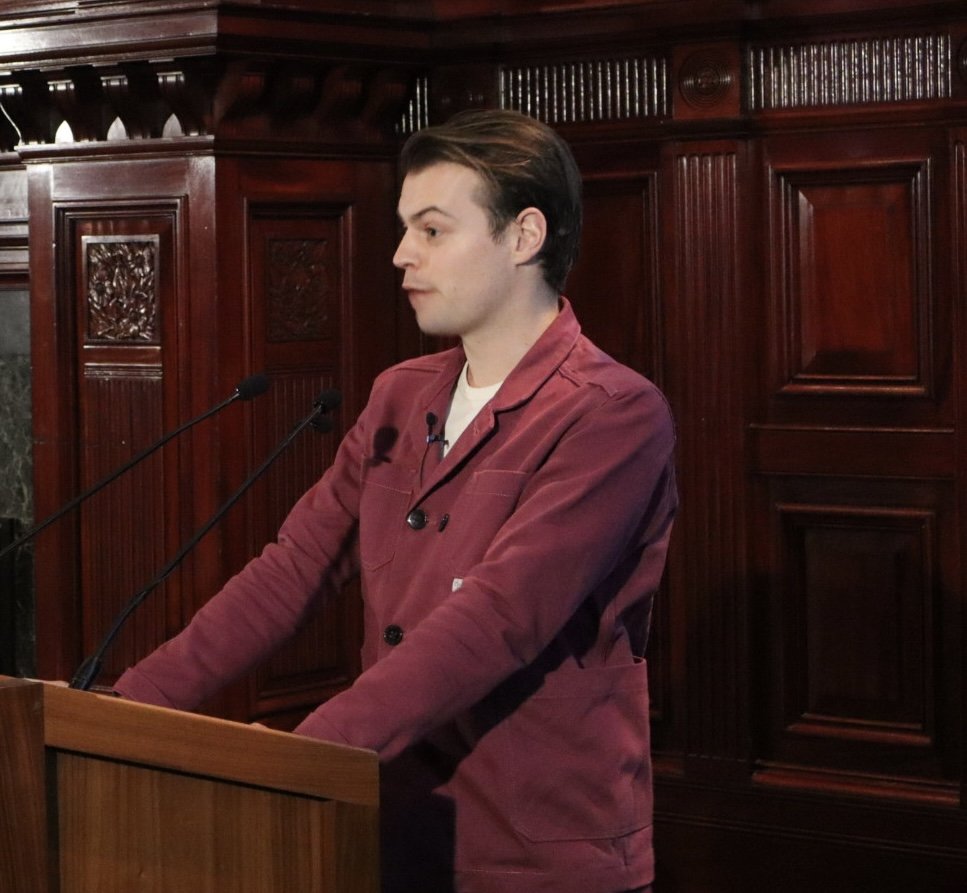
Jasper Martens, a PhD student at the University of California, Santa Barbara, examined the intimate scale of Netherlandish miniature portraiture through the lens of mica overlays. Focusing on miniature paintings from the seventeenth century, Martens explored how costume, surface, and transformation contributed to expressions of identity, inviting viewers to reconsider how materials altered both appearance and meaning.
Overlays articulate the lived experiences of the associated persons depicted. They raise essential questions,” said Martens, describing the thin, interchangeable layers with different clothes, hairstyles, or accessories allowing to alter portraits once or in multiple ways with a composite look. “Crucially, these overlays require the viewer’s action—the viewer actively assembles and dismantles identities.”
Bethany McGlyn, a William L. Thompson Collections Fellow at the Richard Hampton Jenrette Foundation and Graduate Fellow at the University of Virginia, offered a compelling visualization of nineteenth-century Danish Caribbean interiors. Her presentation illuminated how domestic spaces in colonial contexts negotiated power, climate, and culture, expanding the geographic and conceptual boundaries of interior history through the lens of a watercolor that hangs at Edgewater.
“The project I envisioned for myself was to use this piece to explore how domestic life might have been at this time and in this place, but looking at this object moved me into a new and exciting direction,” said McGlyn, whose detective work on a unique painting in the Jenrette Foundation’s collection included provenance, attribution, purpose, and interpretation.
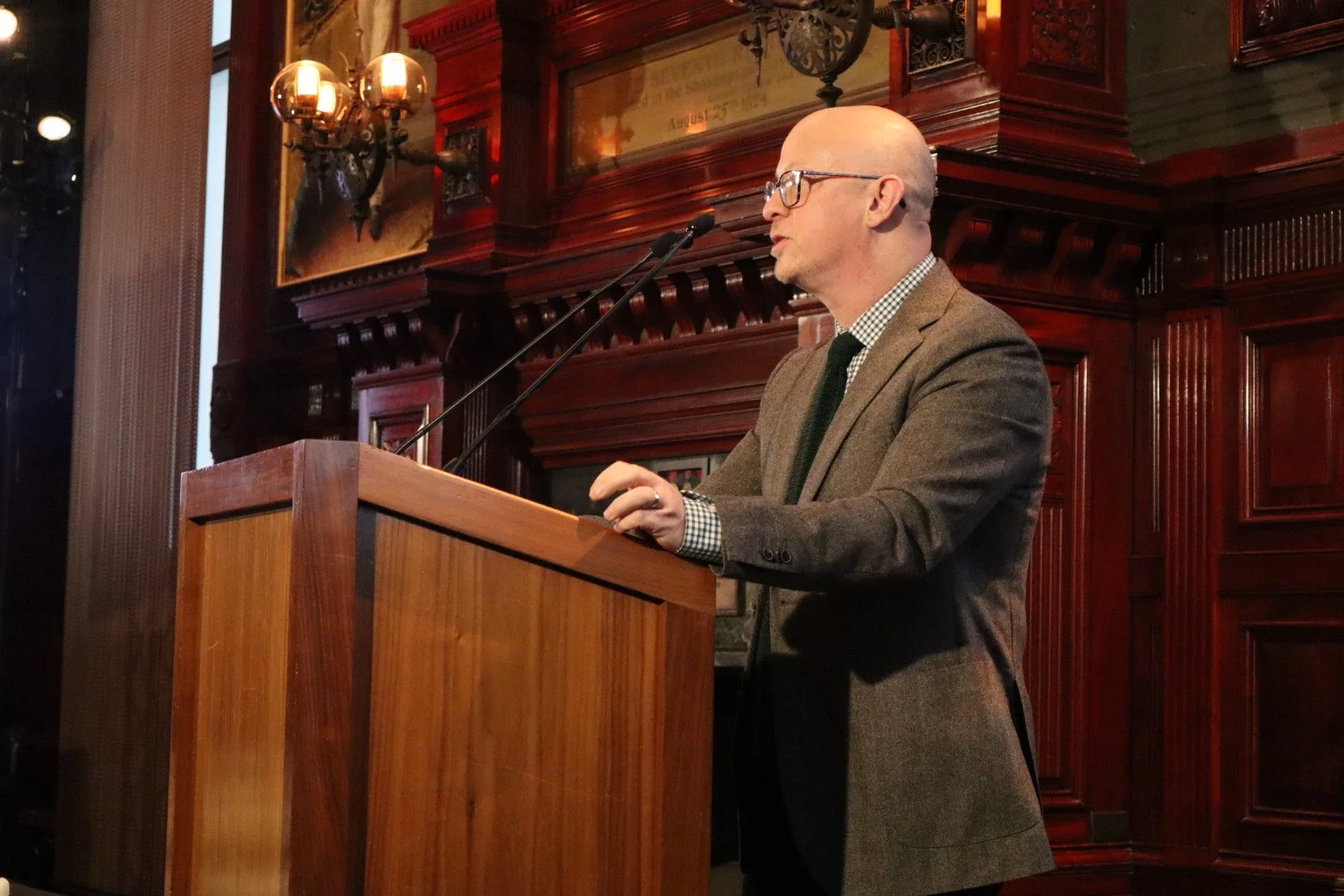
“Dick Jenrette believed in mentorship and bringing people together at his homes, and beyond, and all of these things drive the Jenrette Foundation today,” said Benjamin Prosky, President of the Jenrette Foundation. “This gathering put on by the Decorative Arts Trust is a wonderful example of that ongoing commitment to emerging professionals and, importantly, emerging scholarship.”
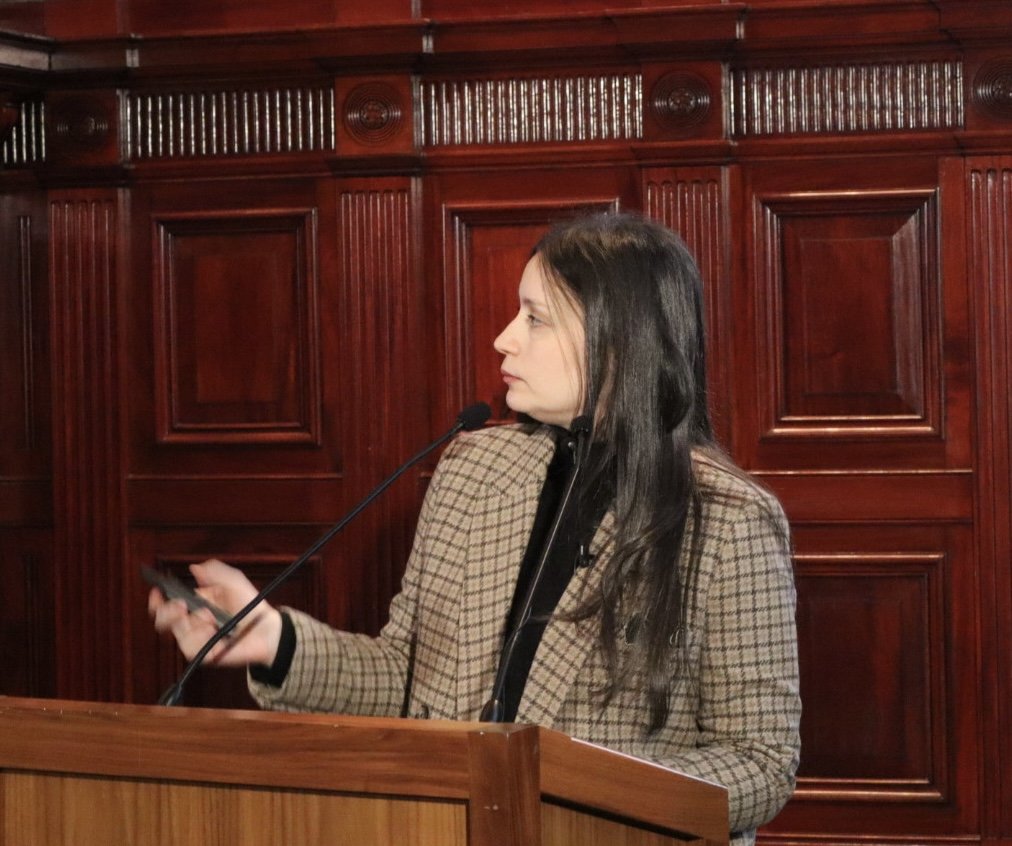
The program concluded with a presentation by Emelie Gevalt, Deborah Davenport and Stewart Stender Deputy Director and Chief Curatorial and Program Officer at the American Folk Art Museum. Moving beyond the ornamental, Gevalt examined girls’ education and the decorative arts in early America, revealing how seemingly decorative practices shaped identity, discipline, and social values.
As the Decorative Arts Trust celebrates a decade of the Emerging Scholars Colloquium, the program stands as a testament to the impact of sustained mentorship and scholarly support. With the continued partnership of the Richard Hampton Jenrette Foundation and the generosity of its supporters, the colloquium not only reflects on the past ten years but looks ahead—ensuring that the next generation of art historians is equipped to ask new questions, uncover new stories, and enrich our understanding of the material world.