
Preserving the Past to Shape the Future: Stewardship, Storytelling, and Community
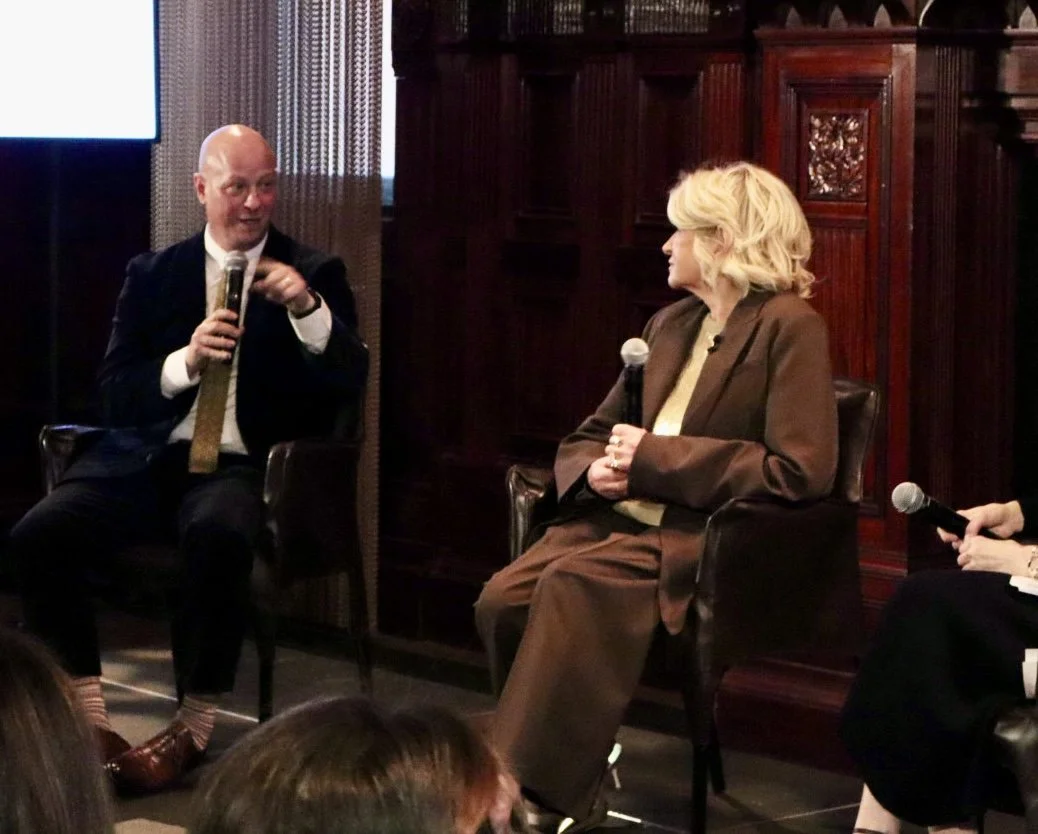
“We see Dick and Bill’s homes as learning laboratories—and if we’re going to work with an expert carpenter or architect, they come to a student day and help a new generation of learners.”
Author: William Richards, Ph.D.
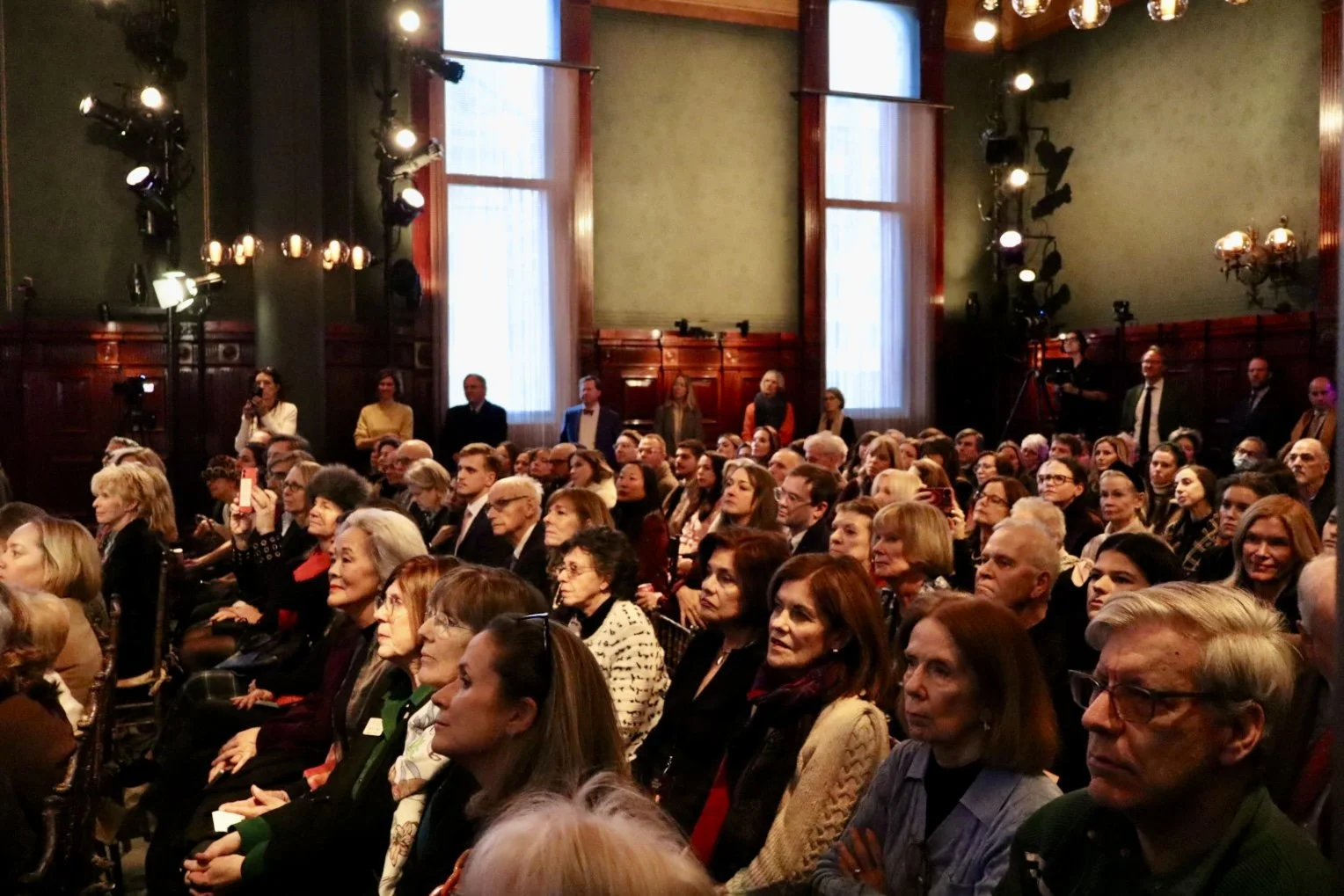
At the Winter Show in January 2026, a standing-room audience gathered for a conversation that reached far beyond any single historic site. Anchored by the restoration of the John Jay Homestead, the panel—featuring Martha Stewart and Benjamin Prosky, President of the Richard Hampton Jenrette Foundation, and moderated by VERANDA Executive Editor Ellen McGauley—explored why historic preservation matters, how communities sustain it, and what stewardship demands of us now.
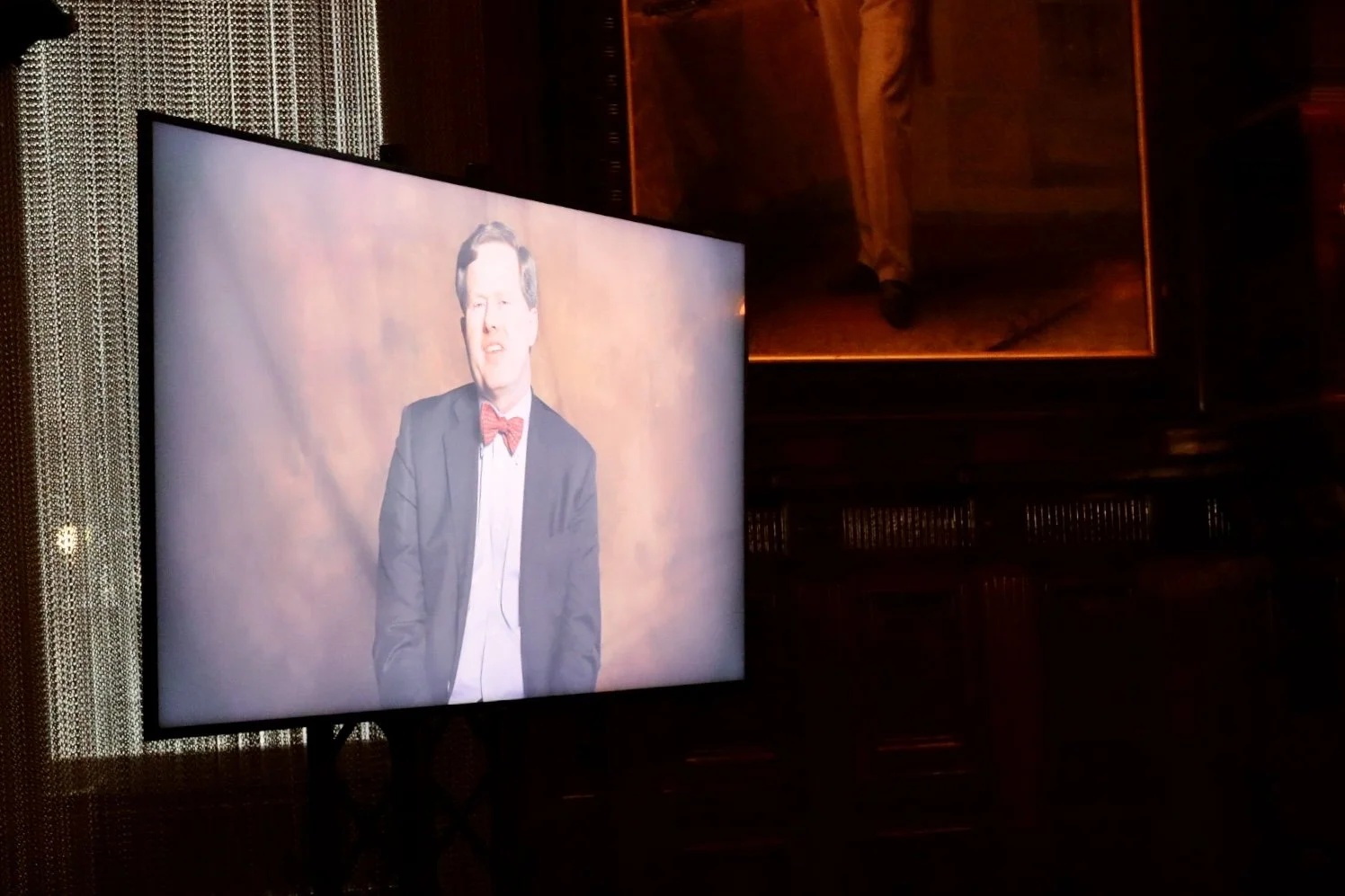
The discussion opened with a short film documenting the ongoing restoration of the John Jay Homestead, featuring Jenrette Foundation Director of Collections Grant Quertermous, setting the stage for a broader examination of preservation as both practice and philosophy. As McGauley noted in her introduction, historic buildings serve as narrators of American stories. They are not static relics, but active participants in how we understand our past—and how we shape what comes next.
Stewart, a longtime neighbor of the Homestead and an active leader in its restoration, reflected on her personal connection to the property and its significance within the surrounding community. John Jay, she observed, did not treat the Homestead as a retreat from public life, but as a working place—cultivated, improved, and shaped over time for family and future generations. That sense of intention, she suggested, is inseparable from Jay’s identity and offers a model for how historic places can remain vital.
“We have to keep our real history alive and protect the history of our country,” said Stewart.
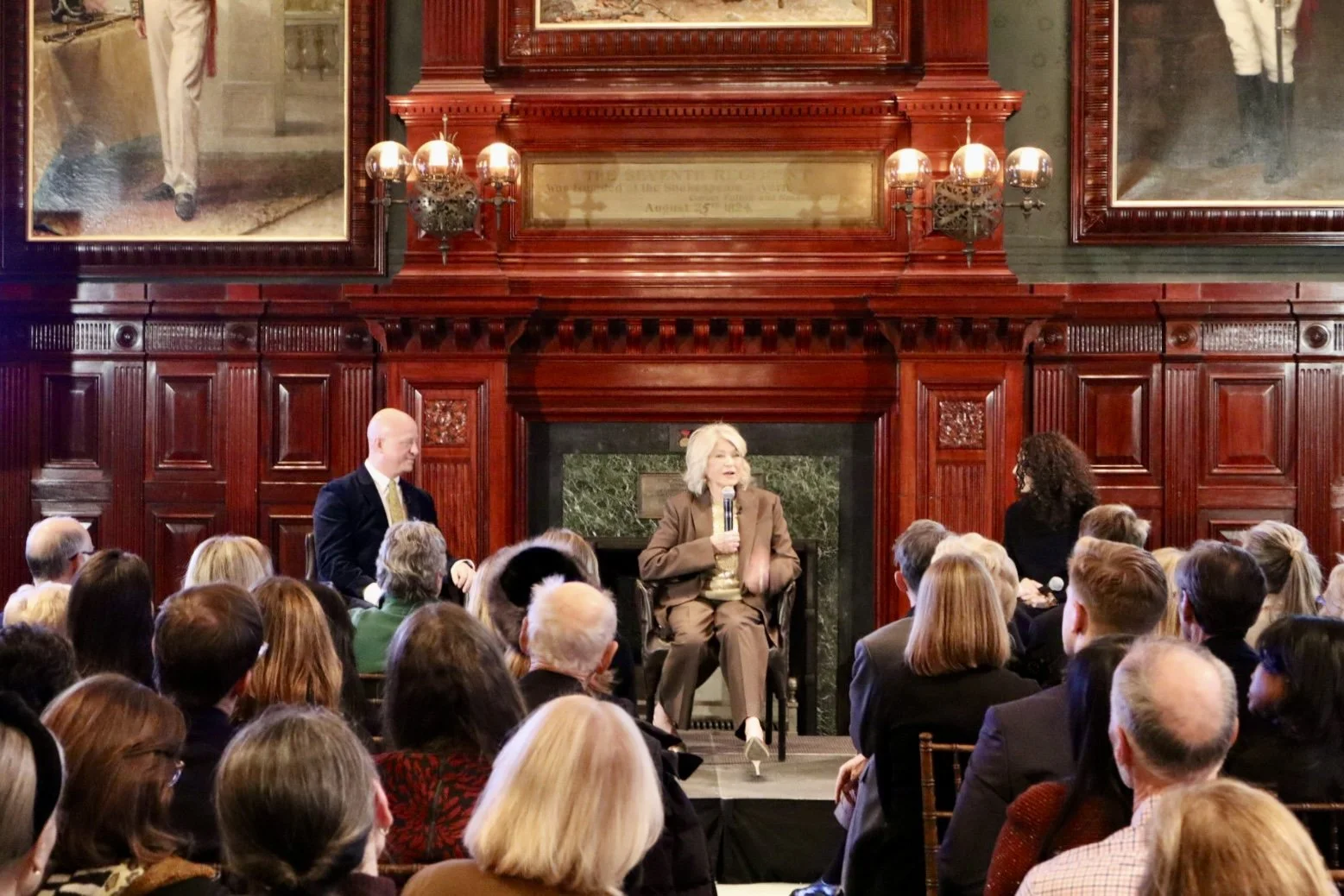
Stewart and Richard Hampton Jenrette were also friendly, connecting on stewardship, furniture, and the complicated but essential project of restoring homes to tell a fuller story.
“I visited every one of Dick Jenrette’s homes, and it was incredible to see all of the collections and it informed me a lot of Federal furniture, including his mirrors, “said Stewart, “and, he was really interested in it—he and his partner, Bill Thompson, did an amazing job of filling those homes.”
Prosky traced the Jenrette Foundation’s involvement with the Homestead to what began, fittingly, as a conversation among friends. Encouraged to visit the site during its planning stages, he soon found himself engaged in larger questions familiar to any restoration effort: what to preserve, what to change, and how to show a building’s evolution honestly. Those conversations eventually led to the Foundation’s loan of a historic portrait of John Jay—once part of the house itself—underscoring a core belief of Richard Hampton Jenrette: that historic objects and buildings are meant to be lived with, used, cared for, and repaired so they can endure.
Stewart spoke warmly of her friendship with Jenrette, recalling his generosity, intellectual curiosity, and legendary love of hosting. Homes, she and Prosky agreed, are shaped as much by gatherings and hospitality as by architecture or furnishings. Prosky recounted Jenrette’s famously audacious dinner party—chartering a private train from Grand Central to Edgewater in the Hudson Valley for an evening of cocktails, dancing, and conversation—as an expression of how historic places come alive through shared experience.
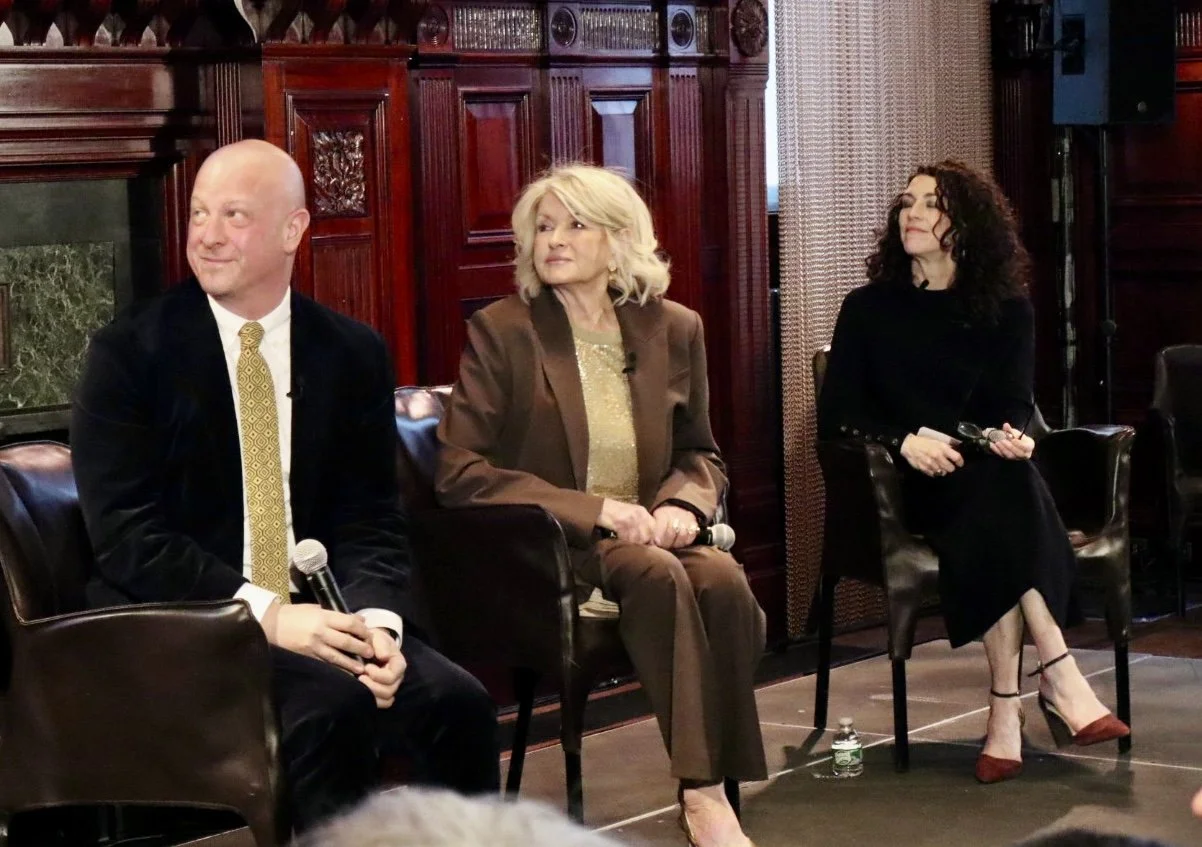
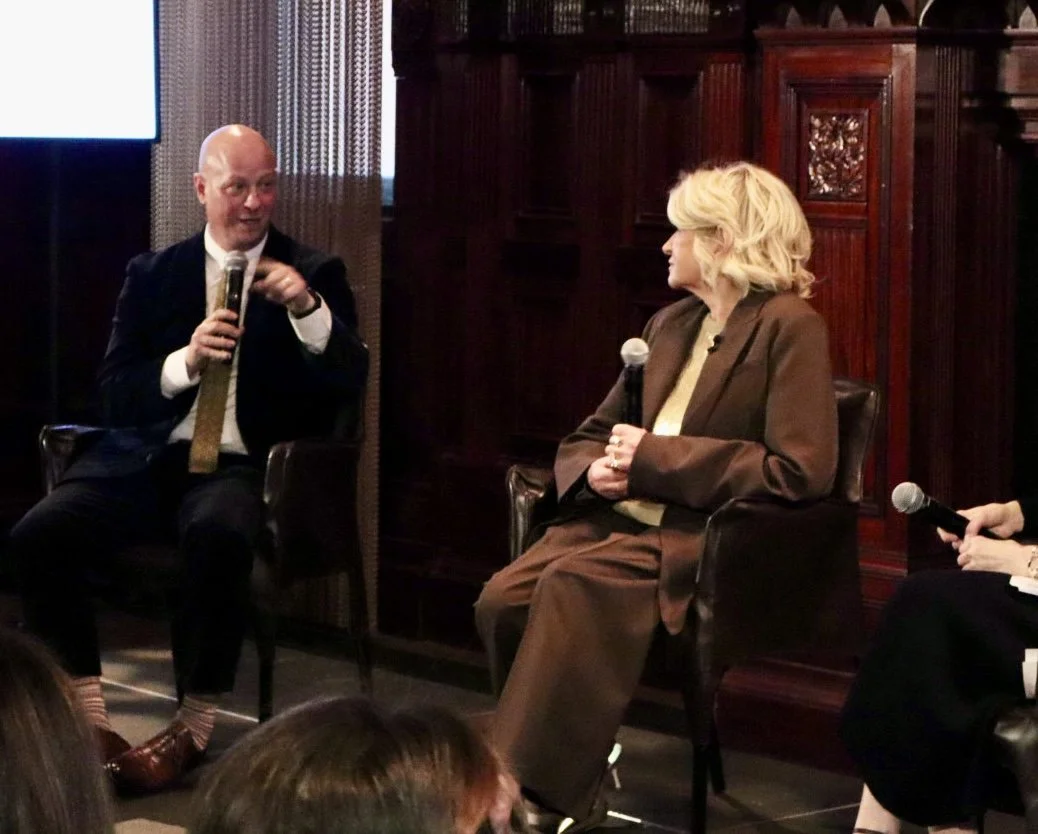
“What’s so important about what Martha is doing, especially in building community around these properties, and it’s something that Dick Jenrette believed in, too. It’s so important to make connections with people—in these homes, in the landscape,” said Prosky. Even earlier this year, when rains flooded the Poet’s Walk at Ayr Mount, neighbors and friends came over to help restore it. I think that’s a testament to how important it is to them, and it’s hugely important to the Jenrette Foundation.”
Community stewardship emerged as a central theme. Stewart described the gardens initiative at the John Jay Homestead, which brings together multiple local garden groups in a collaborative, do-it-yourself effort. Each group takes responsibility for a portion of the landscape, creating a shared sense of ownership rooted in care and participation rather than formality.
Prosky connected this grassroots spirit to the Jenrette Foundation’s properties, including Hillsborough in North Carolina, where neighbors and visitors alike help care for the grounds. He emphasized the importance of welcoming people to historic sites in multiple ways—not solely through guided tours, but through wandering, picnicking, and simply belonging. When dog walkers clear storm debris or locals volunteer time without being asked, stewardship becomes communal rather than institutional.
Both speakers stressed that preservation must evolve if it is to remain relevant. Historic buildings, they argued, should function as learning laboratories and lively community hubs. For the Jenrette Foundation, this includes student days with historic trades workers, immersive fellowships in decorative arts and preservation, and a commitment to showing restoration as a process rather than presenting only finished results. As Prosky noted, it is difficult to inspire the next generation if we have not offered them meaningful access.
Stewart reflected on her own lifelong passion for historic buildings—from studying architectural history to restoring Turkey Hill and documenting the Adams Farm project. Her career, she suggested, has always been grounded in the belief that knowledge, care, and hands-on engagement empower people to become stewards in their own right. Especially across generations.
“I think so many children are interested in history, for instance,” said Stewart. “If you talk to kids, they are learning history every day in school, and the John Jay Homestead will have some really good educational programs, as it has had, and it’s a valuable asset for this community.”
The conversation turned, finally, to storytelling. Preservation, the panelists agreed, must move beyond celebrating beauty alone. To be honest and inclusive, historic sites must acknowledge who built these places, who labored within them, and under what conditions. Carpenters, farmers, servants, and enslaved people are as much a part of these stories as prominent families, and honoring their work deepens—not complicates—our understanding of the past.
“Dick Jenrette founded an incredible bank and it was an important thing in the last century, but his love was historic homes and decorative arts and landscapes,” said Prosky, “and we also believe the historic trades and building crafts go hand in hand with that love. We see Dick and Bill’s homes as learning laboratories—and if we’re going to work with an expert carpenter or architect, they come to a student day and help a new generation of learners.”
As the nation approaches its 250th anniversary, McGauley asked what advice the panelists would offer for shaping the next chapter of American history. Their answer was clear: engage critically, invest time, ask questions, and participate locally. Visit historic sites and exhibitions not for definitive answers, but to better understand where we came from—and where we might go.
In closing, the panel encouraged audiences to continue that exploration at the Domestic Life of the Founding Fathers exhibition at the Katonah Museum of Art. Preservation, they reminded us, is not about freezing history in place. It is about learning from it, caring for it, and carrying its lessons forward—together.
“We care to know about more than how people ate breakfast in these homes,” said Prosky. “We want to know about who built them, who labored to make them, how did they do their work, and what’s the evidence of their work that we can see today? This is a living history that looks forward. That’s preservation. That matters.”