
“Diplomacy at Home” Opens at Katonah Museum of Art
Material culture, memory, and the everyday lives of the people who shaped a nation: a special interview with the Jenrette Foundation’s Curator and Director of Collections Grant Quertermous
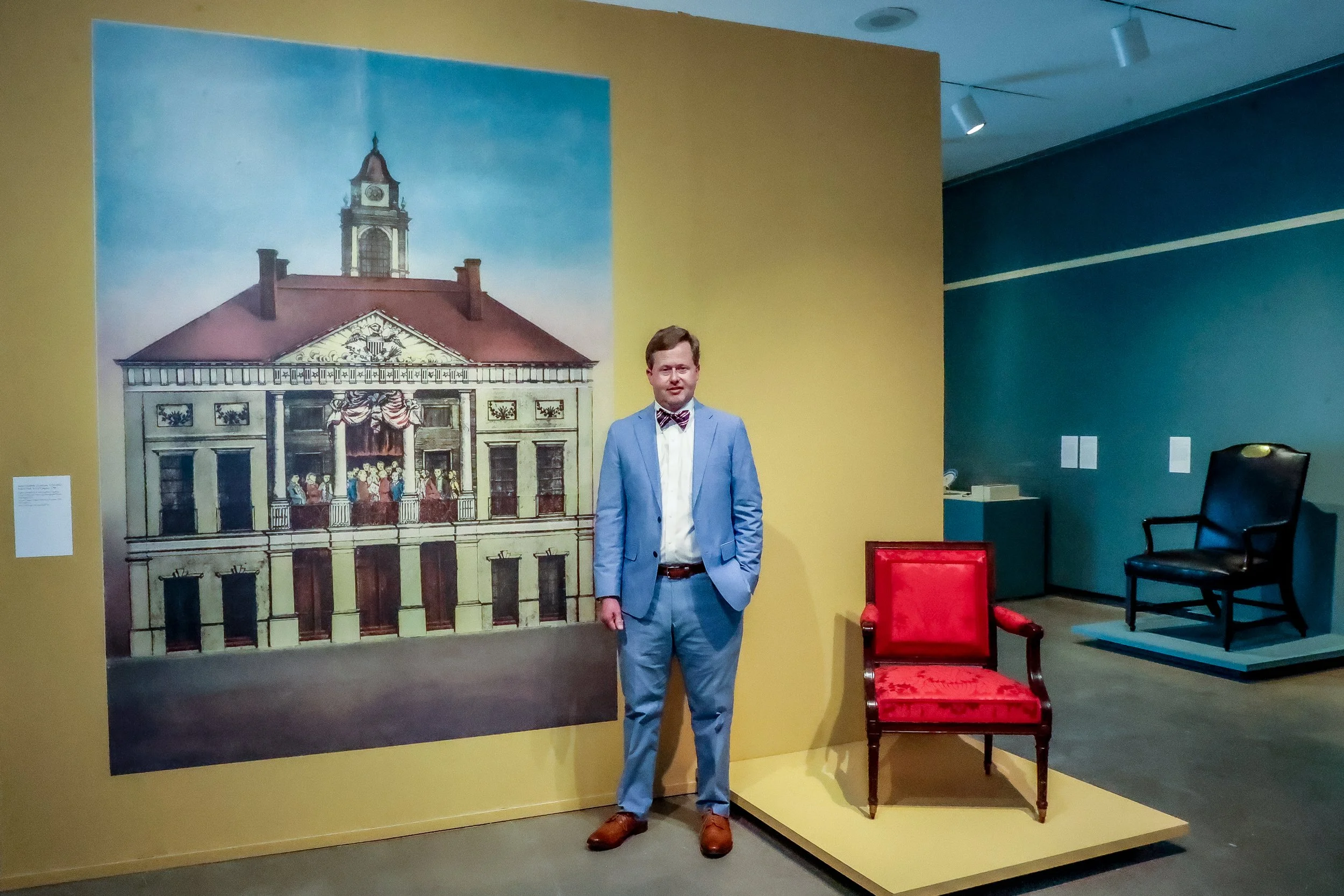
Jenrette Foundation’s Curator and Director of Collections Grant Quertermous guest curated “Diplomacy at Home,” an opportunity, he says, to tell new stories about some familiar objects in time for the United States Semiquincentennial. Photo by Peter T. Michaelis, courtesy of the Katonah Museum of Art.
Diplomacy at Home: The Domestic Lives of the Founding Families offers a fresh perspective on the people who helped establish the United States by examining the spaces where they lived, entertained, and built relationships.Why did you choose this title for the show? Part of the reason I proposed the phrase “Founding Families” in the exhibit’s title is that I didn’t want to limit the focus to the “Founding Fathers.” I didn’t want to overlook the important roles and sacrifices made by spouses, children, and other family members of those individuals—especially wives of the founders—people like Martha Washington, Abigail Adams, Sarah Jay, and Elizabeth Schuyler Hamilton who were hostesses and advisors and helped to define the social and diplomatic culture of the early United States.
One of the exhibit’s most compelling themes is how the Founders grappled with enslavement. How does the exhibition present that complexity, and why was it important to avoid a simplified narrative? As a curator, I think it’s important to tell the full story—and you can’t look at the Founders, especially their domestic lives, without acknowledging the role of enslavement. This is especially true for the southern Founders who were reliant on enslaved labor for their agricultural endeavors as well as the daily operation of their households. One statistic I saw suggests that 17 of the 55 signers of the United States Constitution were enslavers. Often in history, marginalized voices like the enslaved can’t speak for themselves, but they are certainly present. We see traces of them—like the enslaved man depicted behind the family in David Edwin’s engraving of Edward Savage’s “The Washington Family”—this is possibly William Lee, Washington’s enslaved valet. Even less frequently do we get to hear the perspective of the enslaved on our nation’s history.
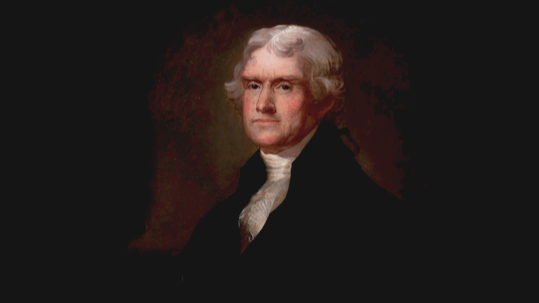
Diplomacy at Home: The Domestic Lives of the Founding Families
June 28 -October 4, 2026
How do the objects you’ve selected bring these stories to light? That’s why I wanted to include a copy of Paul Jennings “Colored Man’s Reminiscences of James Madison”—an 1865 pamphlet written by President Madison’s formerly enslaved valet. Following his Emancipation, Jennings was working as a government clerk in Washington when he was persuaded to write his memories of Madison—including recollections of Dolley Madison ordering the removal of the portrait of George Washington in 1814 as the British were attacking Washington as well as more personal events such as Madison’s death on the morning of June 28, 1836, as Jennings was present in the room. And another object that lets us consider the role of enslaved laborers within a Founder’s household is a brass chamber door handle that comes from the house in Philadelphia where George and Martha Washington lived for several years during his presidency. Looking at the object, you can think about all the hands who touched it—from President Washington to the nine enslaved laborers who were present in the household and whose names are known such as Oona Judge, who self-Emancipated from the house in May of 1796.
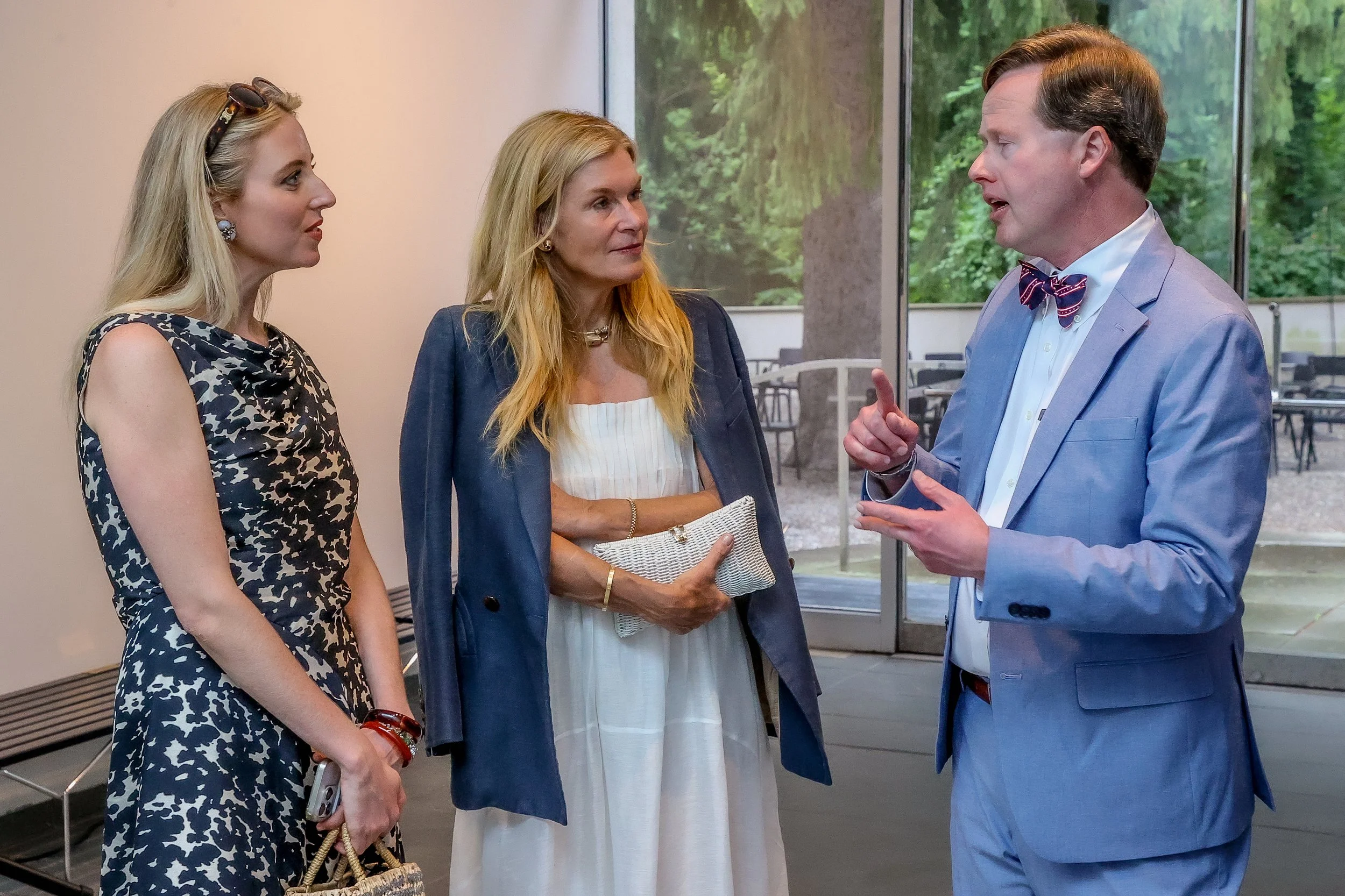
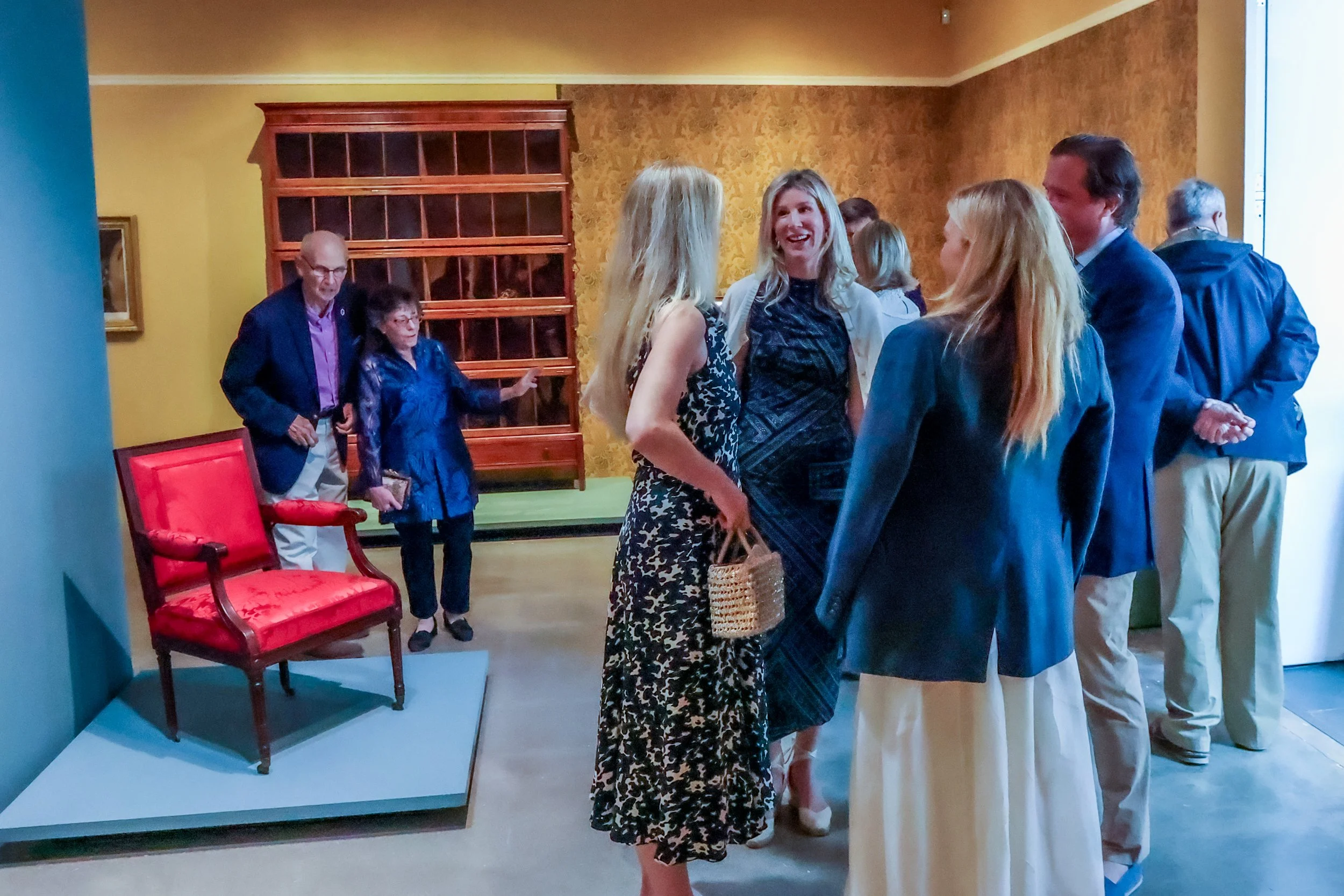
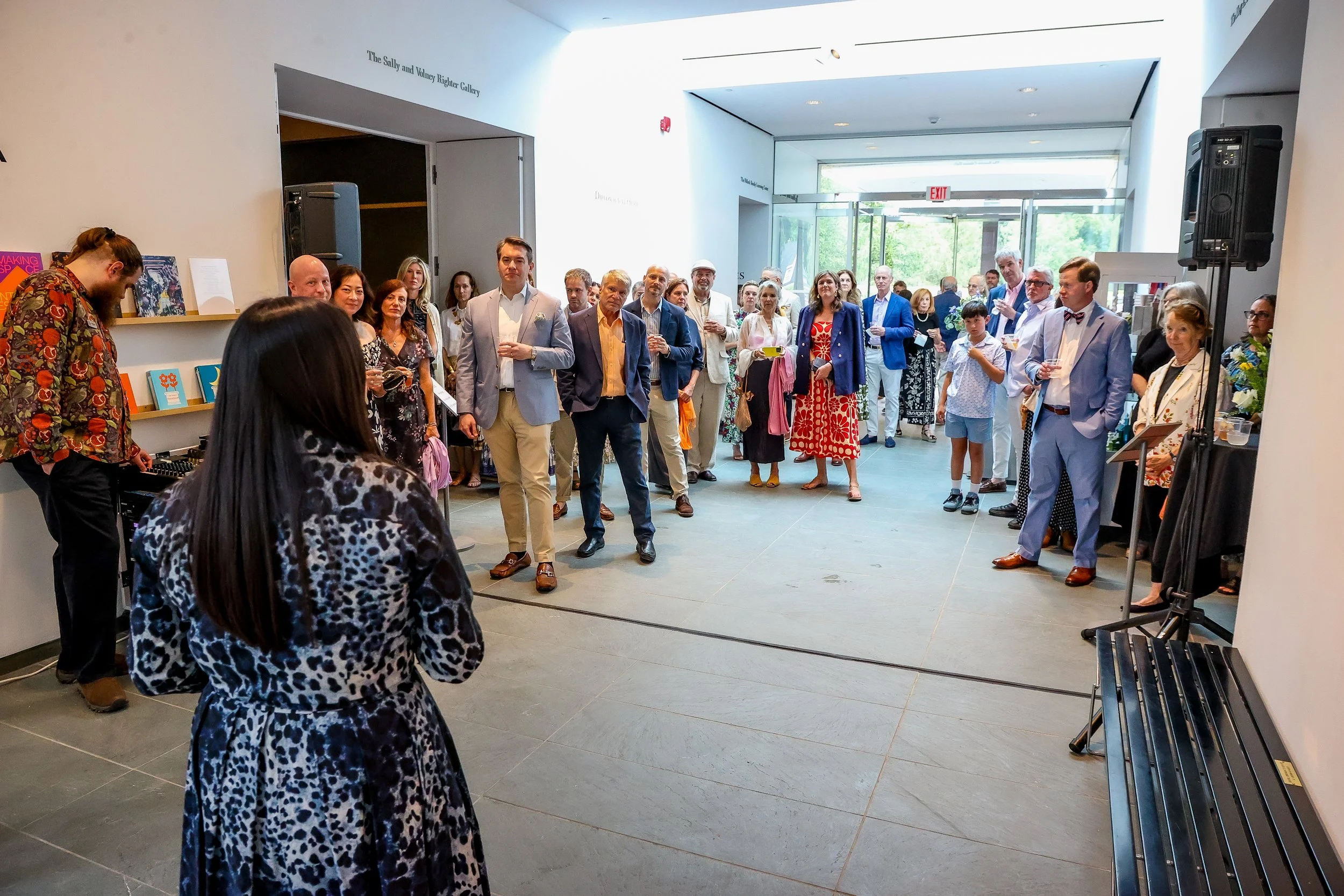
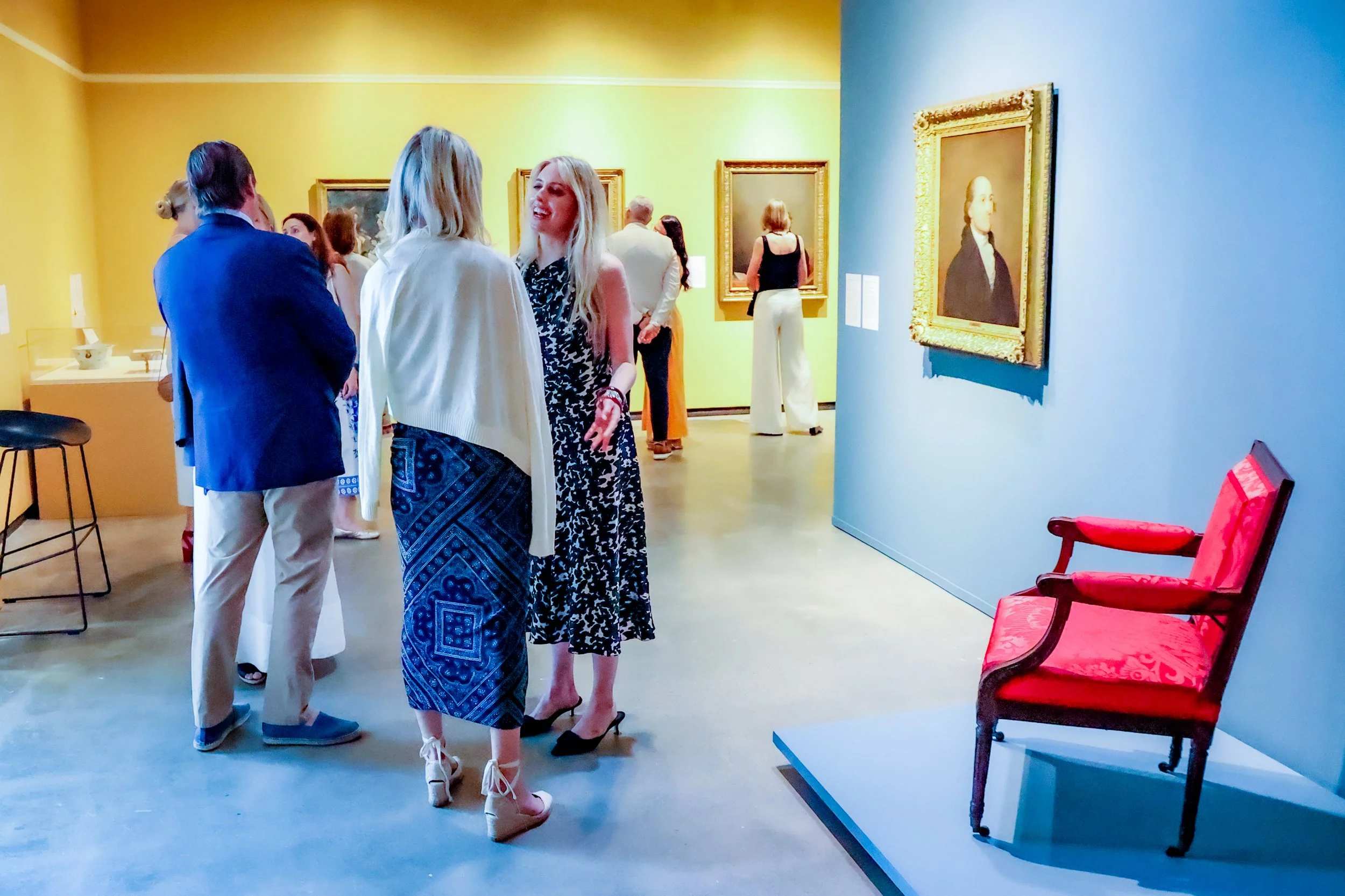
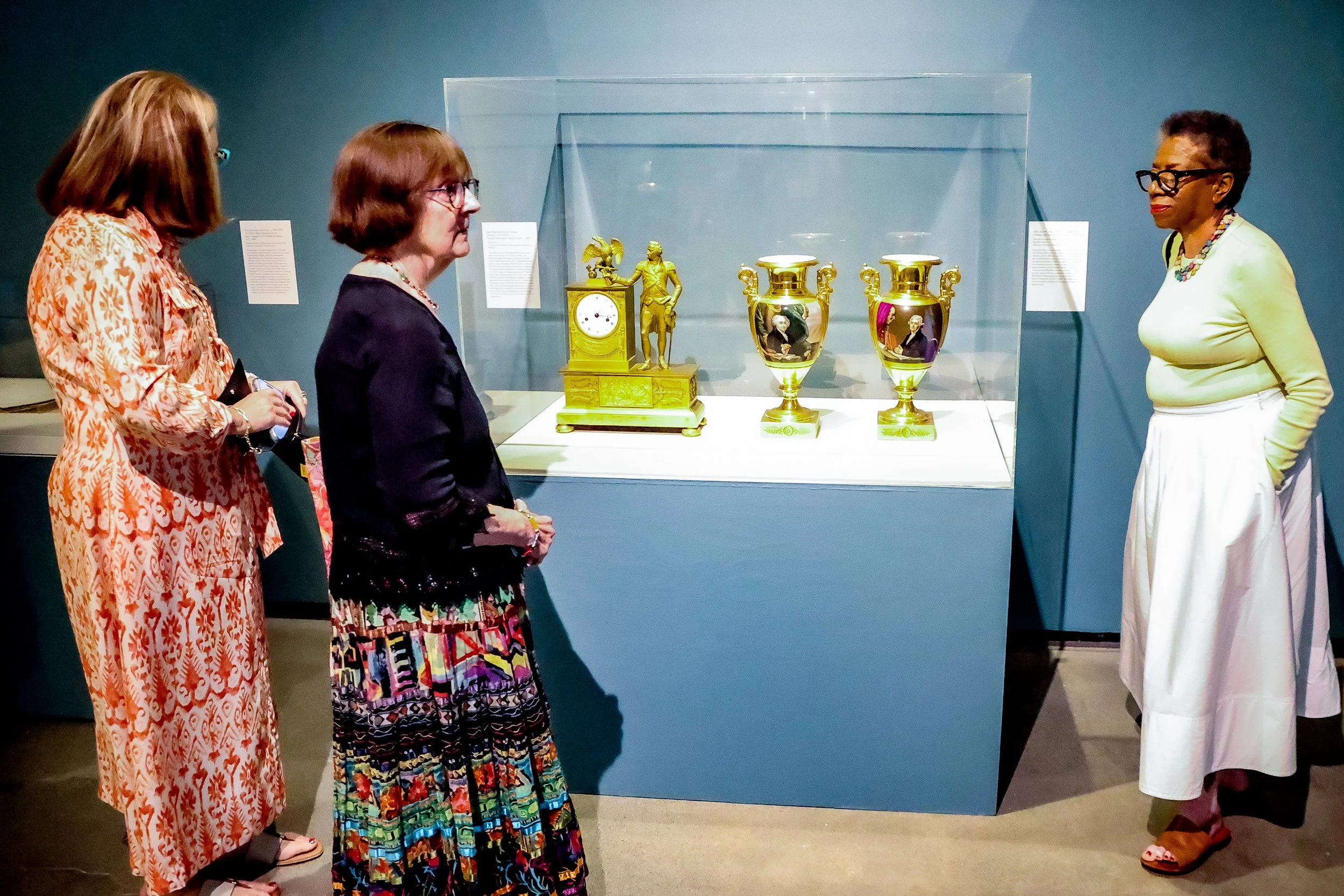
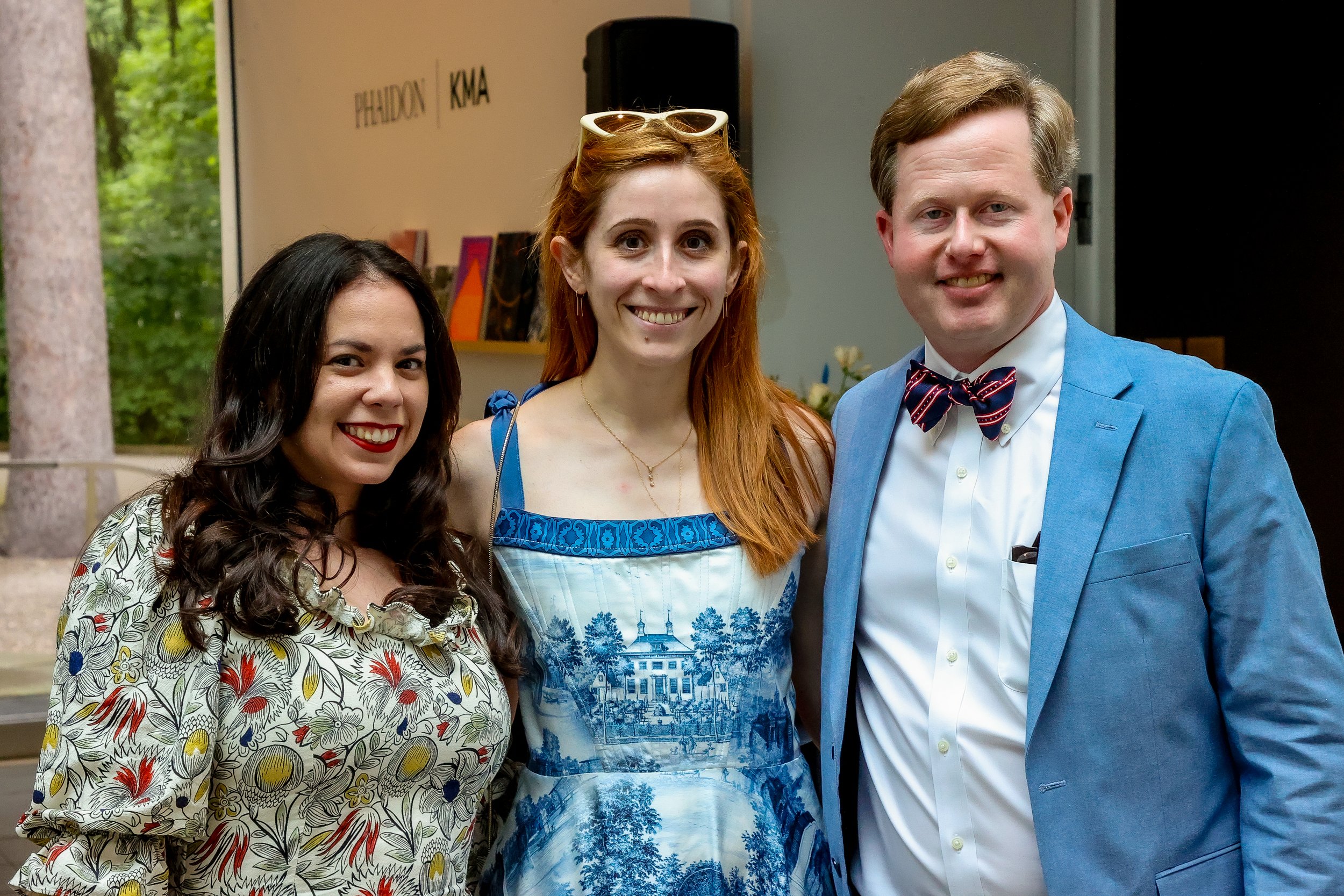
Opening night at the Katonah Museum of Art brought out new and old friends to launch “Diplomacy at Home.” Photos by Peter T. Michaelis, courtesy of the Katonah Museum of Art.
The portrait of Thomas Jefferson in the Richard Hampton Jenrette Foundation collection served as the catalyst for this partnership and exhibition. Can you tell the story of how that single object helped spark the broader project? Yes, the portrait of Jefferson by artist Ezra Ames, copied from a Gilbert Stuart portrait, was the key object that started the conversation that led to this exhibit. The portrait was originally acquired by William Jay, the son of Chief Justice John Jay, in the 19th century, and it was part of the Jay family’s portrait collection until that collection was dispersed by descendants in the late 20th century. Mr. Jenrette acquired the portrait at Christie’s during the sale of that collection in 1986 and displayed it at Ayr Mount. As part of the recently launched Collections Loan Network, we reached out to the Friends of the John Jay Homestead about a possible loan of the portrait for part of their 250th programming. However, the Homestead is presently closed for a comprehensive large-scale preservation project, and conversations about the loan evolved into the fruitful partnership with the Friends as well as with their neighbor just down the road, the Katonah Museum of Art, to present “Diplomacy At Home.”
Collections Loan Network adds depth to shows
In 2026, the Richard Hampton Jenrette Foundation began working with partner institutions to lend pieces from its significant collection of American Decorative Arts and fine art for public exhibition. Learn more about the network and future opportunities to work with us.
Beyond the most recognizable figures like Hamilton and Jefferson, the exhibit features lesser-known figures. What drew you to include them? I wanted to acknowledge the role of all the founders. People who may not be as well known today as Hamilton or Jefferson but played an equally important role in the founding of our nation and during the Early Republic. An example is Rufus King who was originally from Massachusetts moved to New York in 1788 at the recommendation of Alexander Hamilton. He not only represented NY in the U.S. Senate but also served as United States Minister to Great Britain and was even the Federalist Party’s candidate for President of the United States during the election of 1816. He lost to James Monroe in that election, and his loss was the death knell for the Federalist political party. Egbert Benson, who is also represented in the exhibit, attended the Annapolis Convention representing New York, later served in the U.S. House of Representatives, and was the first Attorney General for the State of New York. Other important offices he held included Chief Justice of the New York State Supreme Court and chief U.S. Circuit Judge.
What was the biggest surprise, from a curatorial perspective, for you in assembling this show? I think it was the interconnected web between all the individuals represented in the exhibit—there were allies, political enemies, and life-long friends. People who ran against each other in elections, co-authors of one of the foundational books of our nation’s history, “The Federalist” (Hamilton, John Jay, and James Madison), and people like Benjamin Franklin who helped to establish a diplomatic presence for the young nation abroad.The Jay family actually lived for a summer with Franklin in his house in the Parisian suburbs. Highlighting so many interesting stories and having such great objects to present those stories is what made it such a fun exhibit to curate.
What do you hope visitors take away from this exhibition as a contribution to the 250th anniversary. I want visitors to understand that the founders were human, that they sat on chairs, wrote at desks, ate dinner off plates. History is always so much more than names and dates. To borrow a line from the Broadway musical “Hamilton,” the objects that you see displayed in these galleries were literally in “the room where it happened” whether that was Benjamin Franklin’s library, Thomas Jefferson’s Dining Room, or the Senate Chamber in Federal Hall. These objects are our nation’s history, the collective material culture of an experiment now 250 years old.
Diplomacy at Home: The Domestic Lives of the Founding Families is organized by the Katonah Museum of Art in collaboration with the Friends of John Jay Homestead and the Richard Hampton Jenrette Foundation in conjunction with the town of Bedford’s REV UP 250 initiative. The exhibition is guest curated by the Richard Hampton Jenrette Foundation’s Curator and Director of Collections Grant Quertermous.