
Author: William Richards, Ph.D.
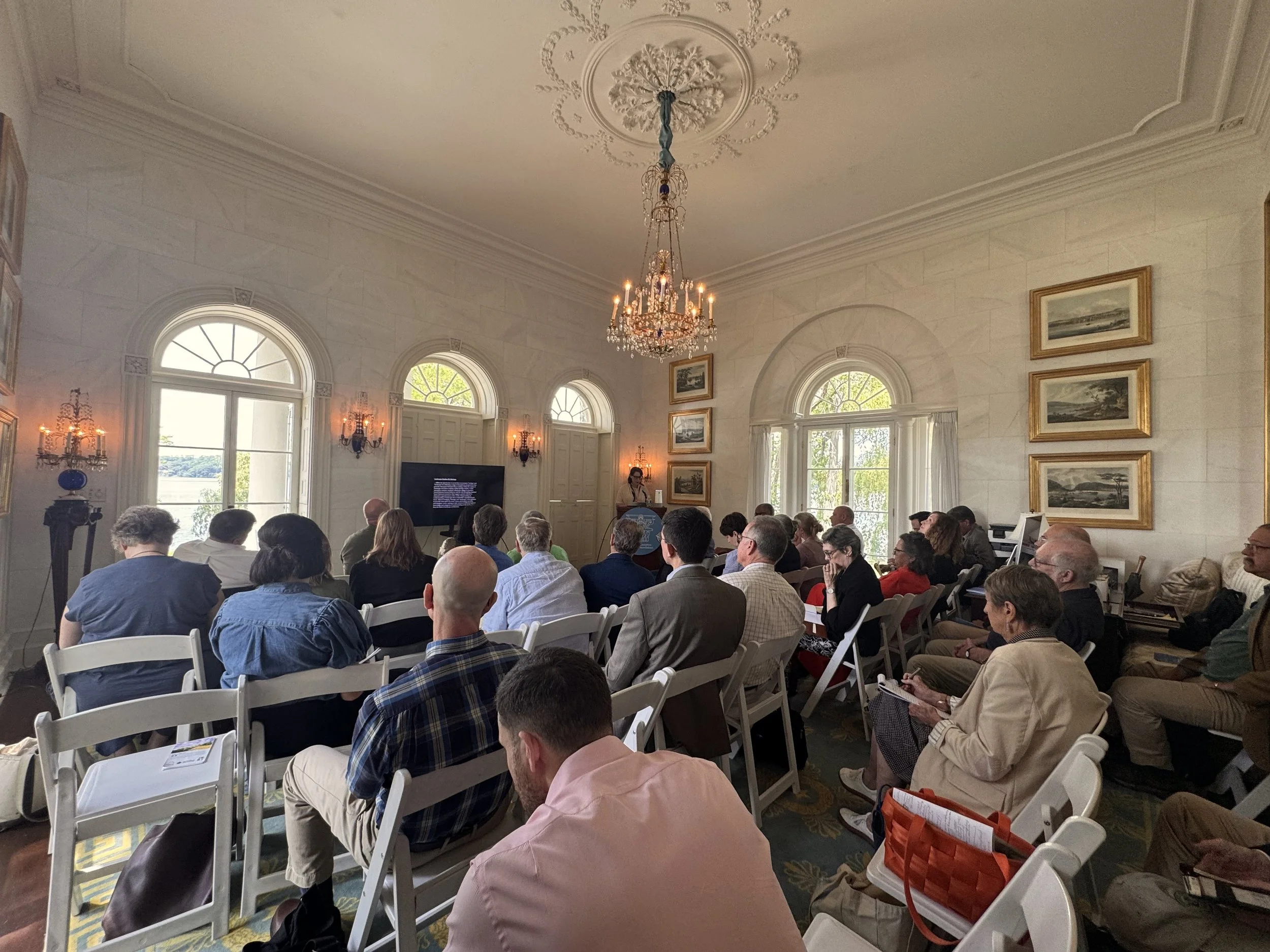
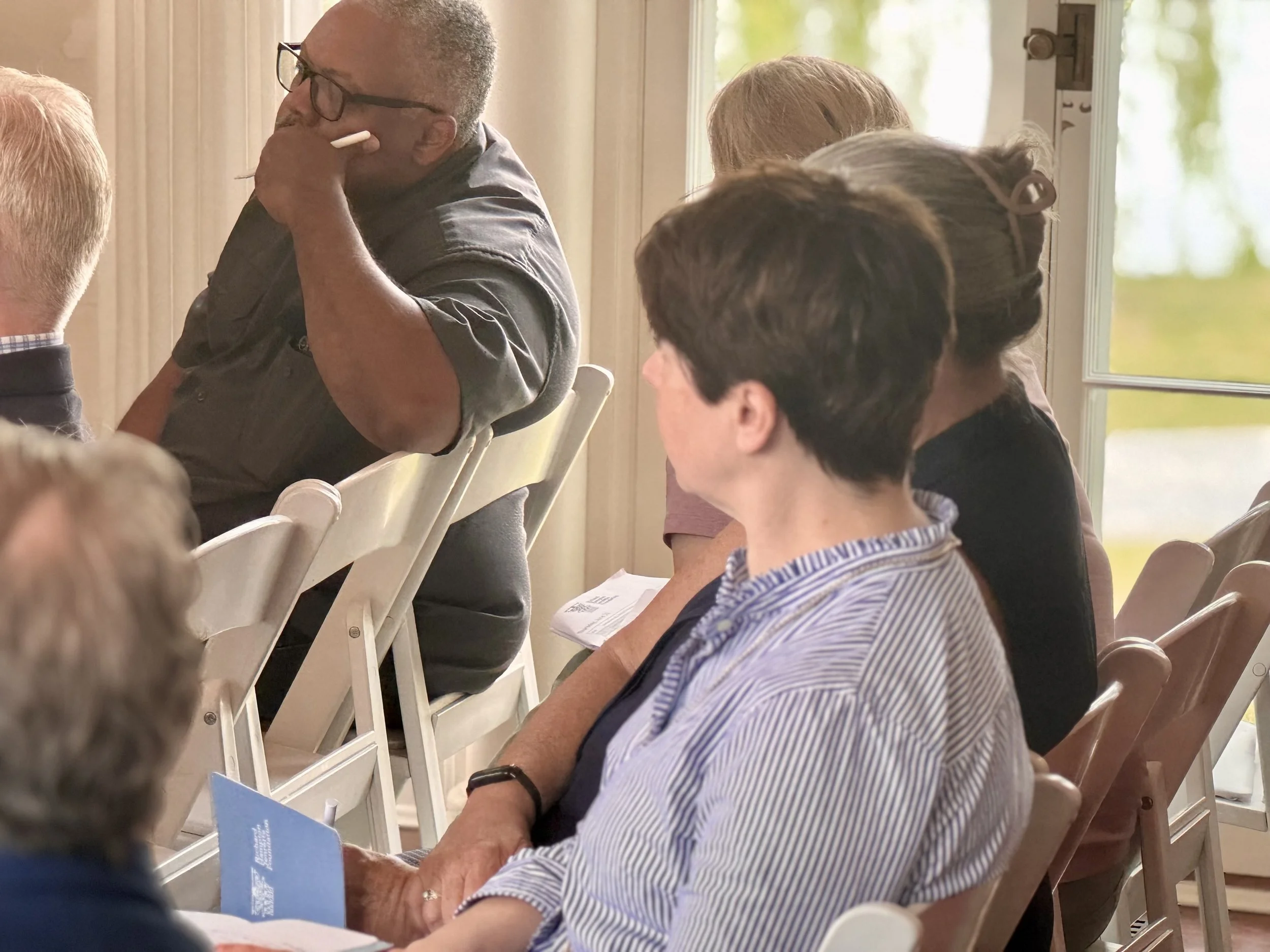
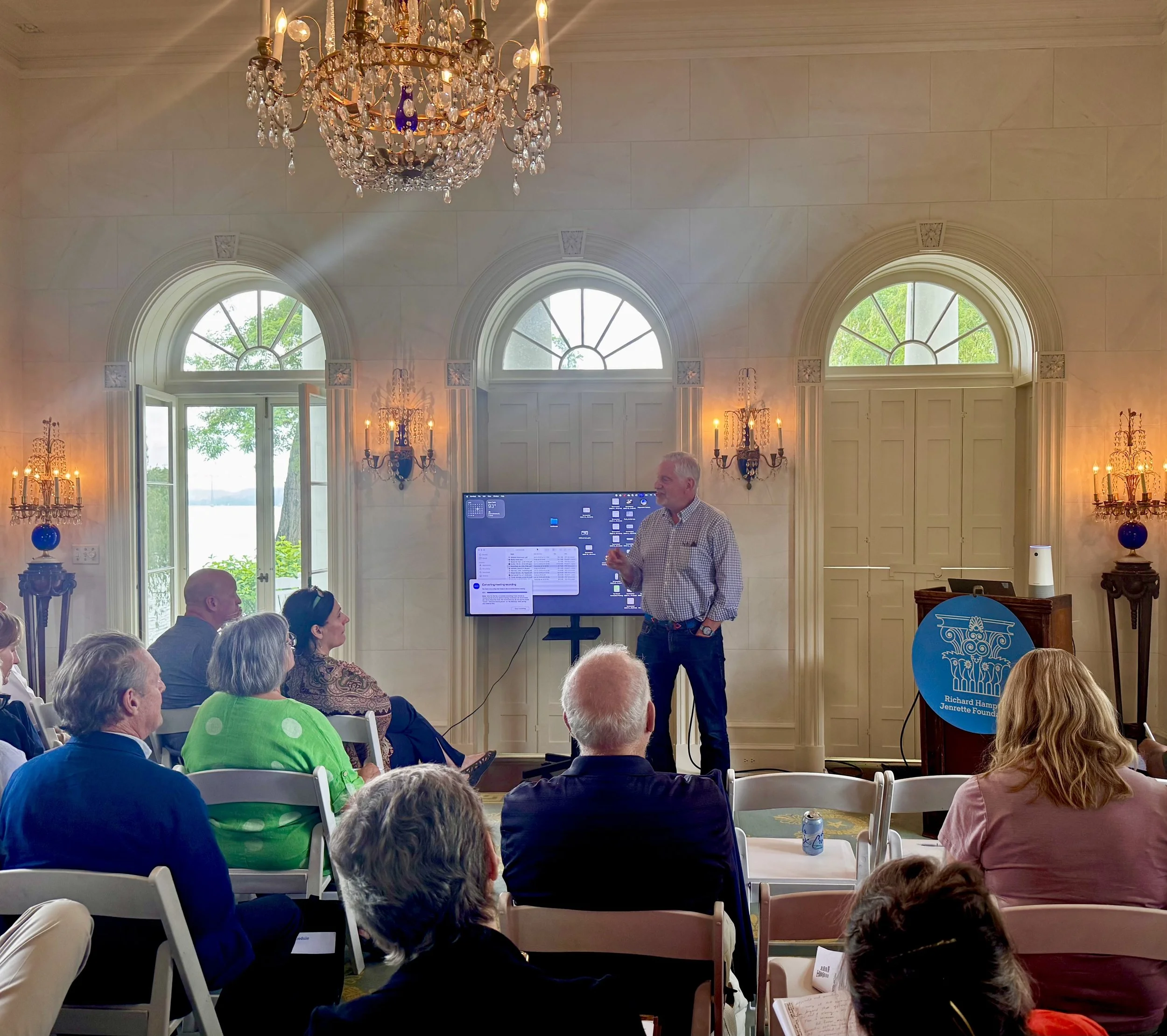
Historic and cultural landscapes are having a moment in our news cycles, creating a critical opportunity to examine their disciplinary foundations, and across the United States, debates about history, identity, land use, memory, and stewardship are increasingly playing out through landscapes. On June 11, the Jenrette Foundation convened researchers, practitioners, and cultural leaders at Edgewater to examine how we should understand, teach, and care for landscapes as cultural artifacts and living sites in the 21st century. One goal emerged by the end of the day, however: how to embrace fixed principles and continual change—a working redefinition of "stewardship," itself.
To explore that question, the Jenrette Foundation convened a diverse group individuals whose work spans landscape architecture, archaeology, cultural geography, historic house museums, nonprofit leadership, public policy, and preservation. Their conversations framed cultural landscape studies at a moment when both the field and the landscapes it seeks to interpret are undergoing profound change.
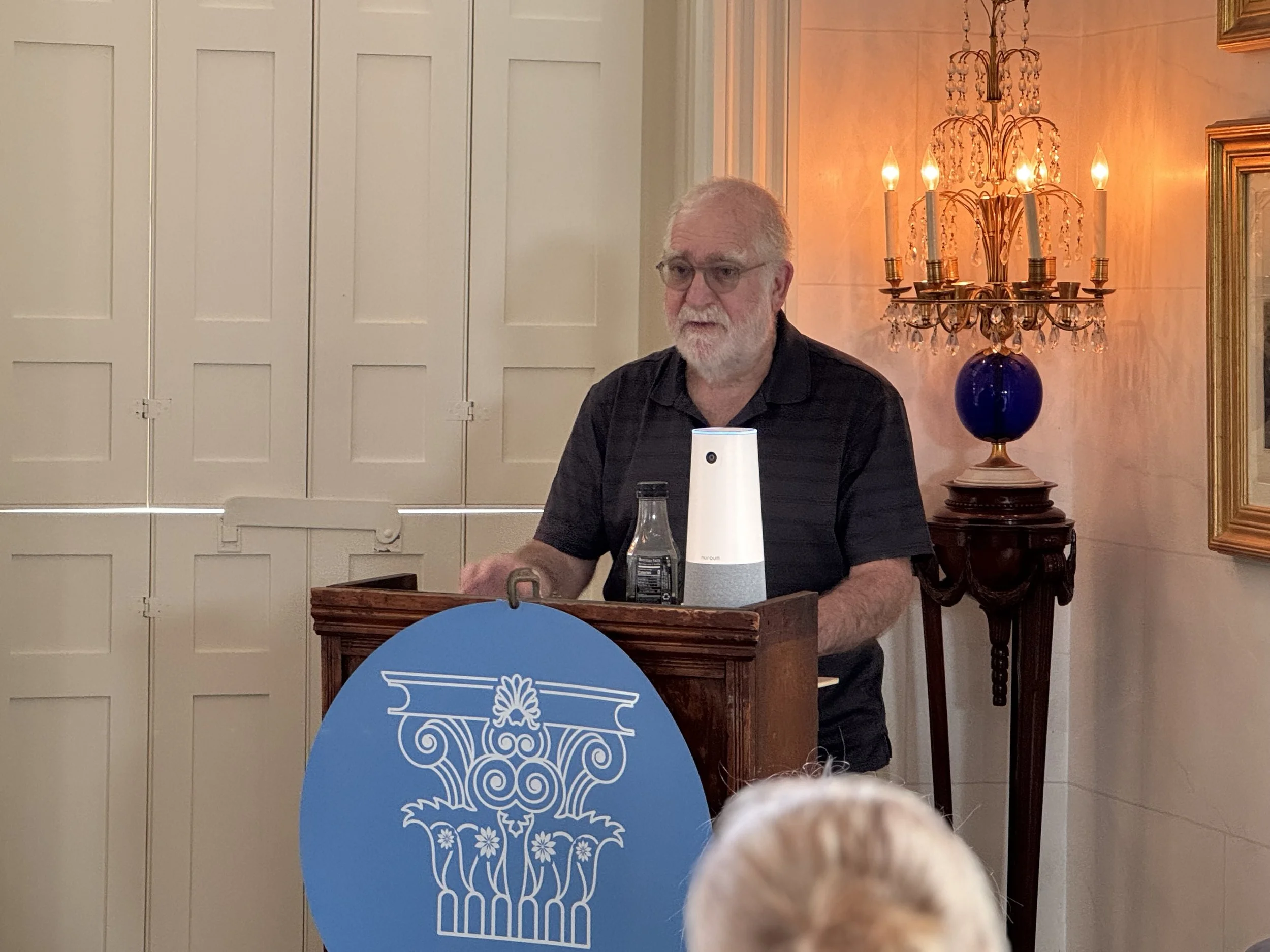
“As a point of departure, this Jenrette Foundation convening as a way of embracing non-living objects and homes and preservation—as it does—as well as cultural landscapes, which are about both protection and change, simultaneously,” said Charles Birnbaum, founder of The Cultural Landscape Foundation, who kicked off the convening on the afternoon of June 10. “If I were to look at this through the lens of what’s happening, the public thirst for cultural landscapes—and the continuum of heritage—is overwhelming. The public is paying attention and we should use this as an opportunity to broaden their lenses,” said Birnbaum. “Although we are in a triage moment now, we should be aspirational and ambitious.”
Cultural Landscapes are About Change
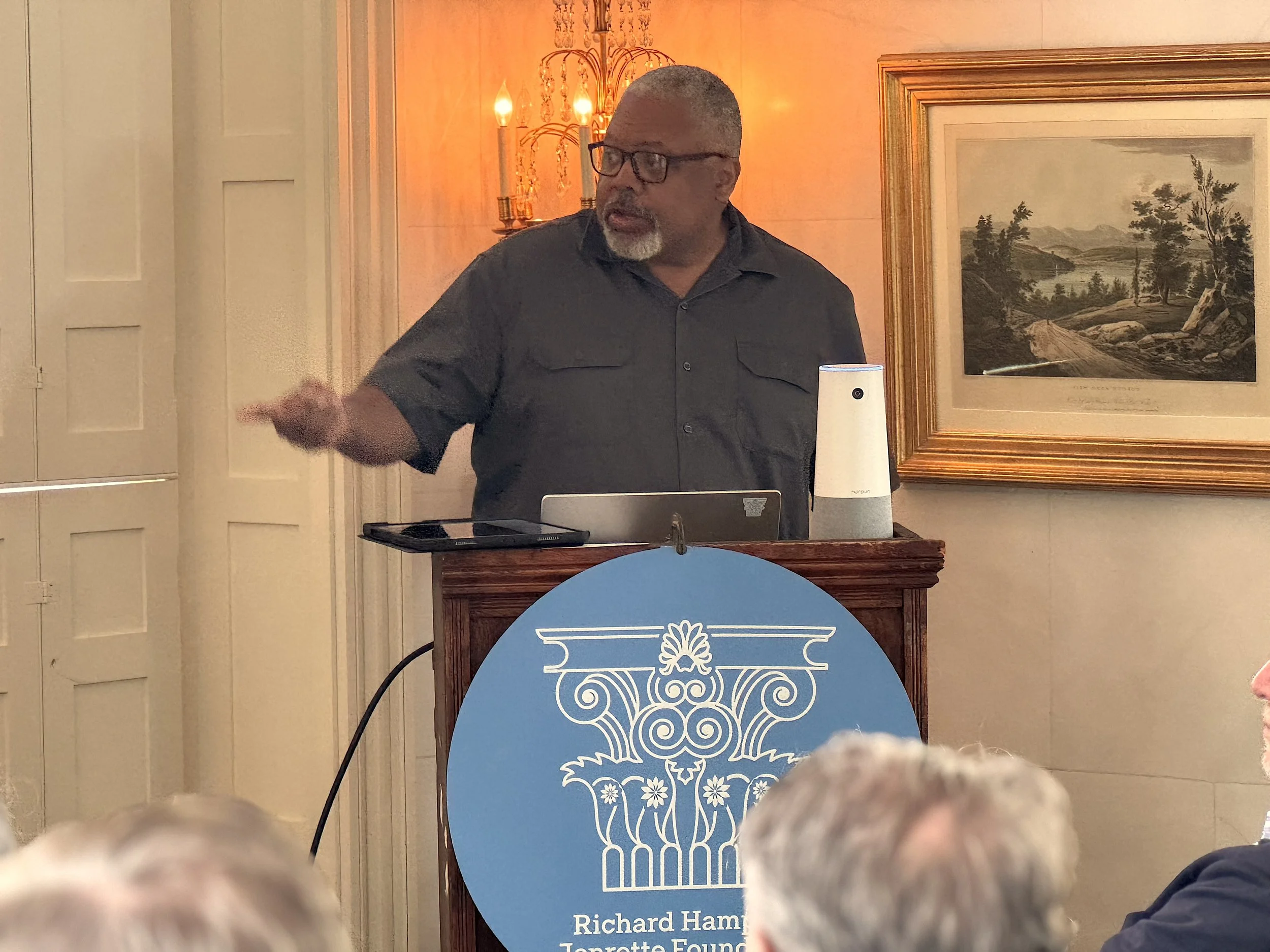
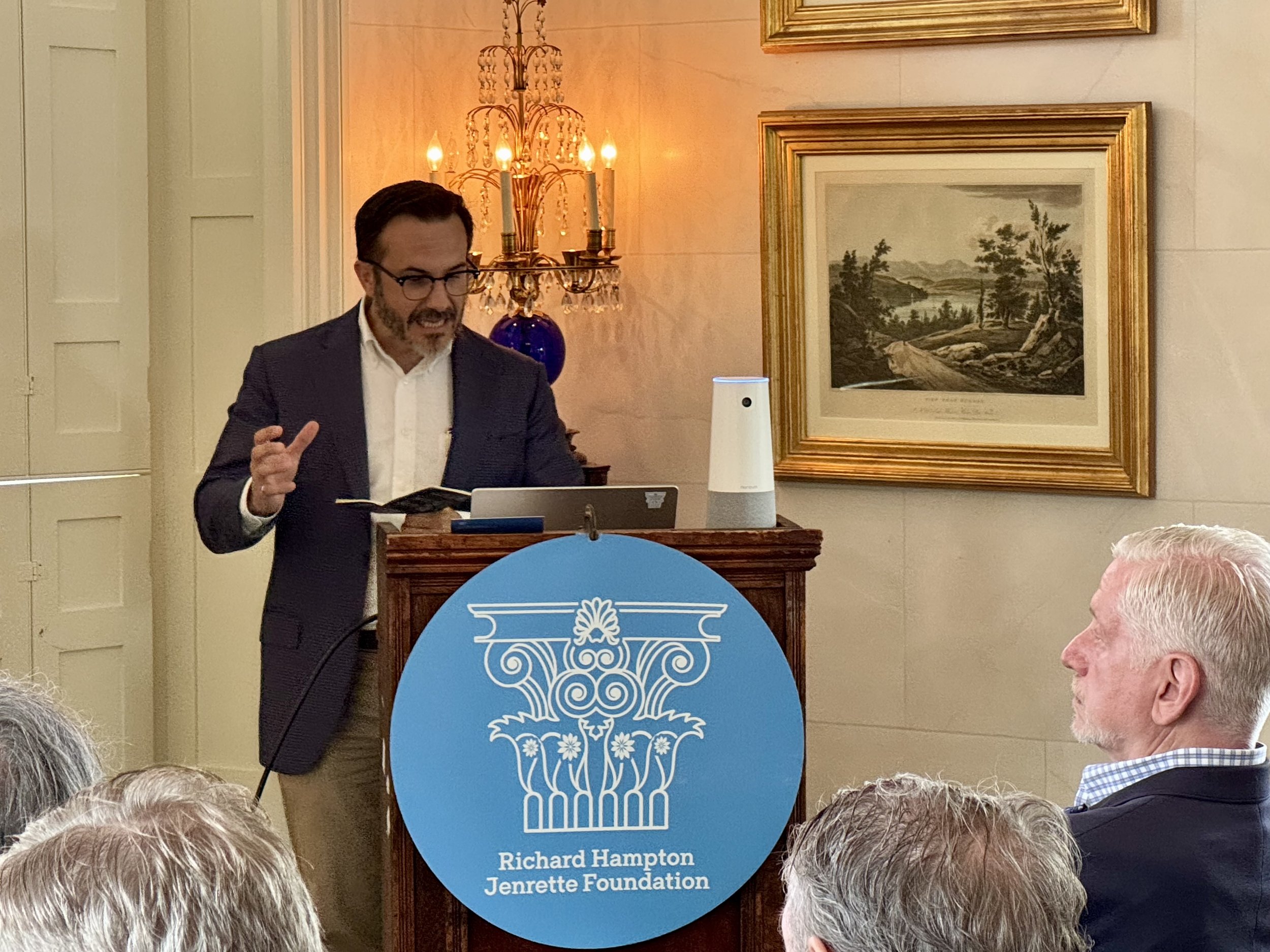
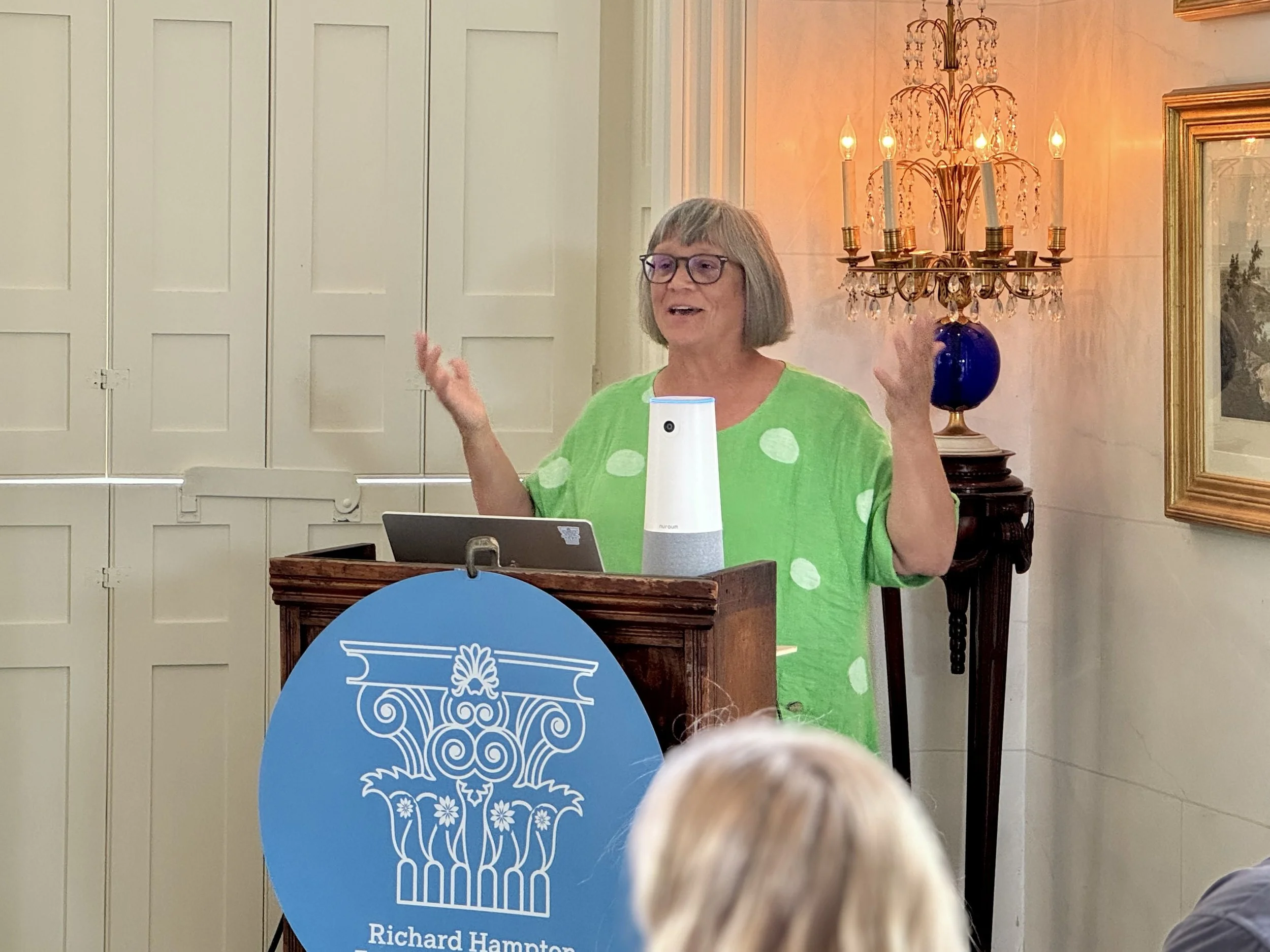
While cultural landscapes have become increasingly important to preservation, planning, design, and public history, opportunities to study them remain uneven. Finding fixed points of reference to codify their study and practice are just as important as embracing the change inherent in landscapes, which raises important questions about stewardship, a concept borrowed from historic preservation. The goal of “stewardship” as we think of the term colloquially, says Louisiana State University Professor Emeritus Suzanne Turner, is to maintain the preserved condition of a building, and that can’t be farther from what we’re talking about in terms of cultural and historic landscapes. Botanical elements grow and change, and the balance of ecological systems shift over time. The larger landscape patterns that define places, she says, are the ones we often fail to recognize. They are distinctive and vulnerable. “Cultural landscapes are about change,” she says, “and change is the inevitable path of history. If we devalue the change evident in landscapes, we have failed.” In her 50-year career, one thing remains true, says Turner, “What matters above all are layers and people; if you don’t have a story, you cannot justify preservation.”
Memory was a major through-line during the convening—another term borrowed from historic preservation theory. The University of North Carolina’s Jon Marcoux critiqued the term “landscapes of memory,” which he says disassociates us from being agents of a landscape’s change, and “memory” implies that the people who populate this landscape no longer exist. Instead, he says, “We need to start identifying ‘living heritage landscapes,’” which acknowledge not just change but the roles we all play—the links and ties that drive economies, identities, vocations, and even memory.
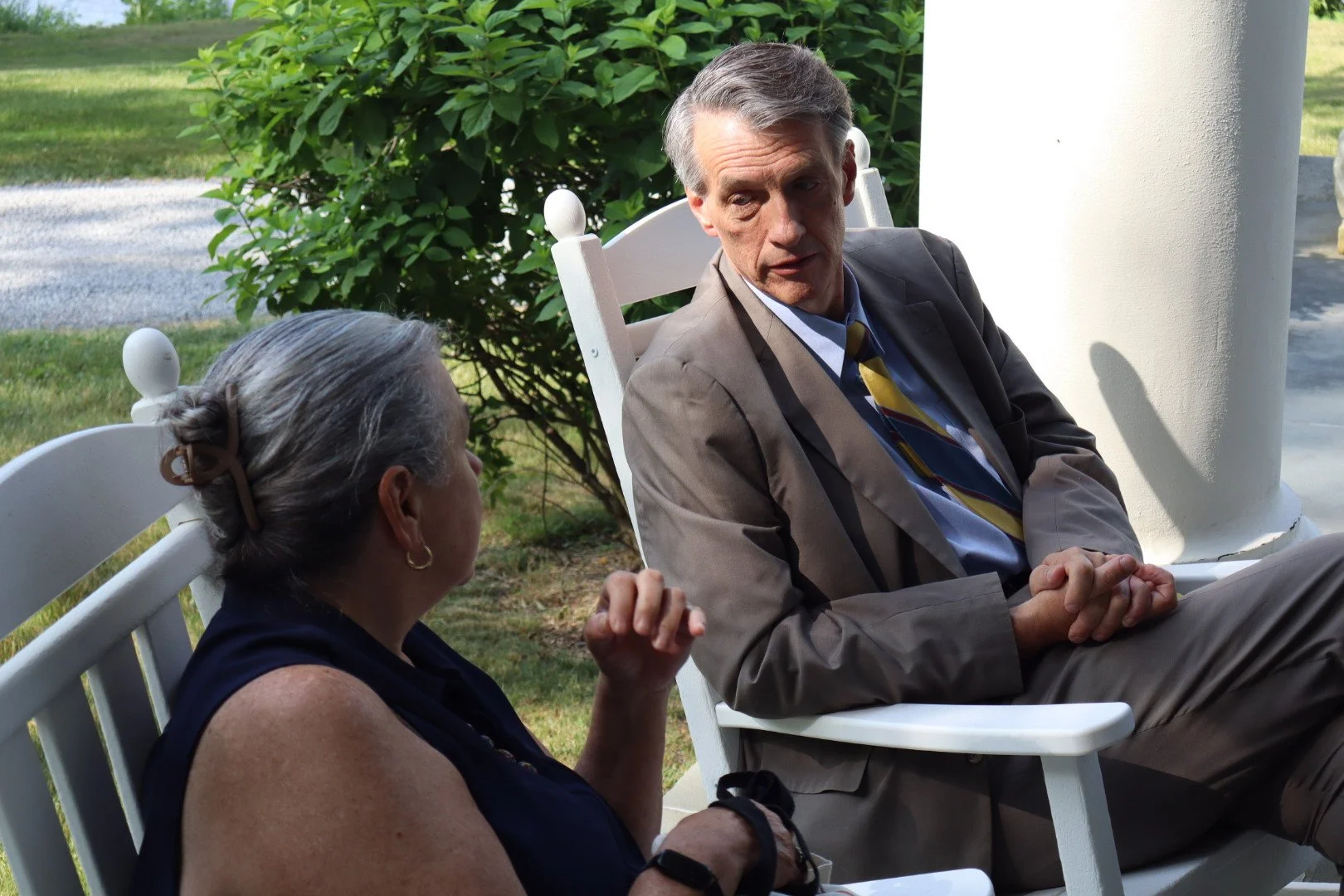
Speaking about his field work, North Carolina State University’s Kofi Boone argued that focusing on cyclical time rather than linear time, allows what he calls authenticity to emerge as we consider topics related to site, landscape, history, and interpretation. Speaking about his field work in Princeville, in the sandhills of eastern North Carolina, he asked the group to consider climate, and the important questions it raises about inevitable relocations and migrations from vulnerable areas to more stable ones. Can we relocate site-specific and place-based culture, he asks, and can the historical fabric that we all seek to preserve expand to new places while also no longer existing in others? Culture is portable as a principle, and as we’ve seen so many times in so many places, but how do new ecologies influence the traditions, languages, foodways, and arts that define it?
Pratt Institute’s Rosetta S. Elkin offered a different perspective on change. The evolutionary landscape is written by first-hand experiences, she said, such as hiking a quarry or plucking flowers from the cracks in the sidewalk, in reference to Donald Meinig’s seminal work from the 1970s. How we choose to transform the so-called “natural world,” is our real legacy, so how we choose to study these transformations has to be nimble and flexible. “If we want to know ourselves, we must investigate the landscapes we’ve created, neglected, enhanced, destroyed, and maintained,” said Elkin. Transformation, she suggests, is generally antithetical to preservation theory and history, but the landscape offers fertile ground for us to reconsider our contributions—yesterday and tomorrow—to the everyday world.
Lifeways, Landscapes, and Language
Cultural landscape preservation stands at a crossroads, said the University of Oregon’s Robert W. Melnick, who traveled to Barrytown from Eugene, to set the tone for the afternoon session. As environmental change accelerates, cultural narratives evolve, and preservation practice confronts new social and ecological realities, long-established frameworks are proving increasingly inadequate. He argued that cultural landscapes should no longer be understood as a distinct historic resource category isolated from broader natural and cultural systems. Instead, they must be approached as dynamic places shaped by continuous interaction between people, environment, and time.
“For starters, the cultural landscape does not exist without human interaction and human activity that define everyday life,” said Melnick, challenging practitioners to reconsider foundational concepts including significance, integrity, preservation, and stewardship. He questioned whether existing preservation tools—particularly those rooted in static understandings of historic significance—can adequately address landscapes characterized by ongoing change. Climate adaptation, Indigenous perspectives, evolving cultural values, and interdisciplinary collaboration all demand more flexible approaches.
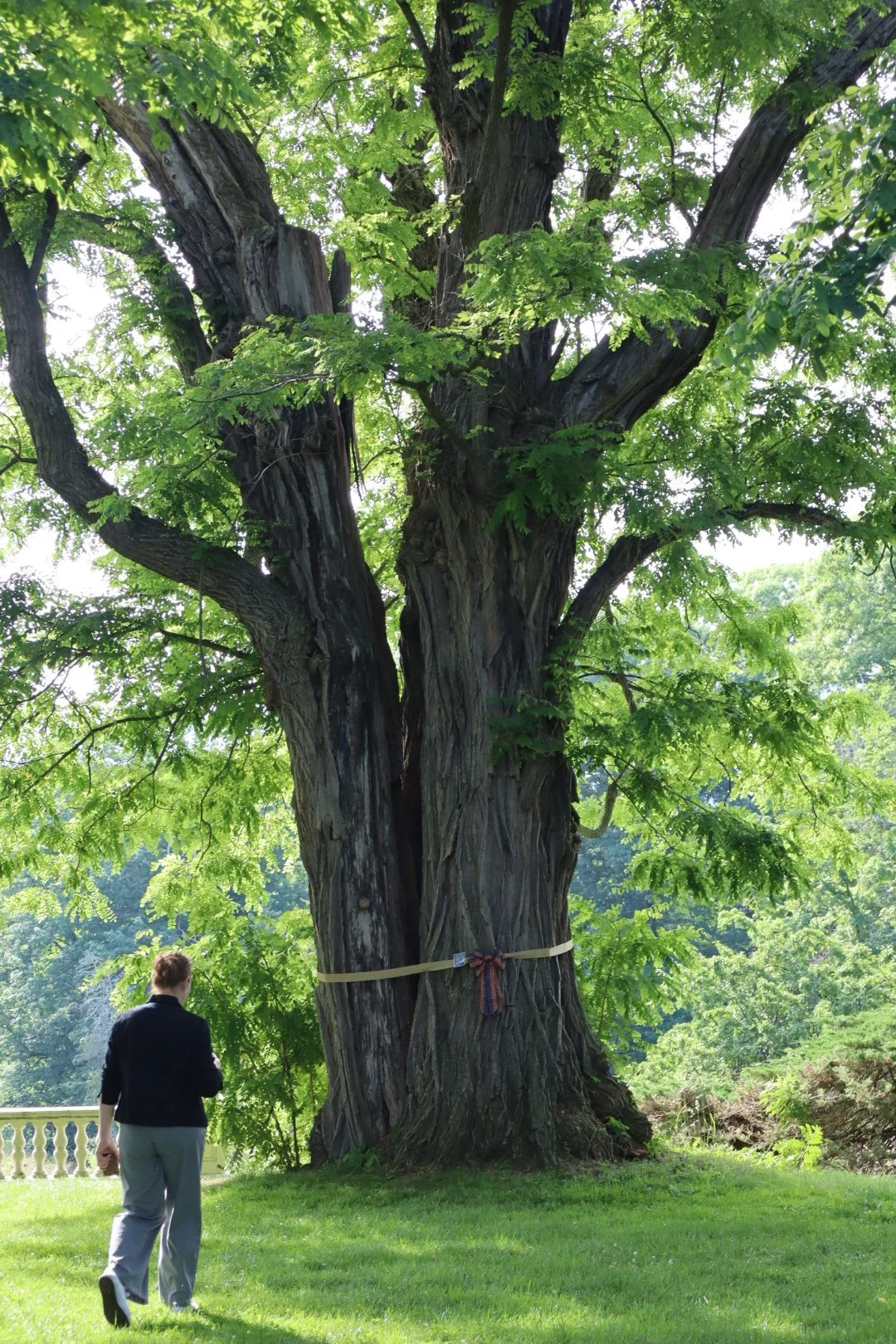
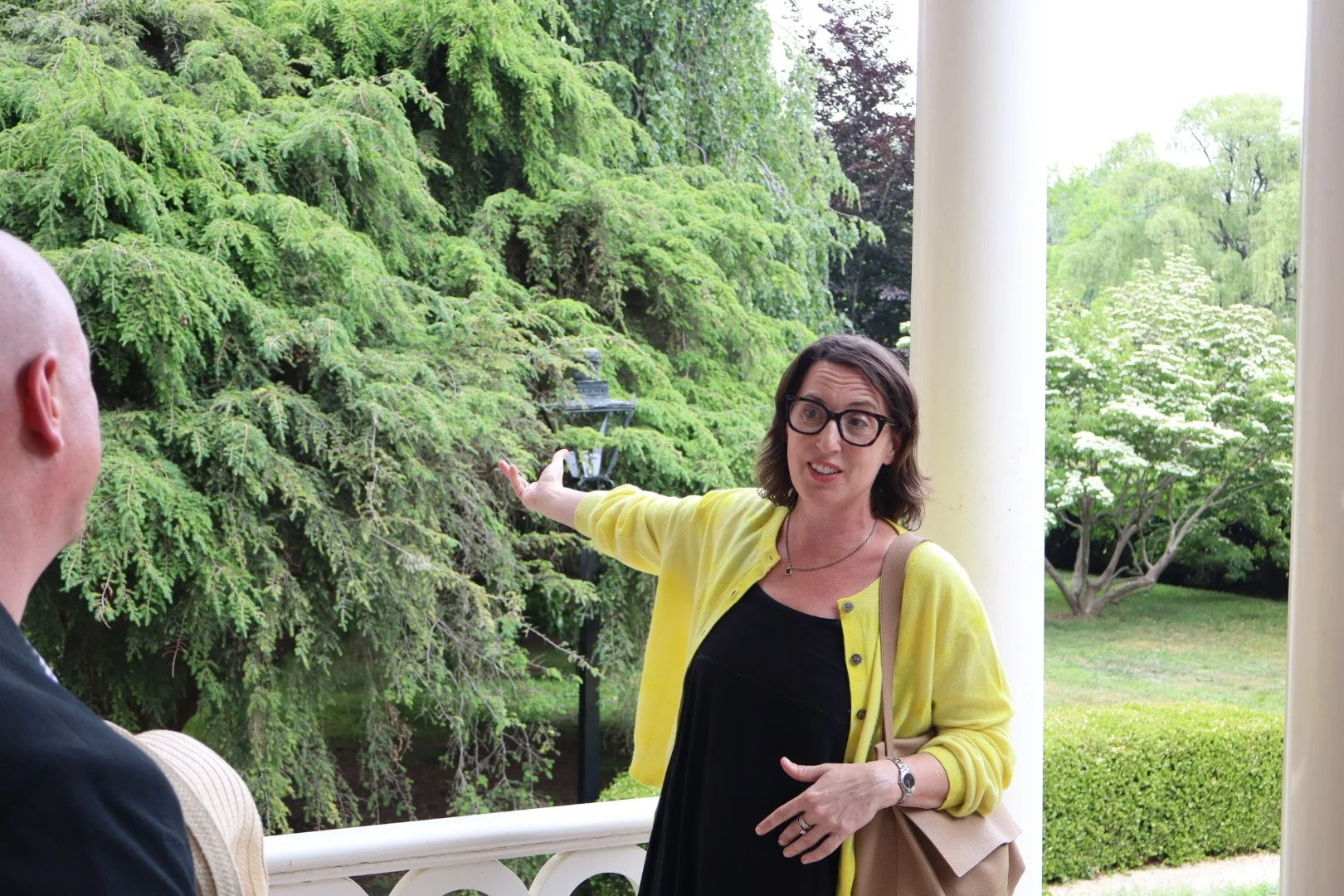
The convening’s participants were treated to a tour of Montgomery Place, managed by Bard College, discovering their centuries-old “witness trees,” present during the American Revolution including this black locust—a hallmark of Livingston properties (including the Jenrette Foundation’s Edgewater).
Language emerged during the afternoon session as both an unavoidable tool for historic and cultural landscape practitioners and researchers, as well as an area worth interrogating. Terms such as “historic,” “vernacular,” “sacred,” “working,” “designed,” and even “cultural landscape” itself carry different meanings across disciplines. What seems self-evident in one field may be contested in another. Yet participants argued that these differences should not be viewed solely as obstacles. They also create opportunities for new collaborations, new methodologies, and more expansive ways of understanding the relationship between people and place.
The University of Georgia’s Cari Goetcheus pushed into different territory, focusing on nomenclature and terms that drive so much about how landscapes are conceived, understood, and protected. Interdisciplinary approaches to place are the new baseline for understanding. Purpose and value are assigned, in the end, she said, and the intrinsic quality of a place that matters today—and has mattered to different groups over time—is its complexity.
“Why do we have to put the word cultural in front of landscapes?” asked Goetcheus, “Because we do–-it’s the only way we can make sense of it. But, it’s important to learn from other groups in the United States and certainly in other countries, for which ecological knowledge is intermingled with cultural knowledge.”
When we add ecology, geology, and ethnobiology, for instance, we add the vocabularies of those disciplines, which often belies the simplified definitions that, say, the National Park Service or UNESCO proffer. Other approaches to definitions are what Goetcheus calls the “kitchen sink” approach—inclusive, almost to a fault. “We have to understand interdisciplinarity along with terms and definitions,” she said, “and often that’s a function of ‘controlled vocabularies,’ which control all of us,” now more pertinent than ever as we debate the large language models of artificial intelligence.
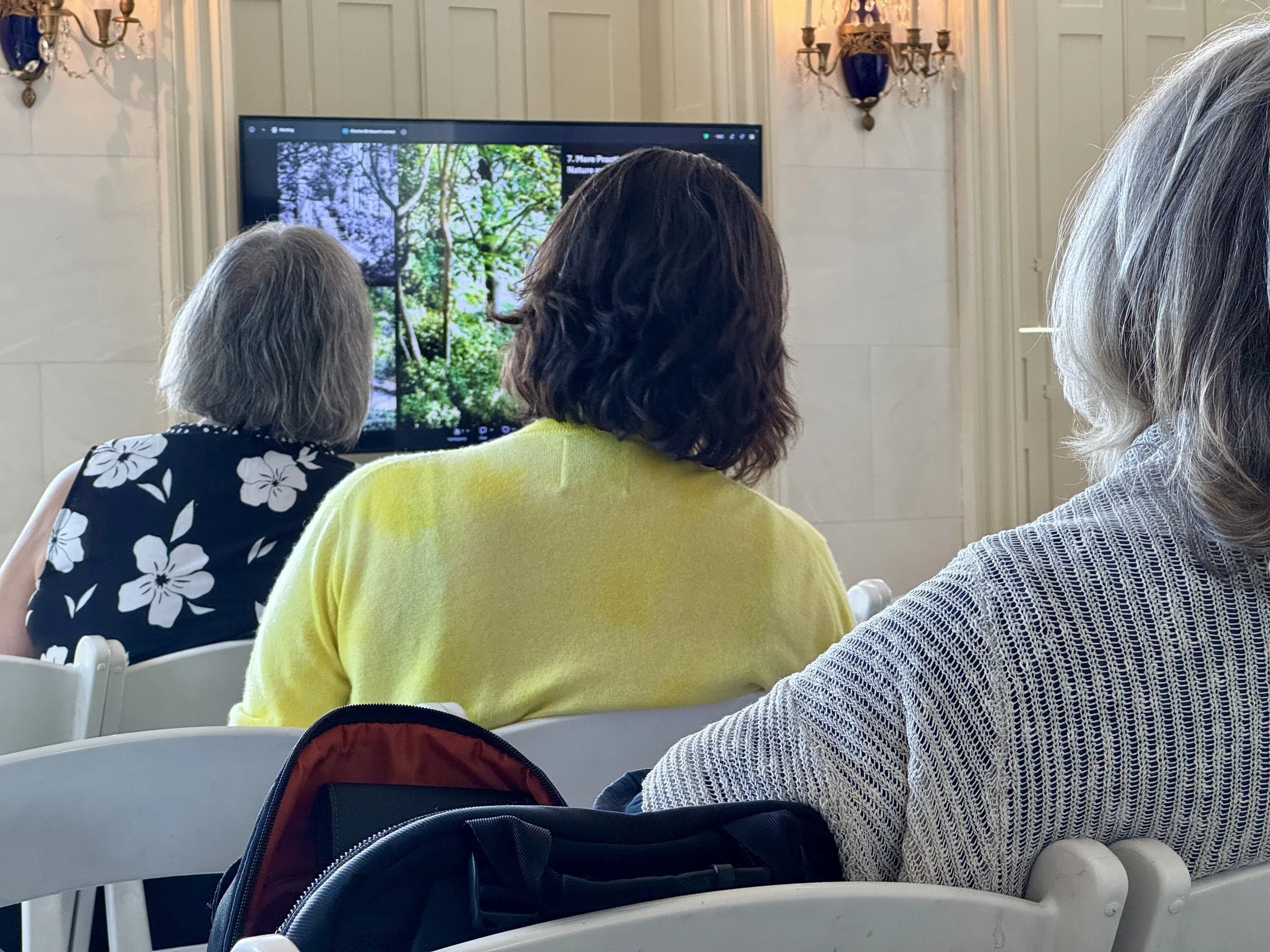
The landscape architect and chair of Harvard University’s Department of Landscape Architecture, Gary Hilderbrand, spoke about one of his projects at Innisfree Garden, originally the work of the painter Walter Beck and the landscape architect Lester Collins, who emphasized landscapes as laboratories and places of pleasure. At Innisfree, Hilderbrand leveraged a cultural landscape report (CLR) to establish a narrative to drive decisions, investment, and interaction for Innisfree’s next chapter, building an interdisciplinary team to understand existing and desirable conditions. “We think of environmental history in certain ways,” said Hilderbrand, “but we should be thinking about how landscape should be shaping environmental culture.”
CLRs are often paired with historic structure reports (HSRs) to document historic resources, understand change over time, and propose ways to conserve, preserve, or intervene. They are foundational documents used by federal agencies, state-, county-, and municipal agencies, as well as private stewards—and they have influenced how we think about landscape research as much as anything else, striking a middle ground between historical accounting and practical next steps. The flipside, say critics, is that CLRs are rigidly bound to fixed time-periods of a landscape’s so-called significance, are too often biased, pseudo-scientific, and are expensive to produce.
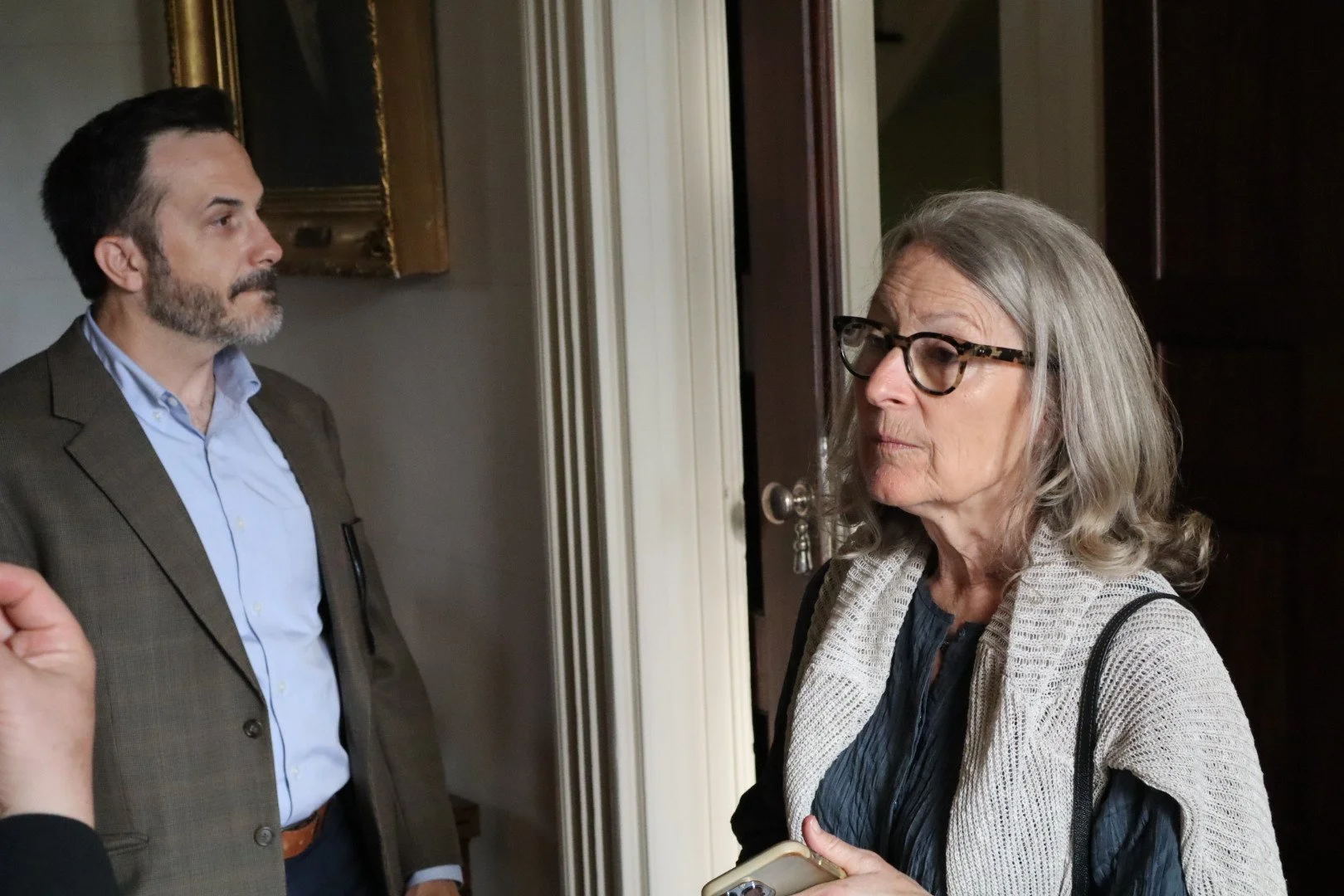
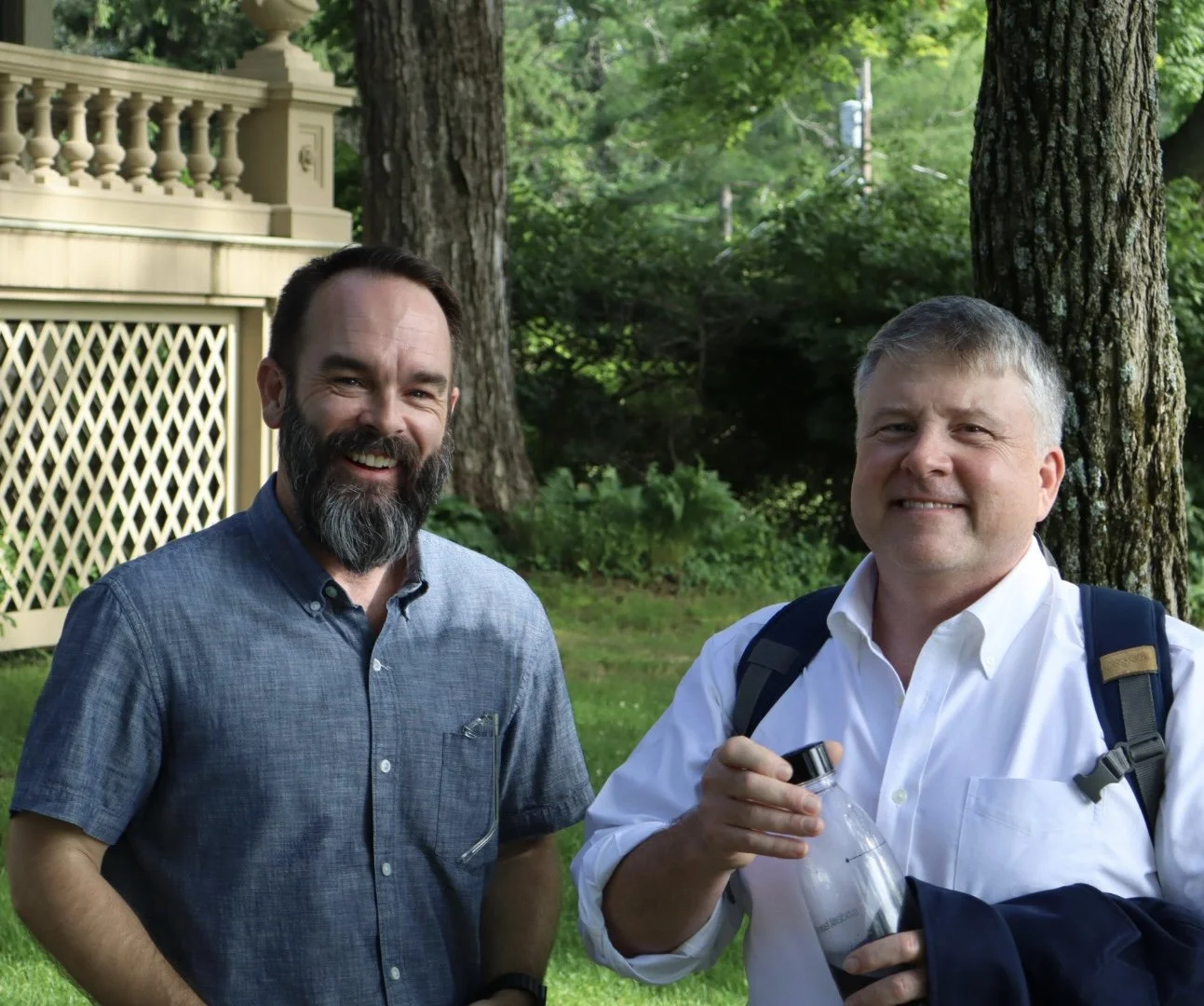
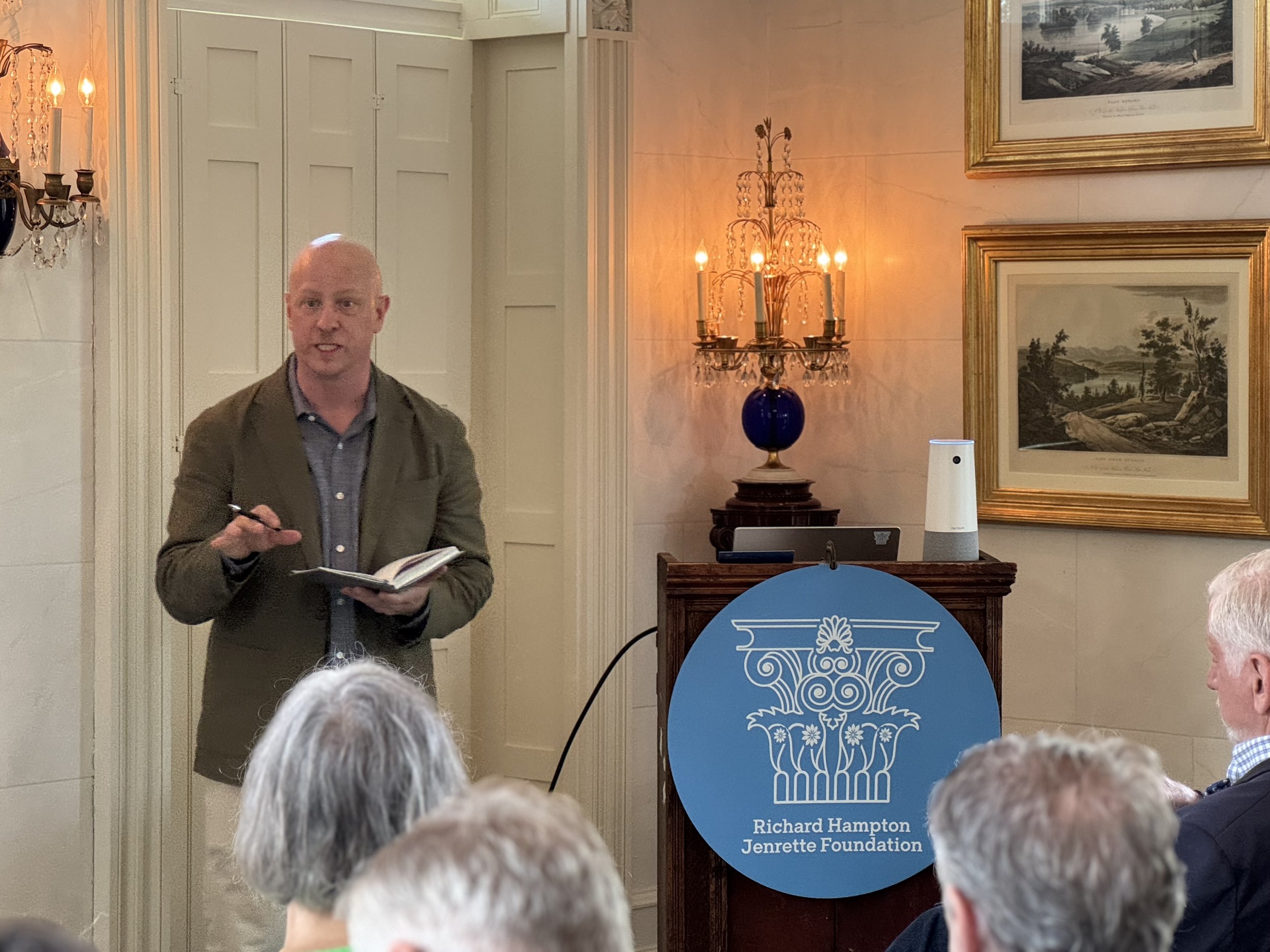
The University of Virginia’s Elizabeth K. Meyer, who directs the UVa Morven Sustainability Lab, critiqued CLRs, saying the sublimation of natural systems and cultural traces, the obsessions with material authenticity, and the reduction of design to a rehabilitation treatment straightjacketed cultural landscape research and design a quarter century ago. It was not only a challenge for practice, but also for teaching—codified by CLRs. There are alternative axioms, she says, that are richer modes of inquiry, especially when we see cultural landscape as an operative approach that accounts for a landscape’s transformation and our desire to intervene.
A cultural landscape approach, said Meyer, should rely on decades of questions within the humanities and deemphasize “material evidence.” Landscapes matter to cultural identity and are commensurate with complex cultural realities and histories. Her axioms? A cultural landscape approach embraces the hybridity of landscape, affords agency to multispecies actors, entangles the designed landscape into the vernacular and ethnographic landscape, and explores places within their networks, interrogates metaphors we use like “archive” and “palimpsest,” transcends preservation, and experiments with new narrative genres. An ongoing, collaborative cultural landscape atlas might be a worthwhile ambition, she said, for a range of people, from site managers to cultural landscape historians.
Provocations for Place
Part of the convening were a series of brief, site-specific “provocations” that focused on specific projects or concepts. Duke Farms’ Margaret Waldock spoke about Doris Duke’s 3,000 acres in New Jersey as a place of ambition and experimentation. “Everything is more than one thing. A building is a capital asset and part of the fabric of the community. A road is a piece of infrastructure and a disturbance in our ecologies,” said Waldock. At Duke Farms, these are not abstract or theoretical concepts, but areas of real thought and action. “The answer to all our questions reside in the ‘doing,’ and Duke Farms is a place of practice when it comes to stewardship—and it contains multitudes.”
The Olana Partnership’s Sean Sawyer and Mary Lawrie spoke about a transformational pivot at Frederick Edwin Church’s historic home, which requires no introduction, to put the landscape at center stage. Seeing the house as part of a site is about more than “providing context” for it, according to Sawyer and Lawrie, which treats landscape as a backdrop. Instead, seeing the house as a part of a site emphasizes “part of” or contributing to an equilibrium between architecture and landscape. Lyndhurst’s Howard Zar echoed that idea of equilibrium between what he called community and flexibility—an acknowledgement of both inherent change and a deep need for meaning, which is often a deep need for stability. That’s how history unfolds for most people: a quest for codified meaning and stable facts, whose interpretation is an acceptable arena for critical thinking. Lyndhurst, a house that is so important for the 1830s pivot away from Classicism to Romanticism, has a less celebrated—but no less important—landscape that offers an opportunity for interpretation.
Yvonne Elet spoke about change at Matthew Vassar’s estate Springside, designed by Andrew Jackson Downing, a National Historic Landmark renowned as his only largely intact surviving landscape. She outlined three key initiatives including Springside 2.0, to address the site’s infrastructure and bolster public awareness. “We are gimlet-eyed and daunted by the challenges ahead,” said Elet, but the site’s vitality can no longer be about its special status or its past. It must be about people continuously using it—just as Matthew Vassar intended. Dovetailing her talk, the Jenrette Foundation’s Director of Operations, Joseph Beatty, spoke about the Occaneechee Trail, also known as the Great Trading Path, an exceptionally important cultural and historic landscape at Ayr Mount that embodies centuries of Indigenous mobility, commerce, diplomacy, and settlement patterns. The remnant of the trail at Ayr Mount demonstrates how historic landscapes can preserve layers of human activity across centuries—revealing interconnected histories and requiring an interdisciplinary approach to understanding them.
Laurie Dahlberg from Bard College spoke about Montgomery Place, influenced by generations of the Livingston family and later stewarded by Bard College, representing a familiar story about the transition from private ownership to institutional ownership. The story includes generations of enslaved workers in light of the complicated history of emancipation in New York State. But, the site also includes some unfamiliar stories about enslaved workers who seasonally accompanied the Livingstons north from New Orleans to work alongside emancipated workers at Montgomery Place. How do we interpret spaces such as the kitchen where they would labor side by side, Dahlberg asked—a question that Bard is attempting to answer. She also asked more broadly about modes of interpretation, especially in the surrounding landscape, to leverage both CLRs and unconventional approaches like playwriting to reveal histories and make room for public engagement.
The convening offered something increasingly rare: the opportunity to test ideas alongside peers who do not share the same assumptions. It offers a space to influence curricula, to shape professional standards, and perhaps to develop a sharper vocabulary—one that clarifies without constraining, and connects without flattening disciplinary difference. The day ended with momentum for new collaborations, new questions, and renewed commitment to landscapes as dynamic cultural texts whose reception by landscape researchers and visitors alike are part of the story. Networks are infrastructure. Language might be problematic, but conversation is methodology.