Author: William Richards, Ph.D.
What does it mean to preserve a landscape when the conditions that shaped it are changing? And how can stewardship honor historical significance while acknowledging the ecological, cultural, and social forces that continue to transform places?
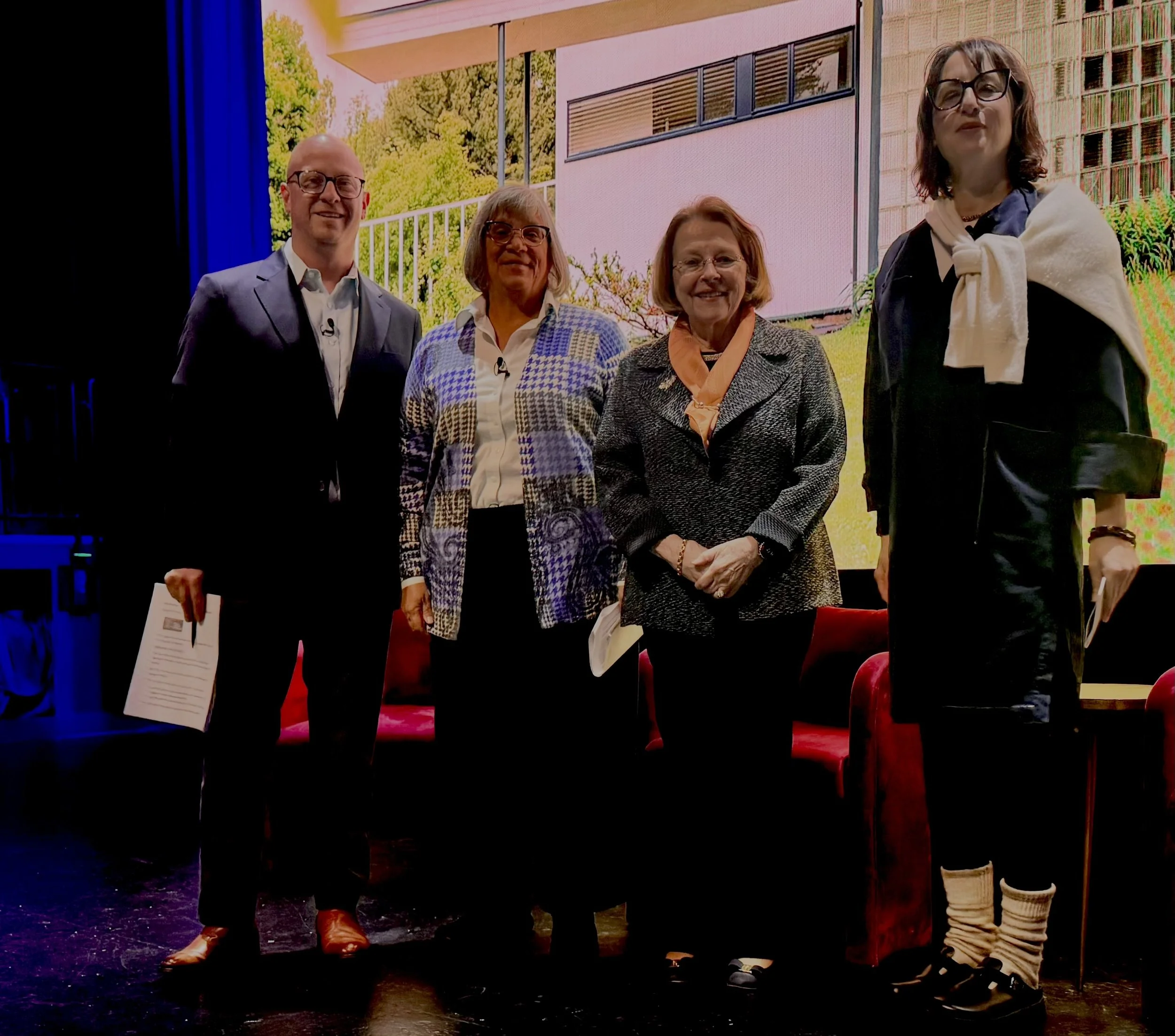
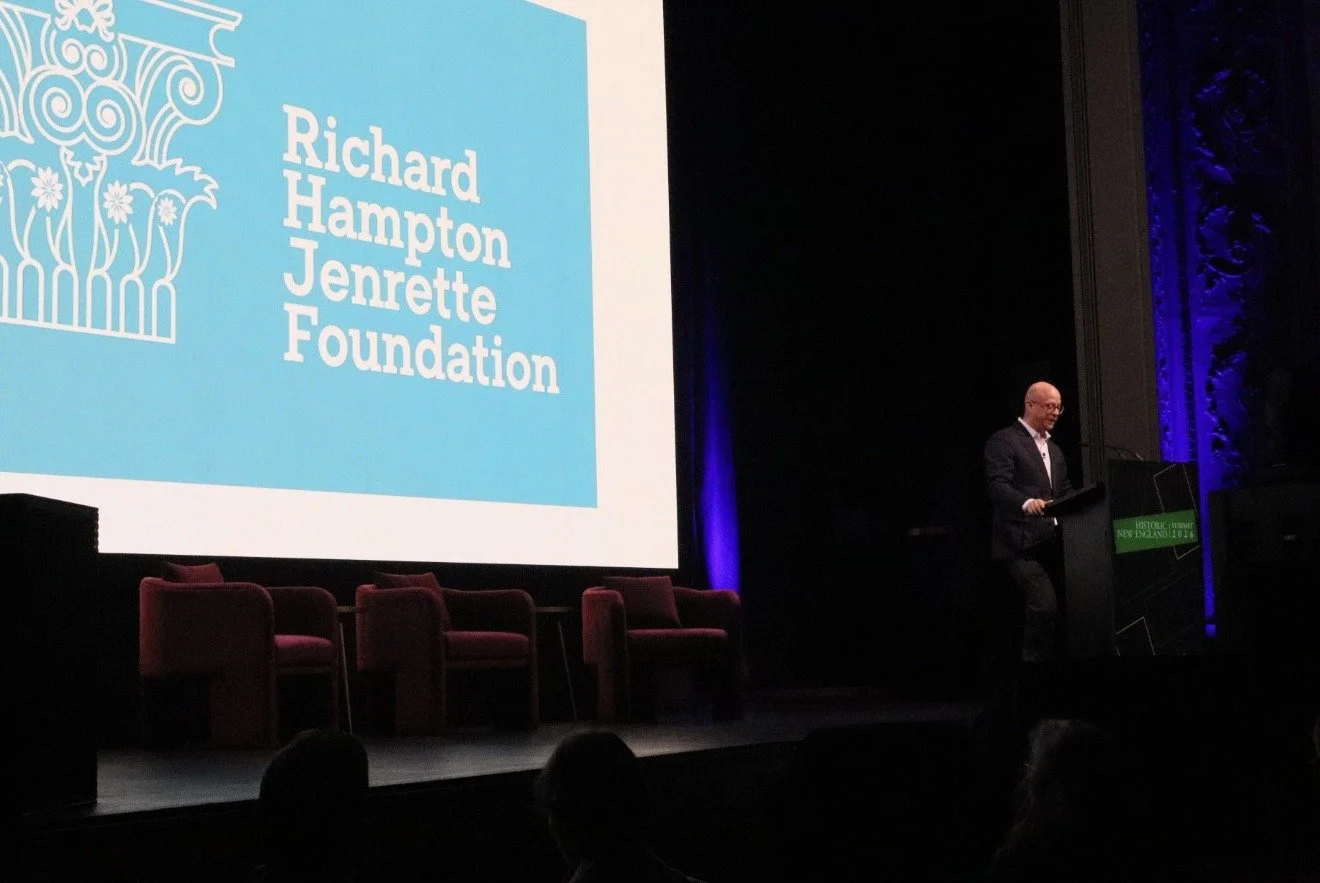
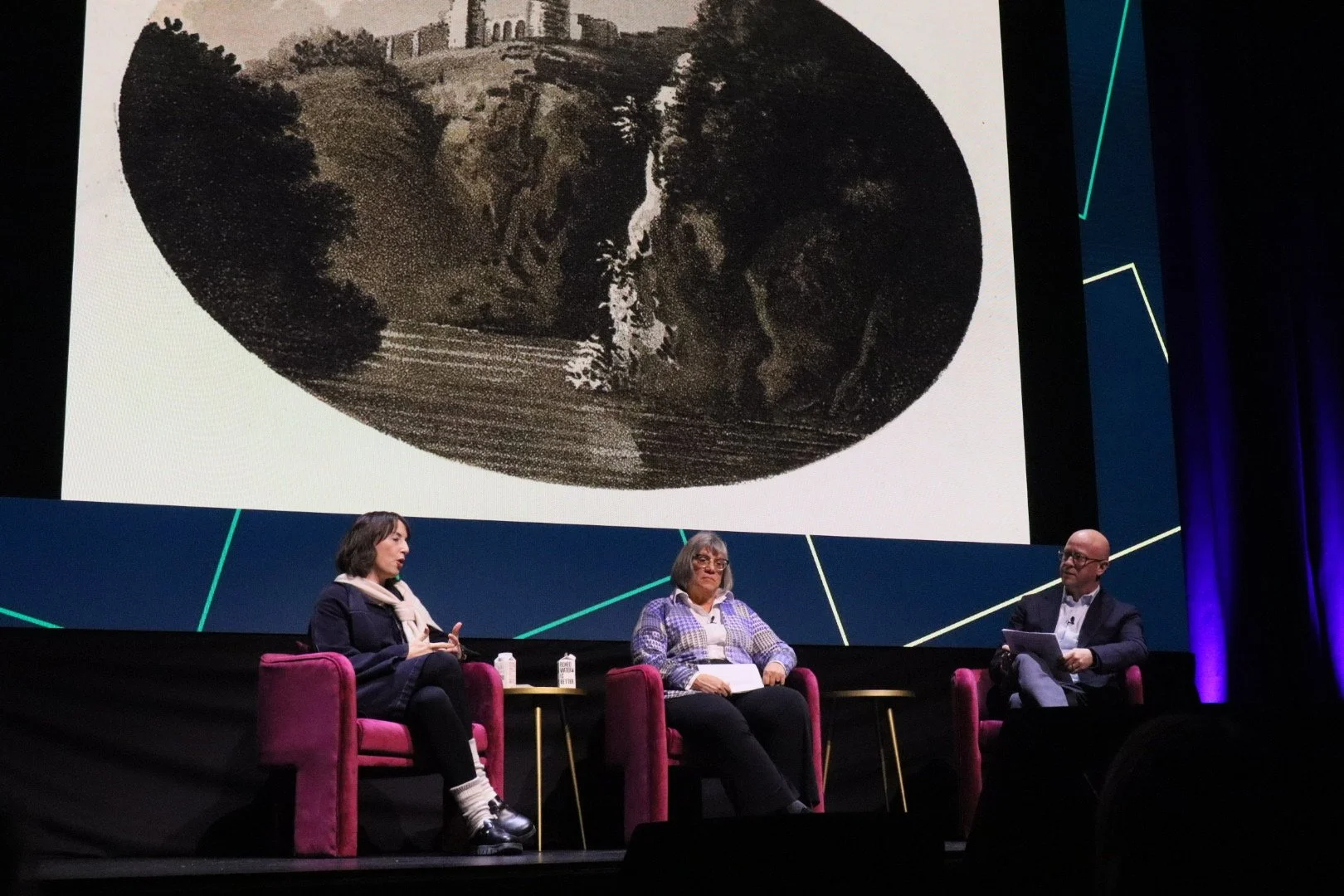
These questions animated a discussion hosted by the Richard Hampton Jenrette Foundation at the fifth annual Historic New England Summit, where President Benjamin Prosky joined members of its Historic and Cultural Landscapes Advisory Committee Rosetta S. Elkin and Cari Goetcheus to debut The State of American Cultural and Historic Landscapes, the Foundation’s latest report examining the challenges and opportunities facing landscape stewardship.
The conversation reflected the report’s central premise: preserving landscapes requires more than maintaining a place in a single historical condition. It requires understanding significance, documenting change, and developing approaches to stewardship that account for both tangible resources and the memories, practices, and relationships that give places meaning.
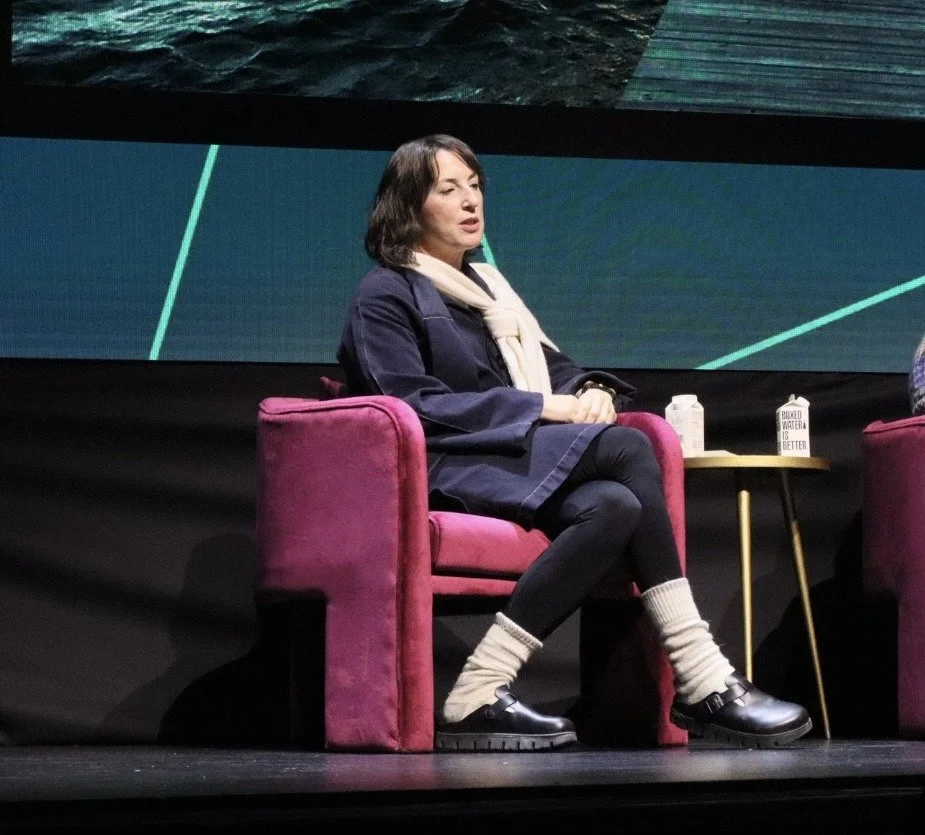
“It can be challenging for preservation-minded people to think about change,” Prosky observed, “especially if it means resetting our expectations about what it means for a place to thrive in today’s world.”
For Elkin, whose practice and teaching inform one another, that challenge begins with the land itself. Before architecture or design enters the picture, she argued, practitioners must understand geology, soils, existing vegetation, and environmental conditions. Every project, she explained, should begin with an inventory and a commitment to testing assumptions against what is actually there. Elkin, Professor in the Graduate Architecture, Landscape Architecture, and Urban Design at Pratt Institute whose work explores the relationships between people and plants, brought a compelling interdisciplinary perspective.
Landscapes also demand a different understanding of time. Drawing on the example of the Arnold Arboretum in Boston, Elkin described how Frederick Law Olmsted’s visionary thousand-year lease created a framework for public benefit across generations. “When you work in plant time, you work differently. When you work at the age of plants, you think differently.”

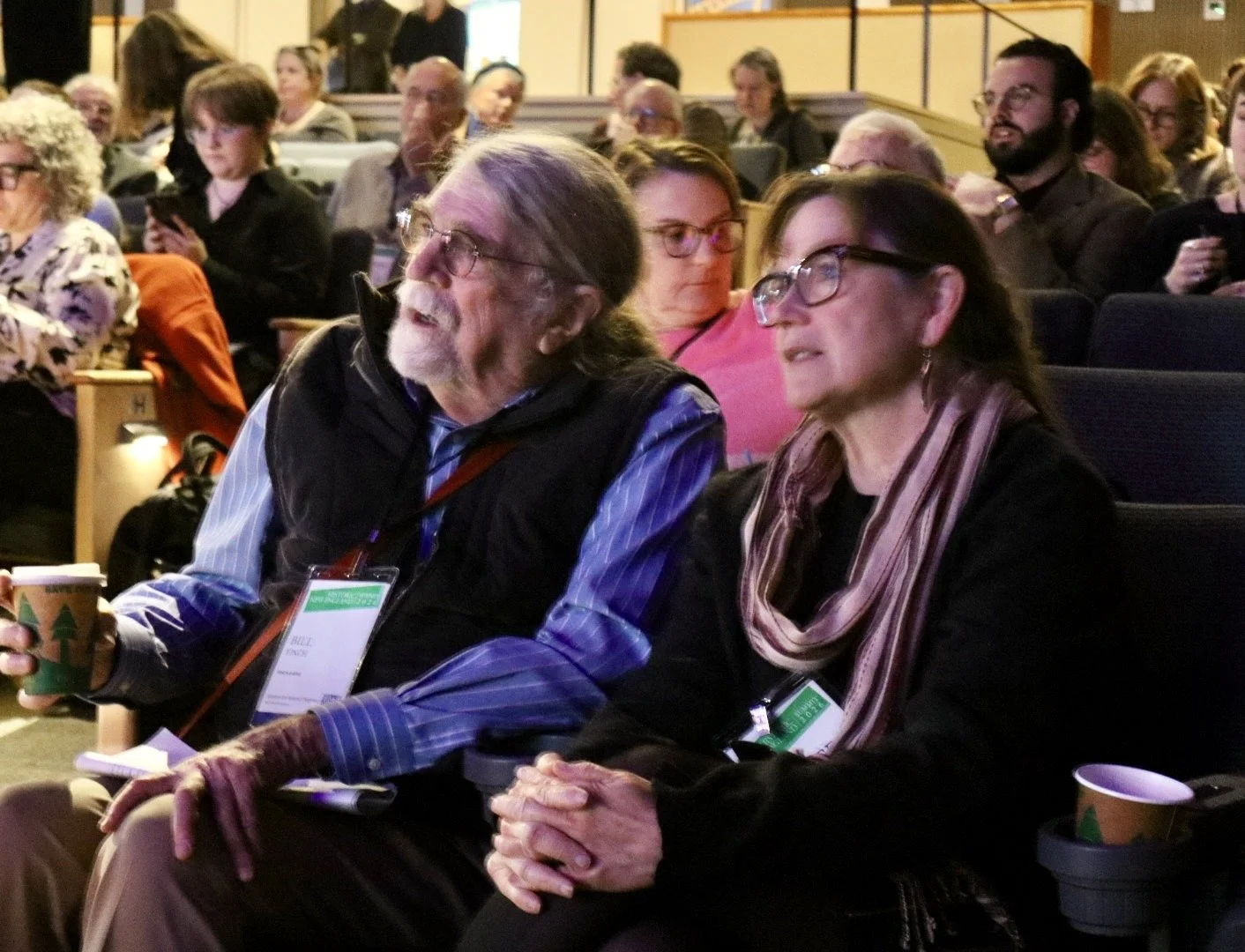
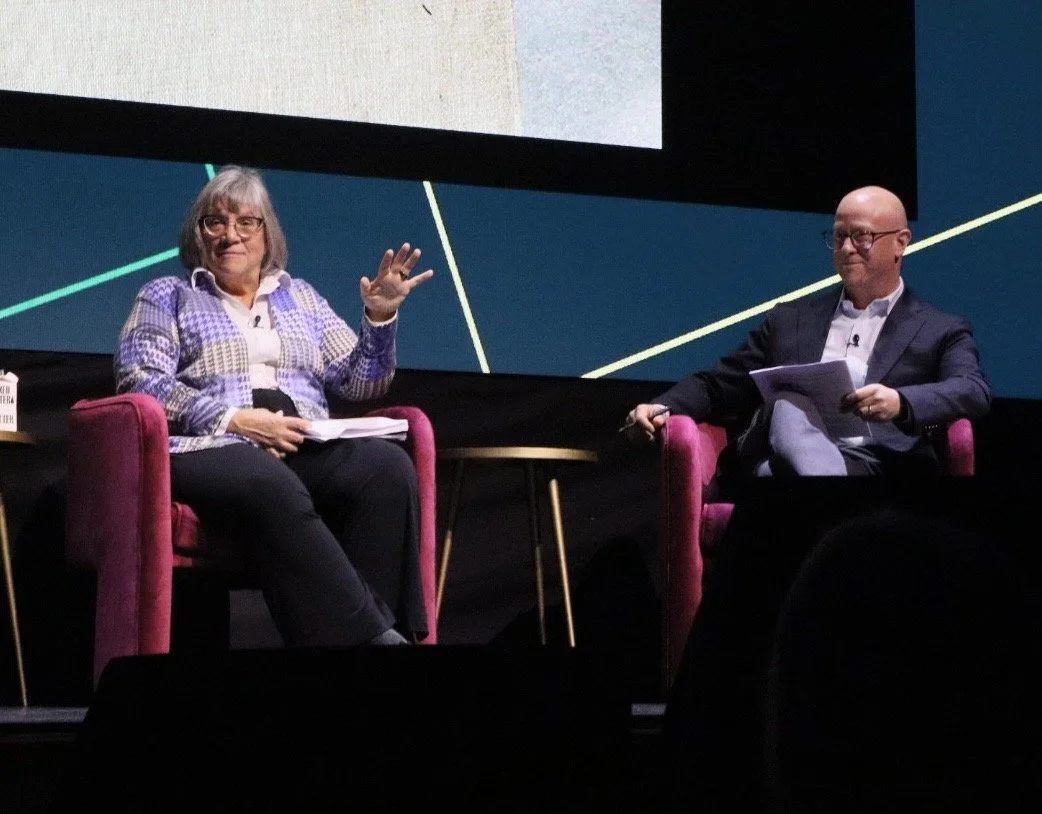
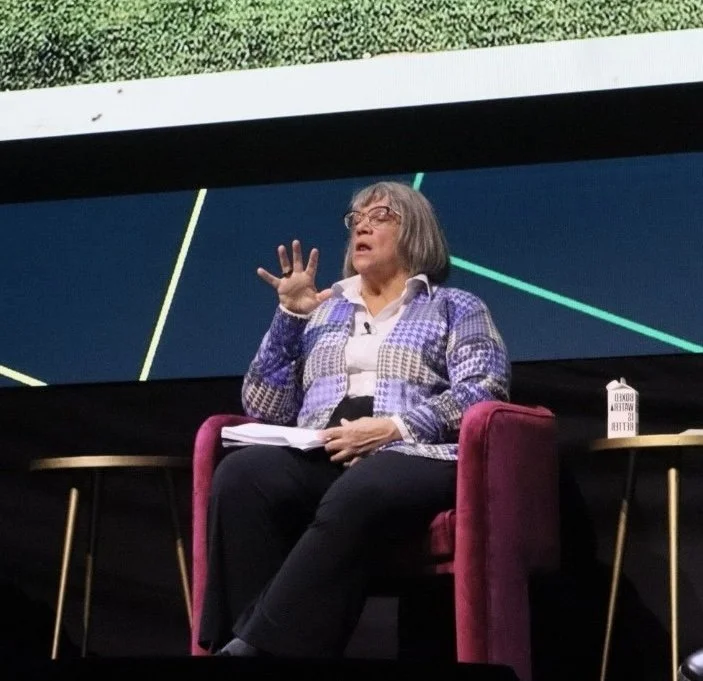
Goetcheus, Professor in the College of Environment and Design at the University of Georgia, underscored the importance of interdisciplinary research and documentation, particularly as environmental conditions and institutional resources change. “You can’t save everything. But you can capture everything,” she said, emphasizing the urgency of recording landscape knowledge before it disappears or becomes inaccessible. Her work with the National Park Service and in heritage conservation connected landscape scholarship with the practical realities of stewardship. Documentation, she said, is only part of the challenge. Landscape stewardship also requires engaging the communities whose histories and experiences shape a place. Goetcheus highlighted the importance of intangible heritage, including collective memory and oral histories, alongside physical evidence. She also challenged conventional assumptions about authenticity, asking whether maintaining a historic landscape sometimes means accepting ecological change rather than continually recreating an earlier appearance.
These questions resonate deeply with Historic New England’s work. The Summit brings together practitioners and institutions confronting the evolving relationship between preservation, climate resilience, public engagement, and community life. For the Jenrette Foundation, the partnership offered an opportunity to introduce its report within a broader conversation about how heritage organizations can remain relevant, responsive, and resilient.
The report builds on the Foundation’s ongoing State of… series, which examines the fields central to its mission and identifies opportunities for education, innovation, and stewardship. In bringing together practitioners and scholars, the Summit discussion demonstrated the value of that work: advancing preservation not simply as an effort to retain the past, but as a commitment to understanding its significance and carrying it forward.
The State of American Cultural and Historic Landscapes is available at jenrette.org/reports.