
Drawing as Inquiry Comes into Focus in “Viollet-le-Duc: Drawing Worlds”
Author: William Richards, Ph.D.
On April 23, the Institute of Classical Architecture and Art, with support from the Richard Hampton Jenrette Foundation, hosted a special evening program for “Viollet-le-Duc: Drawing Worlds,” at the Bard Graduate Center, bringing into focus one of the most influential figures in architectural history—and the enduring relevance of how we study and interpret the past.
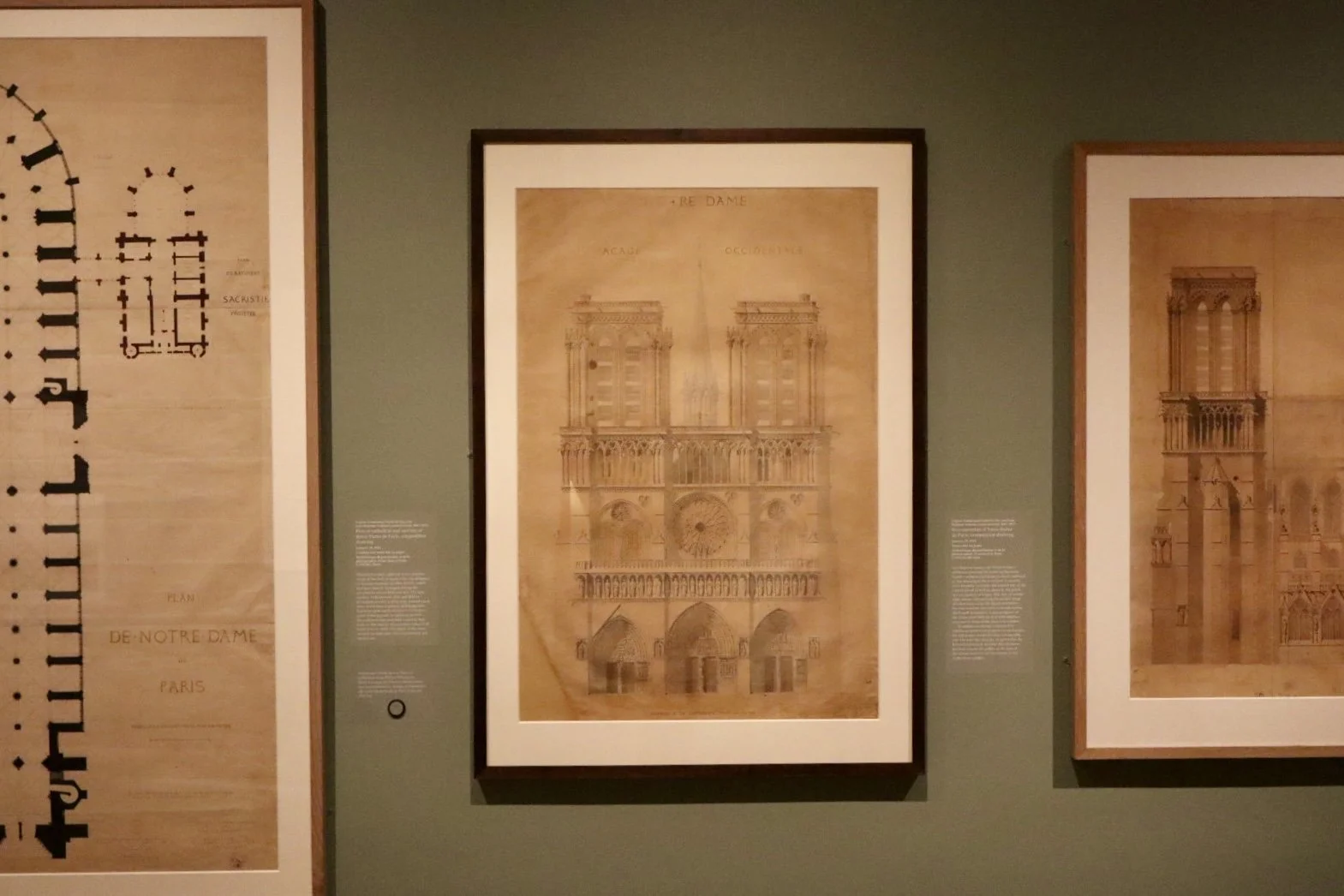
Centered on the work of Eugène-Emmanuel Viollet-le-Duc, the evening explored the architect’s extraordinary use of drawing as both a technical and intellectual tool. Best known for his restorations of medieval landmarks such as Notre-Dame, Viollet-le-Duc approached drawing not merely as documentation, but as a mode of inquiry—one that allowed him to reconstruct, reinterpret, and at times reimagine historical structures and the societies that produced them. His drawings traversed scales and disciplines, from precise architectural renderings to speculative visions of landscapes and geology, reflecting a 19th-century mindset in which art, science, and history were deeply intertwined.
“Viollet-le-Duc was a singular figure whose commitment to restoration and formidable imagination is foundational to how we think about historic spaces, memory, and the future of stewardship,” says Jenrette Foundation President Benjamin Prosky. “He harnessed 19th century technologies to safeguard buildings like Notre Dame de Paris” he says, “and we look to him even today during that iconic cathedral’s resurrection. In doing so, we honor his work and the work of so many others who labor to restore and protect our heritage. The work is never done.”
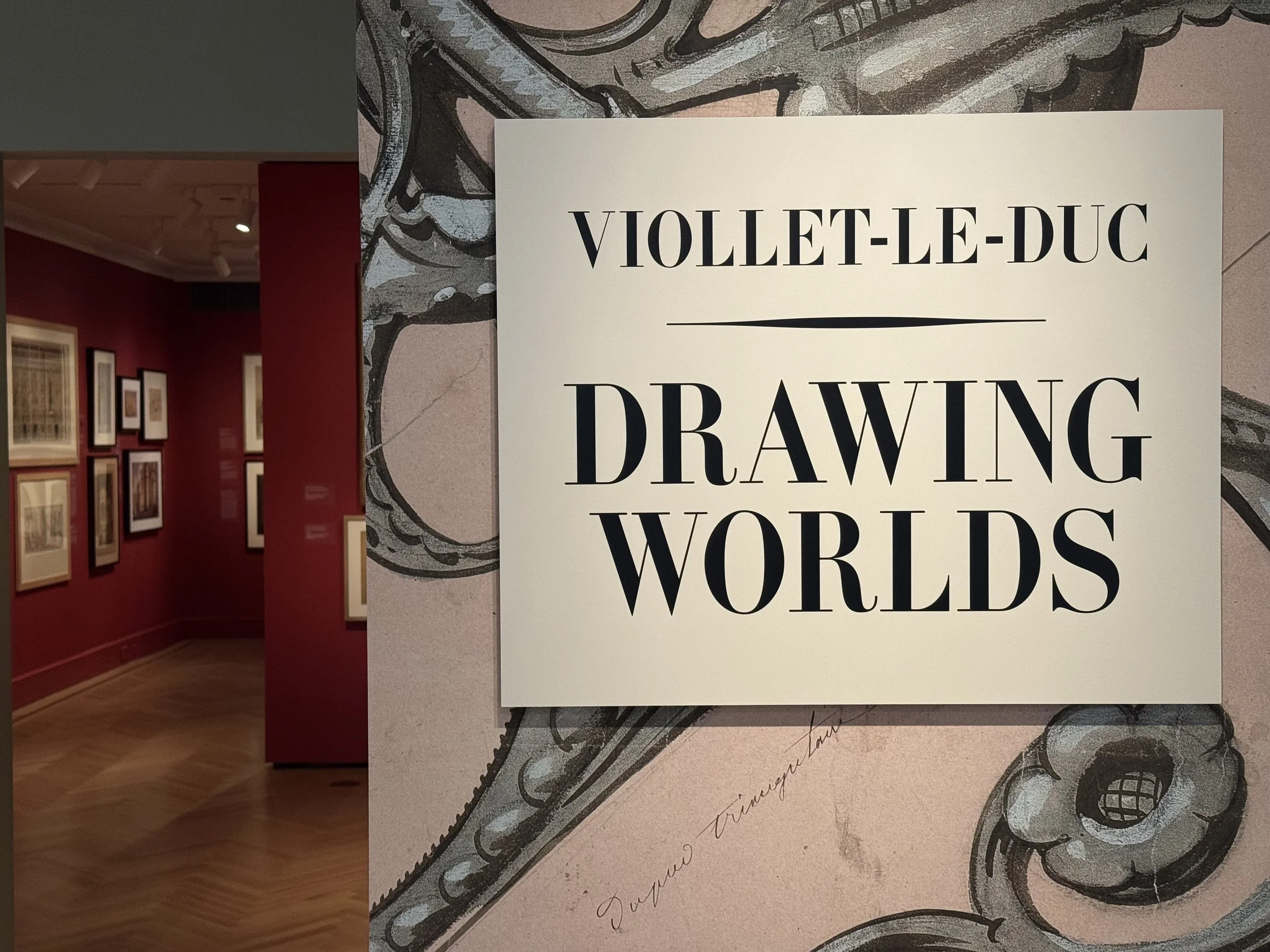
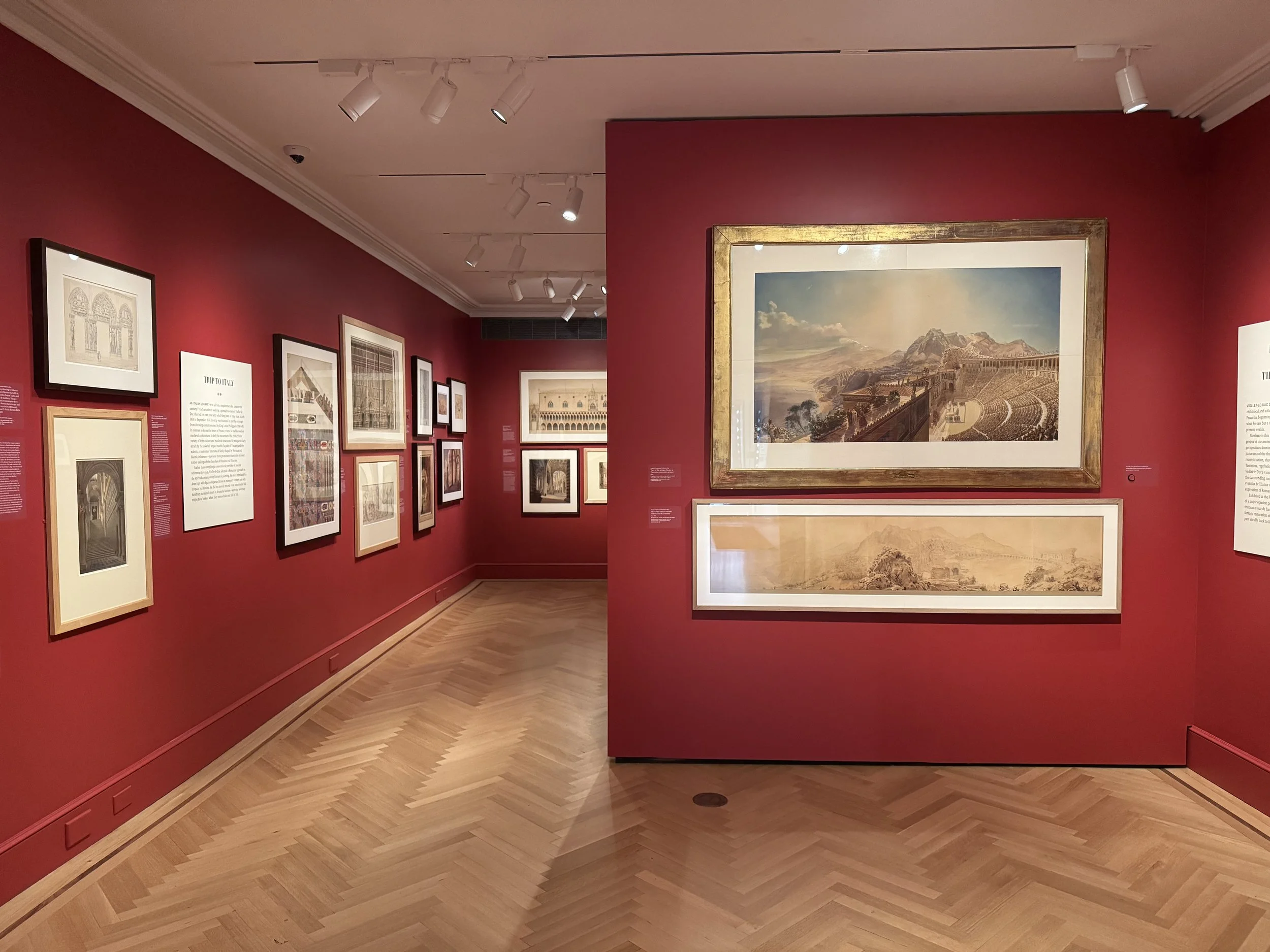
Viollet-le-Duc Drawing Worlds is the first major U.S. exhibition devoted to Eugène-Emmanuel Viollet-le-Duc (1814–1879), the visionary architect, designer, and theorist who redefined the Gothic past for a modern age. Bringing together nearly 200 drawings and objects—many never before seen in the United States—the exhibition reveals how his meticulous draftsmanship was both a creative process and a tool for reimagining history.
The exhibition runs through May 24, 2026 at Bard Graduate Center, 18 West 86th Street, New York, NY
The evening’s gallery talks were led by Martin Bressani and Barry Bergdoll, two of the foremost scholars on Viollet-le-Duc and 19th century European architecture and its lasting influence. Bressani, William Macdonald Professor at McGill University, is widely recognized for his research into the intellectual and imaginative dimensions of architecture, particularly in the 19th century. Bergdoll, the Meyer Schapiro Professor of Art History at Columbia University, has long shaped contemporary understanding of architectural history through both scholarship and curatorial work. Together, they co-curated the “Drawing Worlds” exhibition and co-edited its accompanying publication, offering a comprehensive examination of how drawing functioned within Viollet-le-Duc’s practice and thought.
Their collaboration underscored a central theme of the evening: that drawing was foundational to Viollet-le-Duc’s career, shaping everything from his restoration strategies to his public reputation. Rather than following the conventional academic path of the École des Beaux-Arts, he developed a distinct philosophy of drawing—one that emphasized observation, analysis, and imagination as interconnected processes. Through travel sketches, restoration studies, and theoretical illustrations, he used drawing to engage with architecture across time, positioning it as both a historical record and a living, evolving discipline.
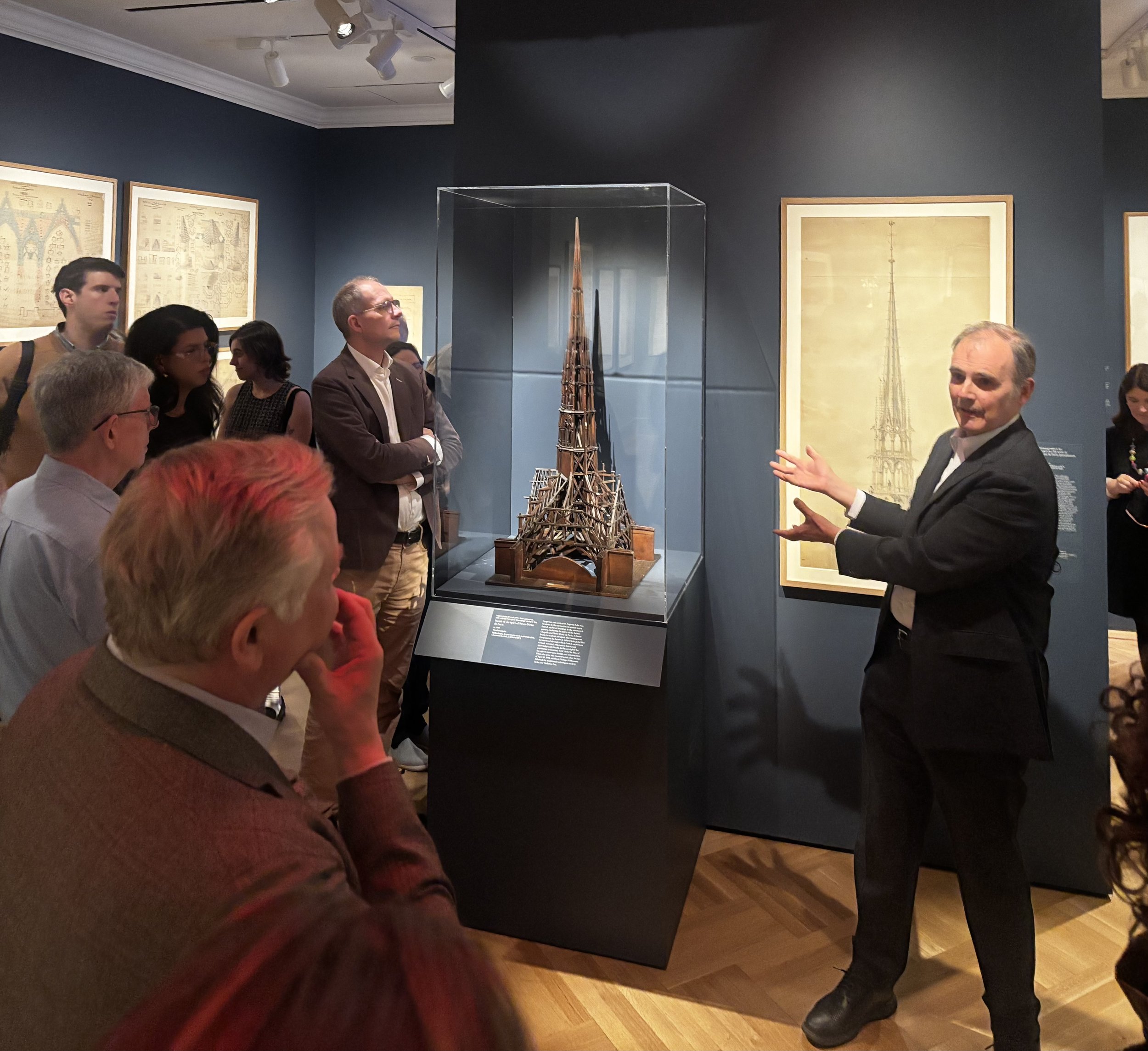
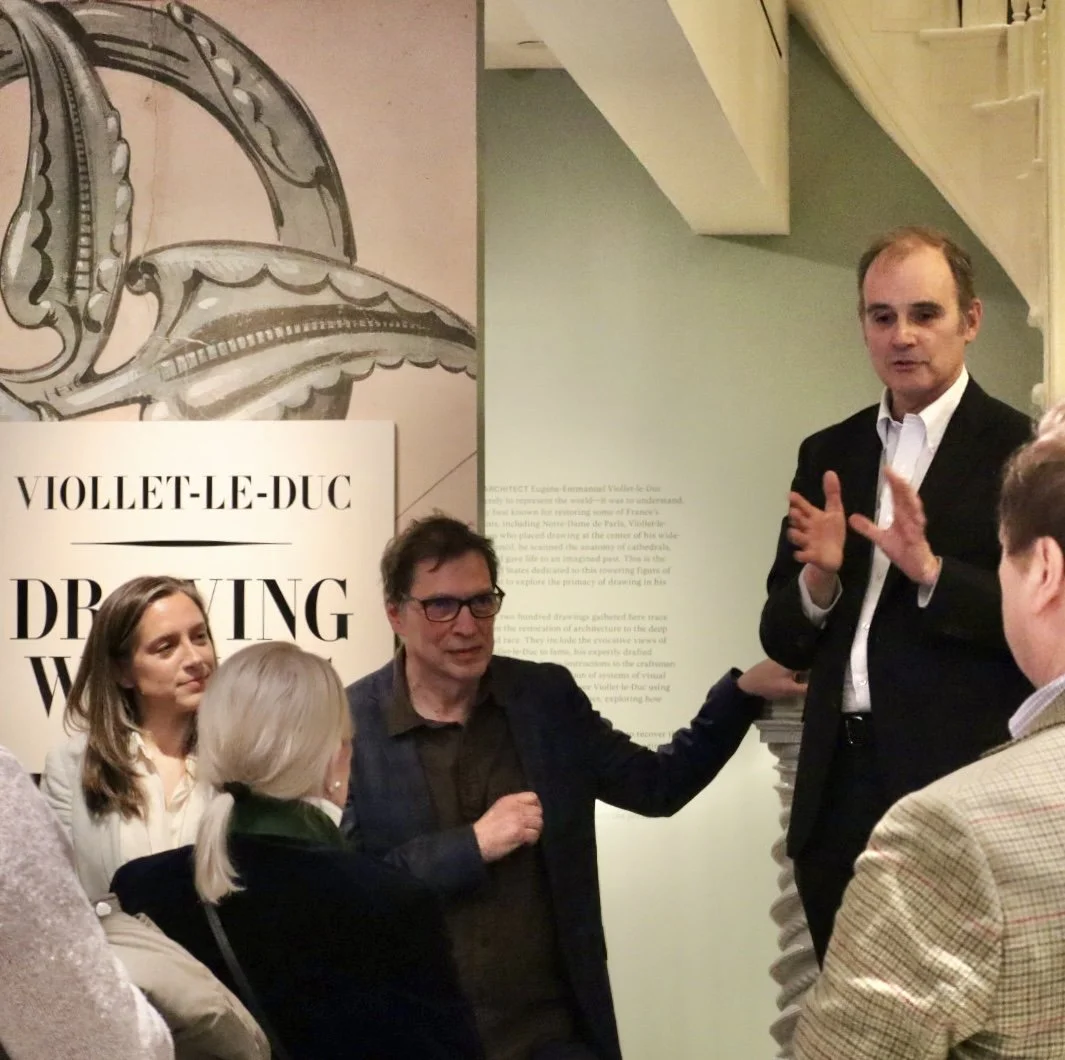
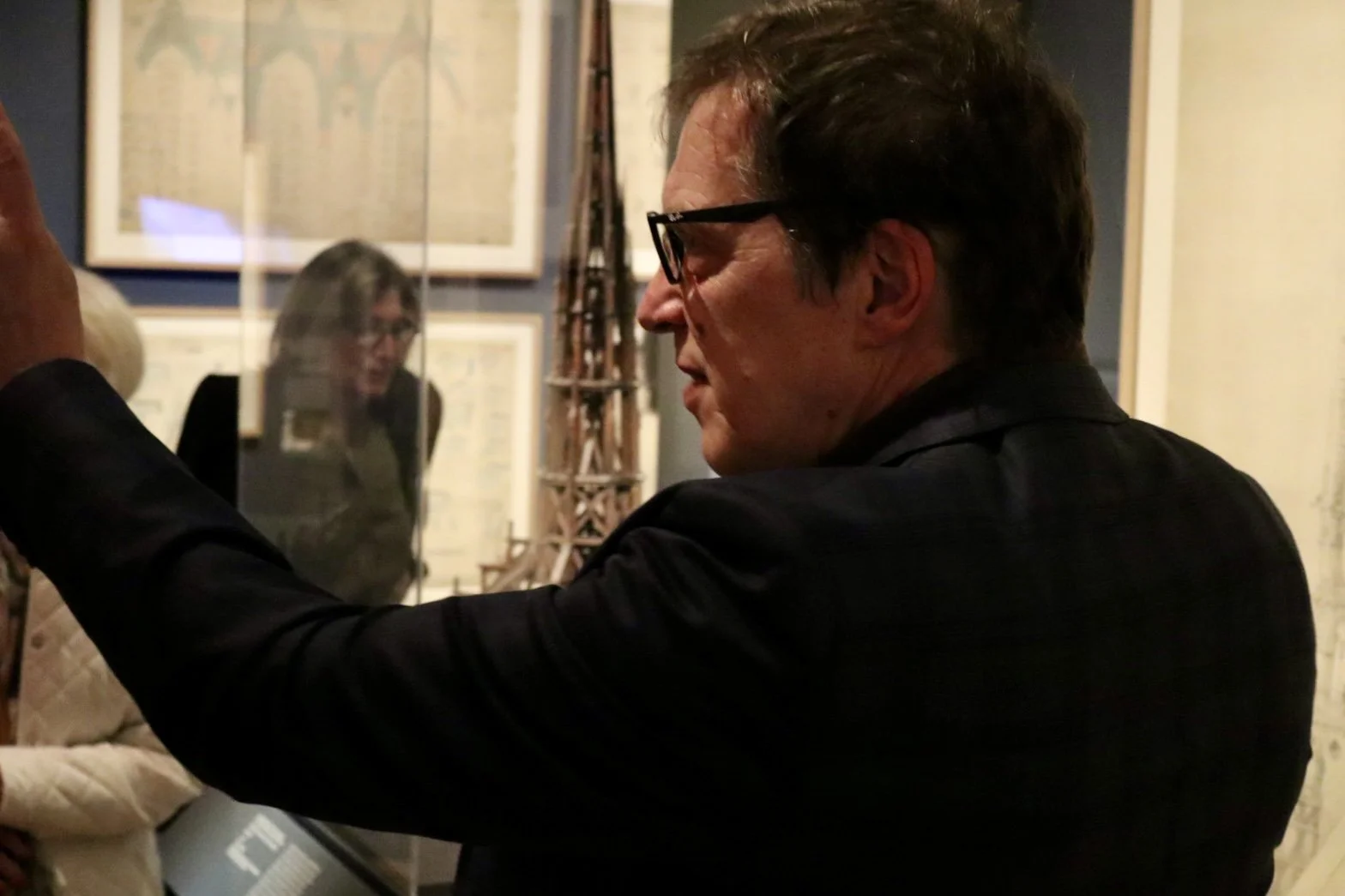
The program formed part of the Richard H. Jenrette Preservation Series, a partnership between the Jenrette Foundation and the ICAA that reflects a shared commitment to advancing public understanding of classical architecture, historic preservation, and the cultural value of the built environment. By supporting lectures such as this, the Foundation has helped create space for rigorous scholarship to reach broader audiences—bridging academic research, professional practice, and public engagement.
That mission proved particularly resonant in the context of Viollet-le-Duc’s legacy. His work continues to shape contemporary debates around restoration, authenticity, and interpretation—questions that remain central to preservation practice today. The act of restoring a historic structure is never neutral; it requires choices about what to emphasize, what to reconstruct, and how to represent the past for present and future audiences. Viollet-le-Duc’s willingness to interpret as well as preserve—sometimes controversially—offered a lens through which to examine these ongoing challenges.
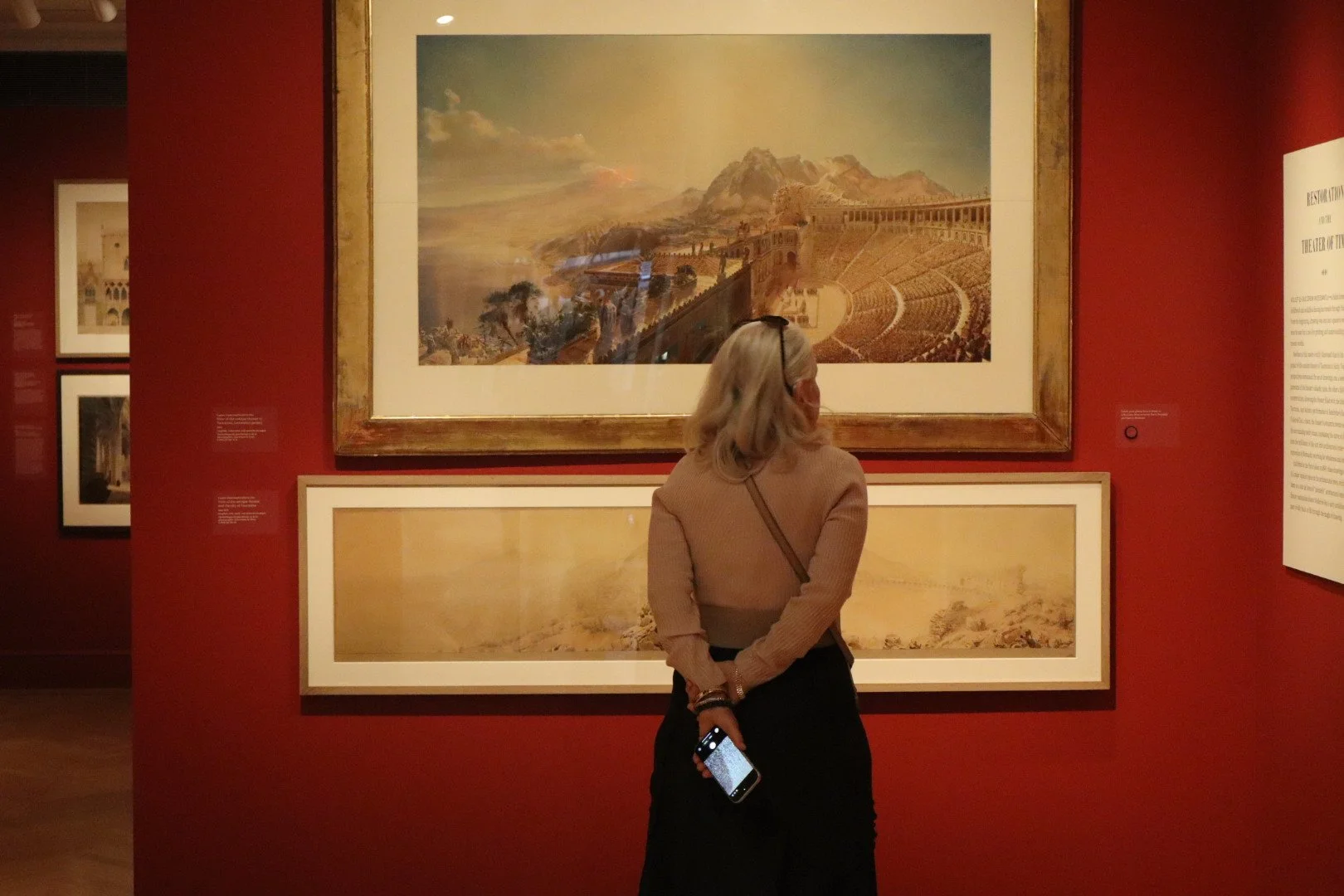
Programs like “Drawing Worlds” demonstrated the value of convening leading scholars to revisit foundational figures with fresh perspectives. They also highlighted the importance of sustained philanthropic support in ensuring that such conversations continue to inform both the field and the public. In fostering dialogue around architectural history and preservation, the Jenrette Foundation’s support of the ICAA lecture series has helped cultivate a deeper, more nuanced understanding of the built environment—one that recognizes its complexity, its contested narratives, and its enduring significance.
This event marks the fourth installment in the Richard H. Jenrette Preservation Series, a collaboration between ICAA and the Richard Hampton Jenrette Foundation that seeks to catalyze public programming around classical architecture and preservation. The series continues Jenrette’s legacy of promoting the stewardship of architectural heritage, especially the unglamorous and ongoing work required to keep historic houses alive. The evening’s sponsors included RINCK, Dell Mitchell Architects, and Hyde Park Mouldings. Their partnership underscores the realm of architecture, conservation, and craft working in harmony with public institutions.